The Spread Table
Al-Mâ'idah
المَائدہ
Surah Al-Mâ'idah for kids content

LEARNING POINTS
- •
This is one of the last surahs revealed before the death of the Prophet, so all the things that are declared to be halal or haram in this
surah will remain so until Judgment Day.
- •
The surah teaches Muslims to honor their pledges with Allah and with people.
- •
We should be grateful for Allah's favors.
- •
The surah also provides details on what to eat, who to marry, how to make up for a broken oath, as well as hunting during Hajj, purifying oneself
before salah, and making a last will before death.
- •
Those who honor the rules set by Allah are promised a great reward and those who break those rules are warned of a horrible punishment.
- •
Allah made pledges with the Jews and Christians, but they kept breaking those pledges.
- •
Saving one person equals saving all of humanity and killing one person equals killing all of humanity.
- •
There is no better judgment than the one revealed in the Quran.
- •
Again, the hypocrites are criticized for their attitudes and practices.
- •
'Isa (Jesus) never claimed to be God.


WORDS OF WISDOM
- •
This surah starts off by telling the faithful to **honor their word**, including their pledge to:
- •
Worship none but Allah.
- •
Follow His laws.
- •
Watch their oaths when they swear by Allah.
- •
Honor their promises when they marry.
- •
Deliver trusts to their owners.
WORDS OF WISDOM
- •
Before Islam, idol-worshippers made decisions using various methods.
For instance, they would throw a bird into the air: if it flew right, it was a good omen; if it went left, it was a bad sign.
Another method involved seeking guidance from idols by drawing one of three straws: one indicating 'Do it,' another 'Don't do it,' and a blank one meaning 'try again.
' This practice is mentioned in **verse 3**.
- •
The Prophet always found comfort through salah (prayer) and prayed during difficult times, including before battles.
He prayed for rain and when the sun was eclipsed.
The Prophet also taught his companions a special prayer for making decisions, called **istikharah**, which literally means 'seeking guidance to choose what is good.
' Jabir reported that the Prophet taught them to pray 2 optional rak'ahs, then recite this supplication (du'a): 'O Allah!
I seek guidance through Your knowledge, strength through Your might, and I ask for Your great blessings—because You have the power and I don't, You have the knowledge
and I don't, and You alone know all unknowns.
O Allah!
If You know that this (decision) is good for my faith, life in this world, and the Next Life, then make it possible for me.
And if You know that this (decision) is bad for my faith, life in this world, and the Next Life, then keep it away from me and keep
me away from it.
Instead, bless me with something good, wherever it might be, and make me satisfied with it.
' (Imam Al-Bukhari)
- •
A few things to keep in mind when performing istikharah: 1.
It can be performed once or several times, during the day or night.
2.
This du'a can be recited in Arabic before or after salam.
If you cannot say it in Arabic, you can say the translation after salam.
3.
The person does not have to see a dream after performing istikharah.
4.
If someone is unable to perform wudu (ablution) or pray 2 rak'ahs, they can simply recite the above du'a in Arabic or any other language.
- •
This prayer is only for making decisions about something **halal** (permissible).
For example, you can use it for starting a business, marrying someone, or choosing a certain school.
- •
You can't perform istikharah for things you **must do** (like praying 5 times a day, going to Jumu'ah, or fasting in Ramadan).
- •
Similarly, you cannot do it to decide on something **haram** (forbidden), such as robbing a bank or not talking to your parents.
- •
We learn from the Prophet that it's important to do istikharah with Allah and also consult with people by asking those with knowledge and experience for their opinion
or suggestions.
FORBIDDEN ITEMS
1O believers!
Honour your pledges.
All cattle is allowed for you, except what is announced to you below.
You are not allowed to hunt while on hajj.
Surely, Allah commands what He wants.
2O believers!
Do not disrespect Allah's symbols 'of hajj, the holy months, the animal offerings as well as their special decorations, or people on their way to the Holy House
seeking their Lord's blessings and pleasure.
When hajj ends, you can hunt.
Do not let your hate for the people who once prevented you from the Holy Mosque cause you to break the rules.
Cooperate with each other in goodness and faithfulness, and do not cooperate in evil and troublemaking.
And keep Allah in mind.
Surely Allah is severe in punishment.
3You are forbidden to eat dead meat, blood, and pork; what is slaughtered in the name of anyone other than Allah; what is killed by choking, beating, falling,
or by being rammed to death by another animal; what a predator has eaten from, unless you slaughter it; and what is sacrificed for idols.
You are also forbidden to draw lots for decisions.
This is all evil.
Today the disbelievers have given up all hope of 'destroying' your faith.
So do not fear them; fear Me!
Today I have perfected your faith for you, completed My favour upon you, and chosen Islam as your way.
But if someone is forced 'to eat any of the above by extreme hunger—not intending to sin—then surely Allah is Forgiving and Merciful.
يَٰٓأَيُّهَا ٱلَّذِينَ ءَامَنُوٓاْ أَوۡفُواْ بِٱلۡعُقُودِۚ أُحِلَّتۡ لَكُم بَهِيمَةُ ٱلۡأَنۡعَٰمِ إِلَّا مَا يُتۡلَىٰ عَلَيۡكُمۡ غَيۡرَ مُحِلِّي ٱلصَّيۡدِ وَأَنتُمۡ حُرُمٌۗ إِنَّ ٱللَّهَ يَحۡكُمُ مَا يُرِيدُ1
يَٰٓأَيُّهَا ٱلَّذِينَ ءَامَنُواْ لَا تُحِلُّواْ شَعَٰٓئِرَ ٱللَّهِ وَلَا ٱلشَّهۡرَ ٱلۡحَرَامَ وَلَا ٱلۡهَدۡيَ وَلَا ٱلۡقَلَٰٓئِدَ وَلَآ ءَآمِّينَ ٱلۡبَيۡتَ ٱلۡحَرَامَ يَبۡتَغُونَ فَضۡلٗا مِّن رَّبِّهِمۡ وَرِضۡوَٰنٗاۚ وَإِذَا حَلَلۡتُمۡ فَٱصۡطَادُواْۚ وَلَا يَجۡرِمَنَّكُمۡ شَنََٔانُ قَوۡمٍ أَن صَدُّوكُمۡ عَنِ ٱلۡمَسۡجِدِ ٱلۡحَرَامِ أَن تَعۡتَدُواْۘ وَتَعَاوَنُواْ عَلَى ٱلۡبِرِّ وَٱلتَّقۡوَىٰۖ وَلَا تَعَاوَنُواْ عَلَى ٱلۡإِثۡمِ وَٱلۡعُدۡوَٰنِۚ وَٱتَّقُواْ ٱللَّهَۖ إِنَّ ٱللَّهَ شَدِيدُ ٱلۡعِقَابِ2
حُرِّمَتۡ عَلَيۡكُمُ ٱلۡمَيۡتَةُ وَٱلدَّمُ وَلَحۡمُ ٱلۡخِنزِيرِ وَمَآ أُهِلَّ لِغَيۡرِ ٱللَّهِ بِهِۦ وَٱلۡمُنۡخَنِقَةُ وَٱلۡمَوۡقُوذَةُ وَٱلۡمُتَرَدِّيَةُ وَٱلنَّطِيحَةُ وَمَآ أَكَلَ ٱلسَّبُعُ إِلَّا مَا ذَكَّيۡتُمۡ وَمَا ذُبِحَ عَلَى ٱلنُّصُبِ وَأَن تَسۡتَقۡسِمُواْ بِٱلۡأَزۡلَٰمِۚ ذَٰلِكُمۡ فِسۡقٌۗ ٱلۡيَوۡمَ يَئِسَ ٱلَّذِينَ كَفَرُواْ مِن دِينِكُمۡ فَلَا تَخۡشَوۡهُمۡ وَٱخۡشَوۡنِۚ ٱلۡيَوۡمَ أَكۡمَلۡتُ لَكُمۡ دِينَكُمۡ وَأَتۡمَمۡتُ عَلَيۡكُمۡ نِعۡمَتِي وَرَضِيتُ لَكُمُ ٱلۡإِسۡلَٰمَ دِينٗاۚ فَمَنِ ٱضۡطُرَّ فِي مَخۡمَصَةٍ غَيۡرَ مُتَجَانِفٖ لِّإِثۡمٖ فَإِنَّ ٱللَّهَ غَفُورٞ رَّحِيمٞ3
WHAT TO EAT & WHO TO MARRY
4They ask you, 'O Prophet,' what is allowed for them to eat'.
Say, "What is good and pure, and what is caught by your hunting animals and birds, which you have trained as instructed by Allah.
So eat what they catch for you, but mention the Name of Allah when you send the hunting animal" And keep Allah in mind.
Surely Allah is quick in judgment.
5Today all good and pure foods have been allowed for you.
Also, the food of the People of the Book is allowed for you and your food is allowed for them.
And 'you are allowed to marry' decent believing women as well as decent women of those given the Book before you, as long as you pay them their
gifts in legal marriage, not in illegal or secret relationships.
And whoever rejects faith, all their good deeds will be worthless, and in the Next Life they will be among the losers.
يَسَۡٔلُونَكَ مَاذَآ أُحِلَّ لَهُمۡۖ قُلۡ أُحِلَّ لَكُمُ ٱلطَّيِّبَٰتُ وَمَا عَلَّمۡتُم مِّنَ ٱلۡجَوَارِحِ مُكَلِّبِينَ تُعَلِّمُونَهُنَّ مِمَّا عَلَّمَكُمُ ٱللَّهُۖ فَكُلُواْ مِمَّآ أَمۡسَكۡنَ عَلَيۡكُمۡ وَٱذۡكُرُواْ ٱسۡمَ ٱللَّهِ عَلَيۡهِۖ وَٱتَّقُواْ ٱللَّهَۚ إِنَّ ٱللَّهَ سَرِيعُ ٱلۡحِسَابِ4
ٱلۡيَوۡمَ أُحِلَّ لَكُمُ ٱلطَّيِّبَٰتُۖ وَطَعَامُ ٱلَّذِينَ أُوتُواْ ٱلۡكِتَٰبَ حِلّٞ لَّكُمۡ وَطَعَامُكُمۡ حِلّٞ لَّهُمۡۖ وَٱلۡمُحۡصَنَٰتُ مِنَ ٱلۡمُؤۡمِنَٰتِ وَٱلۡمُحۡصَنَٰتُ مِنَ ٱلَّذِينَ أُوتُواْ ٱلۡكِتَٰبَ مِن قَبۡلِكُمۡ إِذَآ ءَاتَيۡتُمُوهُنَّ أُجُورَهُنَّ مُحۡصِنِينَ غَيۡرَ مُسَٰفِحِينَ وَلَا مُتَّخِذِيٓ أَخۡدَانٖۗ وَمَن يَكۡفُرۡ بِٱلۡإِيمَٰنِ فَقَدۡ حَبِطَ عَمَلُهُۥ وَهُوَ فِي ٱلۡأٓخِرَةِ مِنَ ٱلۡخَٰسِرِينَ5
PURIFICATION BEFORE SALAH
6O believers!
When you get ready for salah, wash your faces and your hands up to the elbows, wipe your heads, and wash your feet to the ankles.
And if you are 'physically' impure, then take a full bath.
But if you are ill, on a journey, or have used the washroom, or touched your wives and cannot find water, then purify yourselves with clean earth by
wiping your faces and hands.
' Allah does not want to make things difficult for you, but to purify you and complete His favour upon you, so perhaps you will be grateful.
يَٰٓأَيُّهَا ٱلَّذِينَ ءَامَنُوٓاْ إِذَا قُمۡتُمۡ إِلَى ٱلصَّلَوٰةِ فَٱغۡسِلُواْ وُجُوهَكُمۡ وَأَيۡدِيَكُمۡ إِلَى ٱلۡمَرَافِقِ وَٱمۡسَحُواْ بِرُءُوسِكُمۡ وَأَرۡجُلَكُمۡ إِلَى ٱلۡكَعۡبَيۡنِۚ وَإِن كُنتُمۡ جُنُبٗا فَٱطَّهَّرُواْۚ وَإِن كُنتُم مَّرۡضَىٰٓ أَوۡ عَلَىٰ سَفَرٍ أَوۡ جَآءَ أَحَدٞ مِّنكُم مِّنَ ٱلۡغَآئِطِ أَوۡ لَٰمَسۡتُمُ ٱلنِّسَآءَ فَلَمۡ تَجِدُواْ مَآءٗ فَتَيَمَّمُواْ صَعِيدٗا طَيِّبٗا فَٱمۡسَحُواْ بِوُجُوهِكُمۡ وَأَيۡدِيكُم مِّنۡهُۚ مَا يُرِيدُ ٱللَّهُ لِيَجۡعَلَ عَلَيۡكُم مِّنۡ حَرَجٖ وَلَٰكِن يُرِيدُ لِيُطَهِّرَكُمۡ وَلِيُتِمَّ نِعۡمَتَهُۥ عَلَيۡكُمۡ لَعَلَّكُمۡ تَشۡكُرُونَ6
ALLAH'S FAVOURS UPON THE BELIEVERS
7Remember Allah's favour upon you and the pledge He made with you when you said, "We hear and obey.
" And keep Allah in mind.
Surely Allah knows best whatever secrets are hidden' in the hearts.
8O believers!
Stand up for Allah, as true witnesses for justice.
Do not let the hatred of a people lead you to injustice.
Be just!
That is closer to faithfulness.
And keep Allah in mind.
Surely Allah is fully Aware of what you do.
9Allah has promised those who believe and do good that they will have forgiveness and a great reward.
10As for those who disbelieve and reject Our signs, they are the people of Hell.
11O believers!
Remember Allah's favour upon you: when some people had planned to harm you, He held their hands back from you.
Keep Allah in mind.
And in Allah let the believers put their trust.
وَٱذۡكُرُواْ نِعۡمَةَ ٱللَّهِ عَلَيۡكُمۡ وَمِيثَٰقَهُ ٱلَّذِي وَاثَقَكُم بِهِۦٓ إِذۡ قُلۡتُمۡ سَمِعۡنَا وَأَطَعۡنَاۖ وَٱتَّقُواْ ٱللَّهَۚ إِنَّ ٱللَّهَ عَلِيمُۢ بِذَاتِ ٱلصُّدُورِ7
يَٰٓأَيُّهَا ٱلَّذِينَ ءَامَنُواْ كُونُواْ قَوَّٰمِينَ لِلَّهِ شُهَدَآءَ بِٱلۡقِسۡطِۖ وَلَا يَجۡرِمَنَّكُمۡ شَنََٔانُ قَوۡمٍ عَلَىٰٓ أَلَّا تَعۡدِلُواْۚ ٱعۡدِلُواْ هُوَ أَقۡرَبُ لِلتَّقۡوَىٰۖ وَٱتَّقُواْ ٱللَّهَۚ إِنَّ ٱللَّهَ خَبِيرُۢ بِمَا تَعۡمَلُونَ8
وَعَدَ ٱللَّهُ ٱلَّذِينَ ءَامَنُواْ وَعَمِلُواْ ٱلصَّٰلِحَٰتِ لَهُم مَّغۡفِرَةٞ وَأَجۡرٌ عَظِيمٞ9
وَٱلَّذِينَ كَفَرُواْ وَكَذَّبُواْ بَِٔايَٰتِنَآ أُوْلَٰٓئِكَ أَصۡحَٰبُ ٱلۡجَحِيمِ10
يَٰٓأَيُّهَا ٱلَّذِينَ ءَامَنُواْ ٱذۡكُرُواْ نِعۡمَتَ ٱللَّهِ عَلَيۡكُمۡ إِذۡ هَمَّ قَوۡمٌ أَن يَبۡسُطُوٓاْ إِلَيۡكُمۡ أَيۡدِيَهُمۡ فَكَفَّ أَيۡدِيَهُمۡ عَنكُمۡۖ وَٱتَّقُواْ ٱللَّهَۚ وَعَلَى ٱللَّهِ فَلۡيَتَوَكَّلِ ٱلۡمُؤۡمِنُونَ11
THOSE WHO BROKE ALLAH'S PLEDGE
12Allah made a pledge with the Children of Isra'il and appointed twelve leaders from among them and then' said, "I am truly with you.
If you pray salah, pay Zakah, believe in My messengers, support them, and give Allah a good loan, I will certainly forgive your sins and enter you into
Gardens under which rivers flow.
And whoever among you disbelieves after this has truly strayed from the Right Way.
13But for breaking their pledge, We doomed them and made their hearts hard.
They twisted the words of the Book and neglected parts of what they had been commanded to follow.
You 'O Prophet' will always find them to be dishonest, except for a few.
But excuse them and bear with them.
Indeed, Allah loves those doing good.
14We also took a pledge from those who call themselves Christians, but they neglected parts of what they had been commanded to follow.
So We put hatred and enmity between them until Judgment Day.
And soon Allah will make them realize what they did.
15O People of the Book!
Now Our Messenger has come to you, revealing many of the things you have hidden from the Book and overlooking many other things.
A 'brilliant' light has definitely come to you from Allah, along with a clear Book,
16through which Allah guides those who seek His pleasure to the ways of peace, brings them out of darkness and into light by His permission, and guides them
to the Straight Path.
وَلَقَدۡ أَخَذَ ٱللَّهُ مِيثَٰقَ بَنِيٓ إِسۡرَٰٓءِيلَ وَبَعَثۡنَا مِنۡهُمُ ٱثۡنَيۡ عَشَرَ نَقِيبٗاۖ وَقَالَ ٱللَّهُ إِنِّي مَعَكُمۡۖ لَئِنۡ أَقَمۡتُمُ ٱلصَّلَوٰةَ وَءَاتَيۡتُمُ ٱلزَّكَوٰةَ وَءَامَنتُم بِرُسُلِي وَعَزَّرۡتُمُوهُمۡ وَأَقۡرَضۡتُمُ ٱللَّهَ قَرۡضًا حَسَنٗا لَّأُكَفِّرَنَّ عَنكُمۡ سَئَِّاتِكُمۡ وَلَأُدۡخِلَنَّكُمۡ جَنَّٰتٖ تَجۡرِي مِن تَحۡتِهَا ٱلۡأَنۡهَٰرُۚ فَمَن كَفَرَ بَعۡدَ ذَٰلِكَ مِنكُمۡ فَقَدۡ ضَلَّ سَوَآءَ ٱلسَّبِيلِ12
فَبِمَا نَقۡضِهِم مِّيثَٰقَهُمۡ لَعَنَّٰهُمۡ وَجَعَلۡنَا قُلُوبَهُمۡ قَٰسِيَةٗۖ يُحَرِّفُونَ ٱلۡكَلِمَ عَن مَّوَاضِعِهِۦ وَنَسُواْ حَظّٗا مِّمَّا ذُكِّرُواْ بِهِۦۚ وَلَا تَزَالُ تَطَّلِعُ عَلَىٰ خَآئِنَةٖ مِّنۡهُمۡ إِلَّا قَلِيلٗا مِّنۡهُمۡۖ فَٱعۡفُ عَنۡهُمۡ وَٱصۡفَحۡۚ إِنَّ ٱللَّهَ يُحِبُّ ٱلۡمُحۡسِنِينَ13
وَمِنَ ٱلَّذِينَ قَالُوٓاْ إِنَّا نَصَٰرَىٰٓ أَخَذۡنَا مِيثَٰقَهُمۡ فَنَسُواْ حَظّٗا مِّمَّا ذُكِّرُواْ بِهِۦ فَأَغۡرَيۡنَا بَيۡنَهُمُ ٱلۡعَدَاوَةَ وَٱلۡبَغۡضَآءَ إِلَىٰ يَوۡمِ ٱلۡقِيَٰمَةِۚ وَسَوۡفَ يُنَبِّئُهُمُ ٱللَّهُ بِمَا كَانُواْ يَصۡنَعُونَ14
يَٰٓأَهۡلَ ٱلۡكِتَٰبِ قَدۡ جَآءَكُمۡ رَسُولُنَا يُبَيِّنُ لَكُمۡ كَثِيرٗا مِّمَّا كُنتُمۡ تُخۡفُونَ مِنَ ٱلۡكِتَٰبِ وَيَعۡفُواْ عَن كَثِيرٖۚ قَدۡ جَآءَكُم مِّنَ ٱللَّهِ نُورٞ وَكِتَٰبٞ مُّبِينٞ15
يَهۡدِي بِهِ ٱللَّهُ مَنِ ٱتَّبَعَ رِضۡوَٰنَهُۥ سُبُلَ ٱلسَّلَٰمِ وَيُخۡرِجُهُم مِّنَ ٱلظُّلُمَٰتِ إِلَى ٱلنُّورِ بِإِذۡنِهِۦ وَيَهۡدِيهِمۡ إِلَىٰ صِرَٰطٖ مُّسۡتَقِيم16
WAKE-UP CALL TO JEWS & CHRISTIANS
17Indeed, those who say, "Allah is the Messiah, son of Maryam," have fallen into disbelief.
Say, "O Prophet, 'Who has the power to prevent Allah if He chose to destroy the Messiah, son of Maryam, his mother, and everyone on earth all together?
'" The kingdom of the heavens and the earth and everything in between belongs to Allah.
He creates whatever He wants.
And Allah has power over all things.
18The Jews and the Christians each claim, "We are the children of Allah and His favourite!
" Say, "O Prophet," "Why then does He punish you for your sins?
No!
You are just humans like everyone else He created.
He forgives whoever He wants and punishes whoever He wants.
Again, the kingdom of the heavens and the earth and everything in between belongs to Allah.
And to Him is the final return.
"
19O People of the Book!
Our Messenger has surely come, making things clear to you—after a long gap between messengers—so you do not say, "No one has come to give us good news
or warnings.
" Now, someone has already come to give you good news and warnings.
And Allah has power over all things.
لَّقَدۡ كَفَرَ ٱلَّذِينَ قَالُوٓاْ إِنَّ ٱللَّهَ هُوَ ٱلۡمَسِيحُ ٱبۡنُ مَرۡيَمَۚ قُلۡ فَمَن يَمۡلِكُ مِنَ ٱللَّهِ شَيًۡٔا إِنۡ أَرَادَ أَن يُهۡلِكَ ٱلۡمَسِيحَ ٱبۡنَ مَرۡيَمَ وَأُمَّهُۥ وَمَن فِي ٱلۡأَرۡضِ جَمِيعٗاۗ وَلِلَّهِ مُلۡكُ ٱلسَّمَٰوَٰتِ وَٱلۡأَرۡضِ وَمَا بَيۡنَهُمَاۚ يَخۡلُقُ مَا يَشَآءُۚ وَٱللَّهُ عَلَىٰ كُلِّ شَيۡءٖ قَدِير17
وَقَالَتِ ٱلۡيَهُودُ وَٱلنَّصَٰرَىٰ نَحۡنُ أَبۡنَٰٓؤُاْ ٱللَّهِ وَأَحِبَّٰٓؤُهُۥۚ قُلۡ فَلِمَ يُعَذِّبُكُم بِذُنُوبِكُمۖ بَلۡ أَنتُم بَشَرٞ مِّمَّنۡ خَلَقَۚ يَغۡفِرُ لِمَن يَشَآءُ وَيُعَذِّبُ مَن يَشَآءُۚ وَلِلَّهِ مُلۡكُ ٱلسَّمَٰوَٰتِ وَٱلۡأَرۡضِ وَمَا بَيۡنَهُمَاۖ وَإِلَيۡهِ ٱلۡمَصِيرُ18
يَٰٓأَهۡلَ ٱلۡكِتَٰبِ قَدۡ جَآءَكُمۡ رَسُولُنَا يُبَيِّنُ لَكُمۡ عَلَىٰ فَتۡرَةٖ مِّنَ ٱلرُّسُلِ أَن تَقُولُواْ مَا جَآءَنَا مِنۢ بَشِيرٖ وَلَا نَذِيرٖۖ فَقَدۡ جَآءَكُم بَشِيرٞ وَنَذِيرٞۗ وَٱللَّهُ عَلَىٰ كُلِّ شَيۡءٖ قَدِيرٞ19
ORDER TO ENTER THE HOLY LAND
20And 'remember' when Musa said to his people, "O my people!
Remember Allah's favours upon you when He raised prophets from among you, put you in charge of your own lives, and gave you what He had never given
anyone in the world.
"
21O my people!
Enter the Holy Land, which Allah has written for you 'to enter'.
And do not turn back, or you will become losers.
22They argued, "O Musa!
There are mighty people inside, so we will never 'be able to' enter it until they leave.
If they get out, then we will go in!
"
23Two God-fearing men—who had been blessed by Allah—said, "Surprise them through the gate.
If you do, you will definitely win.
Put your trust in Allah if you are 'truly' believers!
"
24Again, they argued, "O Musa!
Still we will never go in as long as those people stay there.
So go—both you and your Lord—and fight; we are staying right here!
"
25Musa prayed, "My Lord!
I have no control over anyone except myself and my brother.
So judge between us and those out of control!
"
26Allah replied, "Then this land is forbidden to them for forty years, during which they will wander through the land.
So do not be sad for such troublemakers.
"
وَإِذۡ قَالَ مُوسَىٰ لِقَوۡمِهِۦ يَٰقَوۡمِ ٱذۡكُرُواْ نِعۡمَةَ ٱللَّهِ عَلَيۡكُمۡ إِذۡ جَعَلَ فِيكُمۡ أَنۢبِيَآءَ وَجَعَلَكُم مُّلُوكٗا وَءَاتَىٰكُم مَّا لَمۡ يُؤۡتِ أَحَدٗا مِّنَ ٱلۡعَٰلَمِينَ20
يَٰقَوۡمِ ٱدۡخُلُواْ ٱلۡأَرۡضَ ٱلۡمُقَدَّسَةَ ٱلَّتِي كَتَبَ ٱللَّهُ لَكُمۡ وَلَا تَرۡتَدُّواْ عَلَىٰٓ أَدۡبَارِكُمۡ فَتَنقَلِبُواْ خَٰسِرِينَ21
قَالُواْ يَٰمُوسَىٰٓ إِنَّ فِيهَا قَوۡمٗا جَبَّارِينَ وَإِنَّا لَن نَّدۡخُلَهَا حَتَّىٰ يَخۡرُجُواْ مِنۡهَا فَإِن يَخۡرُجُواْ مِنۡهَا فَإِنَّا دَٰخِلُونَ22
٢٢ قَالَ رَجُلَانِ مِنَ ٱلَّذِينَ يَخَافُونَ أَنۡعَمَ ٱللَّهُ عَلَيۡهِمَا ٱدۡخُلُواْ عَلَيۡهِمُ ٱلۡبَابَ فَإِذَا دَخَلۡتُمُوهُ فَإِنَّكُمۡ غَٰلِبُونَۚ وَعَلَى ٱللَّهِ فَتَوَكَّلُوٓاْ إِن كُنتُم مُّؤۡمِنِينَ23
قَالُواْ يَٰمُوسَىٰٓ إِنَّا لَن نَّدۡخُلَهَآ أَبَدٗا مَّا دَامُواْ فِيهَا فَٱذۡهَبۡ أَنتَ وَرَبُّكَ فَقَٰتِلَآ إِنَّا هَٰهُنَا قَٰعِدُونَ24
قَالَ رَبِّ إِنِّي لَآ أَمۡلِكُ إِلَّا نَفۡسِي وَأَخِيۖ فَٱفۡرُقۡ بَيۡنَنَا وَبَيۡنَ ٱلۡقَوۡمِ ٱلۡفَٰسِقِينَ25
قَالَ فَإِنَّهَا مُحَرَّمَةٌ عَلَيۡهِمۡۛ أَرۡبَعِينَ سَنَةٗۛ يَتِيهُونَ فِي ٱلۡأَرۡضِۚ فَلَا تَأۡسَ عَلَى ٱلۡقَوۡمِ ٱلۡفَٰسِقِينَ26

BACKGROUND STORY
- •
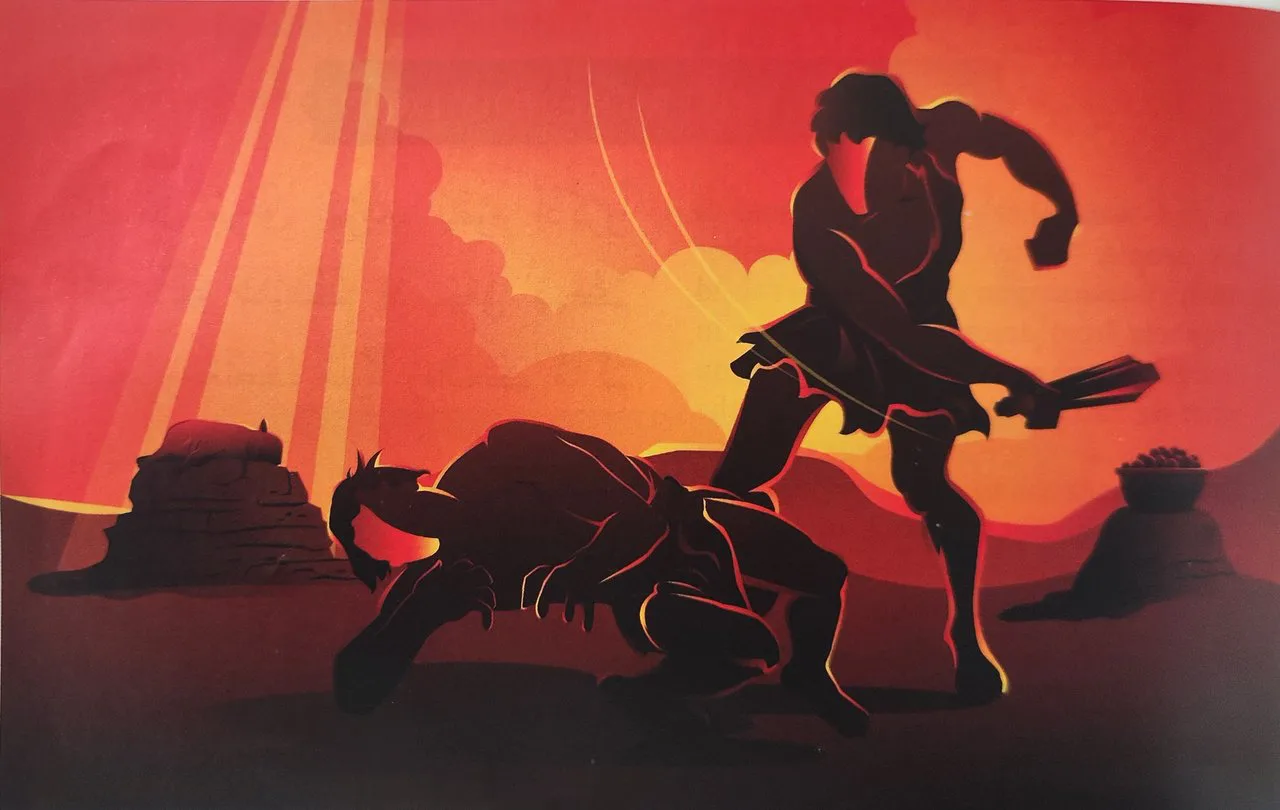
**Adam** had several children, including **Habil** and **Qabil**.
Over time, Qabil grew jealous of Habil, who was a righteous person and a devout servant of Allah.
Eventually, Qabil ended up killing his own brother but didn't know what to do with the body.
So, Allah sent a crow to teach him how to dig a hole and bury it.
According to **verse 31**, Qabil was filled with regret.
WORDS OF WISDOM
- •
Someone might ask, 'Why wasn't **Qabil** forgiven after he regretted what he had done?
' Technically, if someone sincerely regrets doing something wrong, it's a sign that Allah may forgive them.
However, Qabil's regret was not because he killed his own brother, but because he felt bad that the crow was smarter than him.
- •
This is similar to the story of **Pharaoh** in Surah 10 (verses 90-92), when he declared that he believed in Allah while drowning.
His sudden faith was not accepted, because he was just afraid of dying, not because he really had faith in Allah.

SIDE STORY
- •
Some thieves robbed a bank and escaped with the money to a cave outside the city.
In the cave, one of the thieves looked at the massive piles of cash and started to cry.
Another thief asked him, 'What's wrong with you?
Do you regret stealing?
' He replied, 'Of course not!
I'm just crying because it will take us forever to count all this money, and I can't wait to take my share.
'
- •
The other thief responded, 'You fool!
We don't have to count anything.
If we watch the news tonight, they will tell us exactly how much was stolen from the bank!
'
QABIL KILLS HABIL
27Tell them 'O Prophet' the true story of Adam's two sons.
When both made offerings, one's offering was accepted while the other's was not.
So he threatened his brother, "I will kill you!
" His brother replied, "Allah only accepts 'the offering' of the faithful.
28If you raise your hand to kill me, I will not raise my hand to kill you, because I fear Allah, the Lord of the universe.
29I will let you carry your sin against me along with your other sins, then you will be one of the people of the Fire.
And that is the punishment of those doing wrong.
"
30Still the other convinced himself to kill his own brother; so he killed him, becoming a loser.
31Then Allah sent a crow digging a grave' in the ground for a dead crow, just to show him how to bury the body of his brother: He
cried, "Shame on me!
Have I even failed to be like this crow and bury the body of my brother?
" So he felt very bad.
32Because of this 'crime', We made a law for the Children of Isra'il that whoever takes a life—unless as a punishment for murder or corruption in the land—it
will be equal to killing all of humanity.
And whoever saves a life, it will be equal to saving all of humanity.
In fact, Our messengers came to them with clear proofs, yet many of them kept causing trouble throughout the land after that.
وَٱتۡلُ عَلَيۡهِمۡ نَبَأَ ٱبۡنَيۡ ءَادَمَ بِٱلۡحَقِّ إِذۡ قَرَّبَا قُرۡبَانٗا فَتُقُبِّلَ مِنۡ أَحَدِهِمَا وَلَمۡ يُتَقَبَّلۡ مِنَ ٱلۡأٓخَرِ قَالَ لَأَقۡتُلَنَّكَۖ قَالَ إِنَّمَا يَتَقَبَّلُ ٱللَّهُ مِنَ ٱلۡمُتَّقِينَ27
لَئِنۢ بَسَطتَ إِلَيَّ يَدَكَ لِتَقۡتُلَنِي مَآ أَنَا۠ بِبَاسِطٖ يَدِيَ إِلَيۡكَ لِأَقۡتُلَكَۖ إِنِّيٓ أَخَافُ ٱللَّهَ رَبَّ ٱلۡعَٰلَمِينَ28
إِنِّيٓ أُرِيدُ أَن تَبُوٓأَ بِإِثۡمِي وَإِثۡمِكَ فَتَكُونَ مِنۡ أَصۡحَٰبِ ٱلنَّارِۚ وَذَٰلِكَ جَزَٰٓؤُاْ ٱلظَّٰلِمِينَ29
فَطَوَّعَتۡ لَهُۥ نَفۡسُهُۥ قَتۡلَ أَخِيهِ فَقَتَلَهُۥ فَأَصۡبَحَ مِنَ ٱلۡخَٰسِرِينَ30
فَبَعَثَ ٱللَّهُ غُرَابٗا يَبۡحَثُ فِي ٱلۡأَرۡضِ لِيُرِيَهُۥ كَيۡفَ يُوَٰرِي سَوۡءَةَ أَخِيهِۚ قَالَ يَٰوَيۡلَتَىٰٓ أَعَجَزۡتُ أَنۡ أَكُونَ مِثۡلَ هَٰذَا ٱلۡغُرَابِ فَأُوَٰرِيَ سَوۡءَةَ أَخِيۖ فَأَصۡبَحَ مِنَ ٱلنَّٰدِمِينَ31
مِنۡ أَجۡلِ ذَٰلِكَ كَتَبۡنَا عَلَىٰ بَنِيٓ إِسۡرَٰٓءِيلَ أَنَّهُۥ مَن قَتَلَ نَفۡسَۢا بِغَيۡرِ نَفۡسٍ أَوۡ فَسَادٖ فِي ٱلۡأَرۡضِ فَكَأَنَّمَا قَتَلَ ٱلنَّاسَ جَمِيعٗا وَمَنۡ أَحۡيَاهَا فَكَأَنَّمَآ أَحۡيَا ٱلنَّاسَ جَمِيعٗاۚ وَلَقَدۡ جَآءَتۡهُمۡ رُسُلُنَا بِٱلۡبَيِّنَٰتِ ثُمَّ إِنَّ كَثِيرٗا مِّنۡهُم بَعۡدَ ذَٰلِكَ فِي ٱلۡأَرۡضِ لَمُسۡرِفُونَ32
WORDS OF WISDOM
- •
Islamic law, known as **Shariah**, primarily aims to support and protect life, faith, mind, dignity, and wealth.
These are called **Shariah's 5 goals (مقاصد الشريعة)**, all of which are mentioned in this surah (including verses 5, 32-33, 38, 54, and 90).
- •
For example, Islam protects: 1.
**Human life**, by encouraging people to take care of themselves and by punishing those who injure or kill others.
2.
**Faith**, by teaching people to believe in the One True God and by fighting those who force Muslims to leave Islam.
3.
**Ability to think**, by asking people to stay focused and think deeply, and by punishing those who drink alcohol.
4.
**Dignity and honor**, by encouraging people to be modest and by punishing those involved in illegal romantic relations and those who falsely accuse others of this sin.
5.
**Wealth**, by encouraging people to make money legally and punishing those who steal.
WORDS OF WISDOM
- •
The Islamic legal ruling known as **Hirabah** applies to armed criminals who attack innocent civilians, whether Muslim or non-Muslim.
Different punishments are prescribed depending on the nature of the crime:
- •
* In the case of murder or rape, offenders are to be executed.
* In the case of armed robbery, offenders' right hands and left feet are to be cut off.
* In the case of threatening the safety of innocent people, offenders are to be jailed in a different region.
* Punishment for smaller offenses is left for the judge to decide.
- •
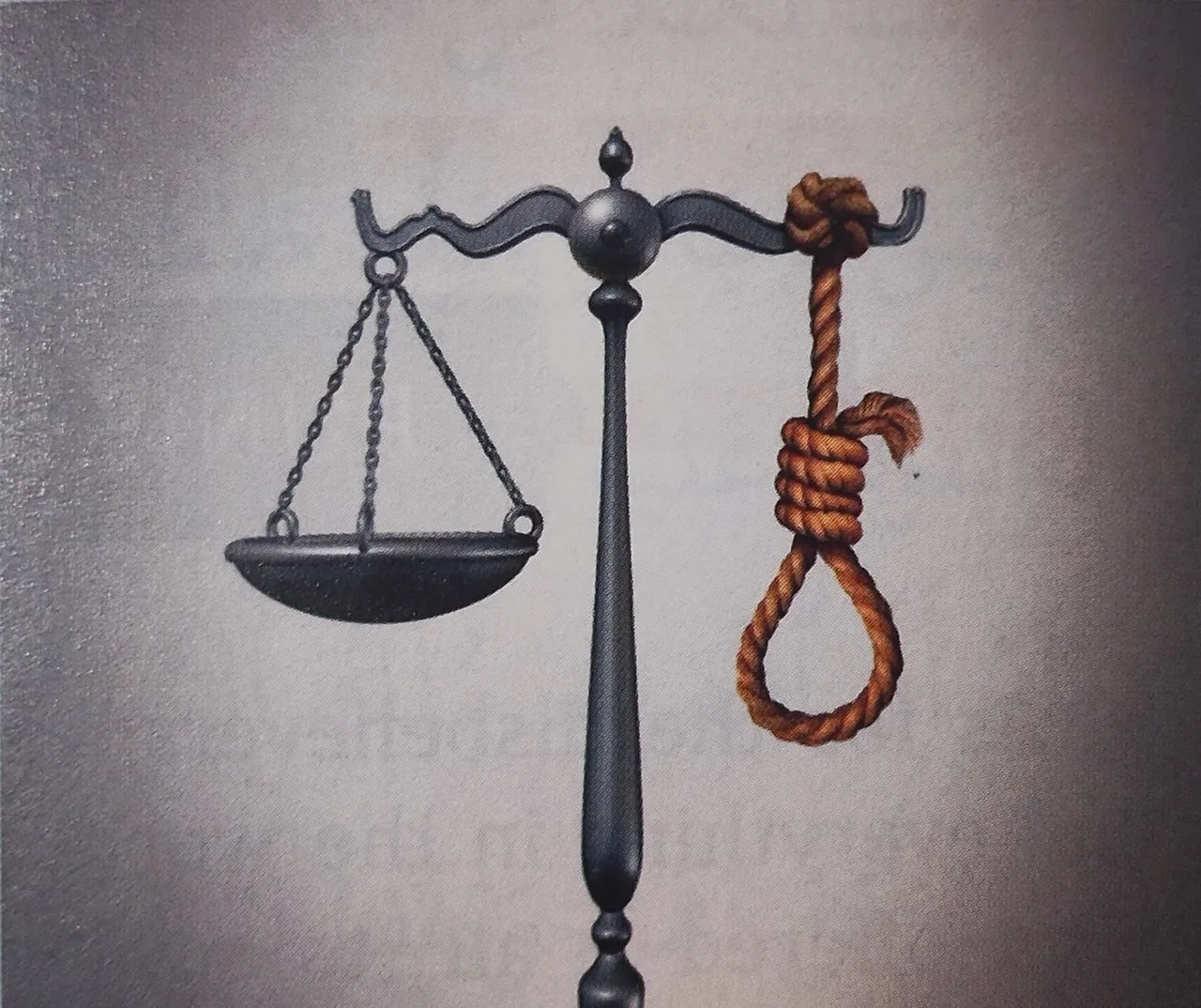
It's worth noting that the **death penalty** is applied in the case of serious crimes in over 50 countries worldwide, including the U.
S.
, Japan, Singapore, India, China, Thailand, Saudi Arabia, and Egypt.
While some people may consider the death penalty brutal and merciless, others see it as a fair punishment for horrific offenses like murder, rape, and high treason.
PUNISHMENT OF THE CORRUPTORS
33Now, those who fight against Allah and His Messenger and spread corruption throughout the land should be punished by killing, or hanging on a cross, or cutting off
their hands and feet on opposite sides, or being expelled from the land.
This 'punishment' is a disgrace for them in this world, and they will suffer a horrible punishment in the Next Life.
34As for those who repent before you arrest them, then know that Allah is Forgiving and Merciful.
35O believers!
Keep Allah in mind and seek what brings you closer to Him and make sacrifices in His Way, so you may be successful.
إِنَّمَا جَزَٰٓؤُاْ ٱلَّذِينَ يُحَارِبُونَ ٱللَّهَ وَرَسُولَهُۥ وَيَسۡعَوۡنَ فِي ٱلۡأَرۡضِ فَسَادًا أَن يُقَتَّلُوٓاْ أَوۡ يُصَلَّبُوٓاْ أَوۡ تُقَطَّعَ أَيۡدِيهِمۡ وَأَرۡجُلُهُم مِّنۡ خِلَٰفٍ أَوۡ يُنفَوۡاْ مِنَ ٱلۡأَرۡضِۚ ذَٰلِكَ لَهُمۡ خِزۡيٞ فِي ٱلدُّنۡيَاۖ وَلَهُمۡ فِي ٱلۡأٓخِرَةِ عَذَابٌ عَظِيمٌ33
إِلَّا ٱلَّذِينَ تَابُواْ مِن قَبۡلِ أَن تَقۡدِرُواْ عَلَيۡهِمۡۖ فَٱعۡلَمُوٓاْ أَنَّ ٱللَّهَ غَفُورٞ رَّحِيمٞ34
يَٰٓأَيُّهَا ٱلَّذِينَ ءَامَنُواْ ٱتَّقُواْ ٱللَّهَ وَٱبۡتَغُوٓاْ إِلَيۡهِ ٱلۡوَسِيلَةَ وَجَٰهِدُواْ فِي سَبِيلِهِۦ لَعَلَّكُمۡ تُفۡلِحُونَ35
PUNISHMENT OF THE UNFAITHFUL
36As for the disbelievers, even if they had everything in the world twice over and offered it all' to save themselves from the punishment of Judgment Day, it
would never be accepted from them.
And they will suffer a painful punishment.
37They will be desperate to get out of the Fire, but they will never be able to.
And they will suffer a never-ending punishment.
إِنَّ ٱلَّذِينَ كَفَرُواْ لَوۡ أَنَّ لَهُم مَّا فِي ٱلۡأَرۡضِ جَمِيعٗا وَمِثۡلَهُۥ مَعَهُۥ لِيَفۡتَدُواْ بِهِۦ مِنۡ عَذَابِ يَوۡمِ ٱلۡقِيَٰمَةِ مَا تُقُبِّلَ مِنۡهُمۡۖ وَلَهُمۡ عَذَابٌ أَلِيمٞ36
يُرِيدُونَ أَن يَخۡرُجُواْ مِنَ ٱلنَّارِ وَمَا هُم بِخَٰرِجِينَ مِنۡهَاۖ وَلَهُمۡ عَذَابٞ مُّقِيمٞ37
WORDS OF WISDOM
- •
In Islam, **strict conditions apply for punishments**, which are intended solely for criminals who pose a threat to society.
The wisdom behind these punishments is to make individuals think twice before committing a crime.
For someone to be punished for theft, the following conditions must be met:
- •
1.
The thief must be a **sane adult**.
2.
The crime must be proven either by **confession** or by **two reliable eyewitnesses**.
3.
The stolen item must be **of value** and taken **secretly from a safe place**.
4.
The owner **must claim it**.
- •
Islamic punishments do not apply in non-Muslim countries or in Muslim lands where Shariah is not the law.
Furthermore, punishment is only applied in a society where the **needs of the poor are taken care of** (through zakah, sadaqah, or welfare).
If the theft is committed out of **necessity** (not mere desire), the punishment is waived.
This includes cases where a starving person steals bread or fruit simply to survive.
It's worth noting that **'Omar ibn Al-Khattab** suspended this punishment for one year due to widespread starvation during his rule.
PUNISHMENT OF THIEVES
38As for male and female thieves, cut off their hands for what they have done—a warning punishment from Allah.
And Allah is Almighty and Wise.
39But those who repent after doing wrong and change their ways, Allah will surely turn to them in forgiveness.
Surely, Allah is Forgiving and Merciful.
40Don't you know that the kingdom of the heavens and the earth belongs to Allah?
He punishes whoever He wants and forgives whoever He wants.
And Allah has power over all things.
وَٱلسَّارِقُ وَٱلسَّارِقَةُ فَٱقۡطَعُوٓاْ أَيۡدِيَهُمَا جَزَآءَۢ بِمَا كَسَبَا نَكَٰلٗا مِّنَ ٱللَّهِۗ وَٱللَّهُ عَزِيزٌ حَكِيم38
فَمَن تَابَ مِنۢ بَعۡدِ ظُلۡمِهِۦ وَأَصۡلَحَ فَإِنَّ ٱللَّهَ يَتُوبُ عَلَيۡهِۚ إِنَّ ٱللَّهَ غَفُورٞ رَّحِيمٌ39
أَلَمۡ تَعۡلَمۡ أَنَّ ٱللَّهَ لَهُۥ مُلۡكُ ٱلسَّمَٰوَٰتِ وَٱلۡأَرۡضِ يُعَذِّبُ مَن يَشَآءُ وَيَغۡفِرُ لِمَن يَشَآءُۗ وَٱللَّهُ عَلَىٰ كُلِّ شَيۡءٖ قَدِيرٞ40
WARNING AGAINST THE UNFAITHFUL
41O Messenger!
Do not be sad for those 'hypocrites' who race to disbelieve—those who say, "We believe" with their tongues, but their hearts have no faith.
Similarly, for those among the Jews who keep listening to lies, paying attention to those who are too arrogant to come to you.
They play with the meaning of their Book, then warn 'each other', "If this is the ruling you get 'from Muhammad', accept it.
If not, be careful!
" Whoever Allah allows to stray, you cannot help them against Allah in any way.
Allah does not want to purify the hearts of such people.
For them, there is disgrace in this world, and they will suffer a horrible punishment in the Next Life.
42They keep listening to falsehood and taking forbidden gain.
So if they come to you 'O Prophet,' either judge between them or turn away from them.
If you turn away from them, they cannot harm you in any way.
But if you judge between them, then judge with justice.
Surely Allah loves those who are just.
43But how come they want you to be their judge when they already have the Tawrah containing Allah's judgment, then they turn away after all?
They are not 'true' believers.
يَٰٓأَيُّهَا ٱلرَّسُولُ لَا يَحۡزُنكَ ٱلَّذِينَ يُسَٰرِعُونَ فِي ٱلۡكُفۡرِ مِنَ ٱلَّذِينَ قَالُوٓاْ ءَامَنَّا بِأَفۡوَٰهِهِمۡ وَلَمۡ تُؤۡمِن قُلُوبُهُمۡۛ وَمِنَ ٱلَّذِينَ هَادُواْۛ سَمَّٰعُونَ لِلۡكَذِبِ سَمَّٰعُونَ لِقَوۡمٍ ءَاخَرِينَ لَمۡ يَأۡتُوكَۖ يُحَرِّفُونَ ٱلۡكَلِمَ مِنۢ بَعۡدِ مَوَاضِعِهِۦۖ يَقُولُونَ إِنۡ أُوتِيتُمۡ هَٰذَا فَخُذُوهُ وَإِن لَّمۡ تُؤۡتَوۡهُ فَٱحۡذَرُواْۚ وَمَن يُرِدِ ٱللَّهُ فِتۡنَتَهُۥ فَلَن تَمۡلِكَ لَهُۥ مِنَ ٱللَّهِ شَيًۡٔاۚ أُوْلَٰٓئِكَ ٱلَّذِينَ لَمۡ يُرِدِ ٱللَّهُ أَن يُطَهِّرَ قُلُوبَهُمۡۚ لَهُمۡ فِي ٱلدُّنۡيَا خِزۡيٞۖ وَلَهُمۡ فِي ٱلۡأٓخِرَةِ عَذَابٌ عَظِيمٞ41
سَمَّٰعُونَ لِلۡكَذِبِ أَكَّٰلُونَ لِلسُّحۡتِۚ فَإِن جَآءُوكَ فَٱحۡكُم بَيۡنَهُمۡ أَوۡ أَعۡرِضۡ عَنۡهُمۡۖ وَإِن تُعۡرِضۡ عَنۡهُمۡ فَلَن يَضُرُّوكَ شَيۡٔٗاۖ وَإِنۡ حَكَمۡتَ فَٱحۡكُم بَيۡنَهُم بِٱلۡقِسۡطِۚ إِنَّ ٱللَّهَ يُحِبُّ ٱلۡمُقۡسِطِينَ42
وَكَيۡفَ يُحَكِّمُونَكَ وَعِندَهُمُ ٱلتَّوۡرَىٰةُ فِيهَا حُكۡمُ ٱللَّهِ ثُمَّ يَتَوَلَّوۡنَ مِنۢ بَعۡدِ ذَٰلِكَۚ وَمَآ أُوْلَٰٓئِكَ بِٱلۡمُؤۡمِنِينَ43
WORDS OF WISDOM
- •
Like Surah 9, this surah mentions some non-Muslim religious titles.
Let's define those titles so you become familiar with them:
- •
1.
**Jewish faith leaders** 2.
**Rabbis**: Jewish scholars 3.
**Priests**: Christian scholars 4.
**Monks**: Christian people of God, fully dedicated to worship
How to study Surah Al-Mâ'idah with children
Use this children's lesson as a guided path: read the short explanation, look at the Arabic verse, listen to related recitation, and return to the full surah when
your child is ready for more detail.
Parents can review one section at a time, ask the child to repeat the main idea, and then continue with the next part or a nearby surah.
This keeps the lesson connected with Quran reading, audio, and daily practice.