Repentance
At-Tawbah
التوبہ
Surah At-Tawbah for kids content

LEARNING POINTS
- •
This surah begins by canceling all the peace agreements broken by the idol-worshippers.
- •
Muslims are asked to be fair with those who honoured their agreements.
- •
Allah always supported and protected His Prophet, especially during his Hijrah from Makkah to Madinah and the Battle of Hunain.
- •
Victory comes only from Allah.
- •
Life is full of tests.
- •
The faithful joined the Prophet when he marched for the Battle of Tabuk.
- •
The hypocrites were exposed and criticized for making up excuses to avoid marching with the Muslim army.
- •
It is haram to joke about Allah, His Prophet, or the Quran.
- •
Allah is willing to forgive those who are honest and sincere.
- •
Muslims should always be ready to protect their community.
- •
It is important to gain more knowledge about Islam.
- •
The Prophet came as a mercy to all of humanity.

BACKGROUND STORY
- •
To really understand this surah, we need to know its historical background.
As far as the new Muslim Community in Madinah was concerned, there were 4 main groups in and outside the city: 1.
Muslims who had true faith in Allah and worked hard to build a strong community.
2.
Hypocrites who accepted Islam publicly but worked secretly against the Muslims.
3.
Non-Muslims (mostly idol-worshippers, Jews, and Christians) who honoured their agreements with the Prophet.
4.
Non-Muslims who broke their agreements and were a threat to the Muslim community.
- •
This surah talks about all these 4 groups.
The faithful Muslims are promised great rewards for supporting Allah's cause.
The hypocrites are criticized and warned repeatedly for their evil actions and attitudes.
- •
As for the non-Muslims who honoured their agreements and didn't threaten the Muslim community in any way, the Prophet is ordered to honour his agreements with them.
As for other non-Muslims who were a threat (by attacking Muslims, supporting others against them, breaking their agreements with them, or preventing them from inviting others to
Islam), they are given 3 options (mentioned in an authentic hadith reported by Imam Muslim): accept Islam, pay the protection-tax (jizyah), or go to war.
(Imam Ibn Al-Qayim in his book Ahkam Ahl Az-Zimmah 'Rulings Related to Protected Peoples'})

WORDS OF WISDOM
- •
Someone may ask, 'Why doesn't this surah start with the basmalah as all other surahs do?
' It's true that this is the only surah in the Quran that does not begin with: 'In the Name of Allah-the Most Kind, Most Merciful.
' The scholars mention different reasons for this:
- •
1.
Maybe because this surah and the previous one (Al-Anfal) are considered to be twin surahs that complete each other.
So, there was no need to add the basmalah in between.
- •
2.
Or maybe because this surah begins by declaring war against the enemies who kept breaking their peace agreements with the Prophet.
So, it was not suitable to mention Allah's kindness and mercy in the basmalah and then declare war in the same breath!
- •
According to Imam Al-Qurtubi, the chosen opinion is that this is the way the surah was revealed to the Prophet and this is the way he ordered it
to be written down, period!
RESPONSE TO BROKEN AGREEMENTS
1Allah and His Messenger have cancelled all the 'broken' agreements you 'believers' made with the idol-worshippers.
2So, you 'idol-worshippers' have four months to travel freely through the land.
But keep in mind that you will have no escape from Allah and that Allah will disgrace the disbelievers.
3An announcement from Allah and His Messenger will be made to all people on the greater day of hajj that Allah and His Messenger have no obligation towards
the idol-worshippers.
If you 'idol-worshippers' repent, it will be better for you.
But if you refuse, then keep in mind that you will have no escape from Allah.
And give good news 'O Prophet' to the disbelievers of a painful punishment.
4As for the idol-worshippers who have not broken their agreement with you in any way and have not supported an enemy against you, honour your agreement with them
until it expires.
Indeed, Allah loves those who are faithful.
5But once the holy months have passed, kill the idol-worshippers who broke their agreements wherever you find them, capture them, detain them, and ambush them on every road.
But if they repent, pray salah, and pay zakah, then leave them alone.
Surely, Allah is Forgiving and Merciful.
6And if any idol-worshipper asks for your protection 'O Prophet', give it to them so they can hear the Word of Allah, then take them to the place
where they feel safe.
This is because these people do not know 'the truth'.
بَرَآءَةٞ مِّنَ ٱللَّهِ وَرَسُولِهِۦٓ إِلَى ٱلَّذِينَ عَٰهَدتُّم مِّنَ ٱلۡمُشۡرِكِينَ1
فَسِيحُواْ فِي ٱلۡأَرۡضِ أَرۡبَعَةَ أَشۡهُرٖ وَٱعۡلَمُوٓاْ أَنَّكُمۡ غَيۡرُ مُعۡجِزِي ٱللَّهِ وَأَنَّ ٱللَّهَ مُخۡزِي ٱلۡكَٰفِرِينَ2
وَأَذَٰنٞ مِّنَ ٱللَّهِ وَرَسُولِهِۦٓ إِلَى ٱلنَّاسِ يَوۡمَ ٱلۡحَجِّ ٱلۡأَكۡبَرِ أَنَّ ٱللَّهَ بَرِيٓءٞ مِّنَ ٱلۡمُشۡرِكِينَ وَرَسُولُهُۥۚ فَإِن تُبۡتُمۡ فَهُوَ خَيۡرٞ لَّكُمۡۖ وَإِن تَوَلَّيۡتُمۡ فَٱعۡلَمُوٓاْ أَنَّكُمۡ غَيۡرُ مُعۡجِزِي ٱللَّهِۗ وَبَشِّرِ ٱلَّذِينَ كَفَرُواْ بِعَذَابٍ أَلِيمٍ3
إِلَّا ٱلَّذِينَ عَٰهَدتُّم مِّنَ ٱلۡمُشۡرِكِينَ ثُمَّ لَمۡ يَنقُصُوكُمۡ شَيۡٔٗا وَلَمۡ يُظَٰهِرُواْ عَلَيۡكُمۡ أَحَدٗا فَأَتِمُّوٓاْ إِلَيۡهِمۡ عَهۡدَهُمۡ إِلَىٰ مُدَّتِهِمۡۚ إِنَّ ٱللَّهَ يُحِبُّ ٱلۡمُتَّقِينَ4
فَإِذَا ٱنسَلَخَ ٱلۡأَشۡهُرُ ٱلۡحُرُمُ فَٱقۡتُلُواْ ٱلۡمُشۡرِكِينَ حَيۡثُ وَجَدتُّمُوهُمۡ وَخُذُوهُمۡ وَٱحۡصُرُوهُمۡ وَٱقۡعُدُواْ لَهُمۡ كُلَّ مَرۡصَدٖۚ فَإِن تَابُواْ وَأَقَامُواْ ٱلصَّلَوٰةَ وَءَاتَوُاْ ٱلزَّكَوٰةَ فَخَلُّواْ سَبِيلَهُمۡۚ إِنَّ ٱللَّهَ غَفُورٞ رَّحِيمٞ5
وَإِنۡ أَحَدٞ مِّنَ ٱلۡمُشۡرِكِينَ ٱسۡتَجَارَكَ فَأَجِرۡهُ حَتَّىٰ يَسۡمَعَ كَلَٰمَ ٱللَّهِ ثُمَّ أَبۡلِغۡهُ مَأۡمَنَهُۥۚ ذَٰلِكَ بِأَنَّهُمۡ قَوۡمٞ لَّا يَعۡلَمُونَ6
THOSE WHO BROKE PEACE AGREEMENTS
7How could Allah and His Messenger keep agreements with such dishonest idol-worshippers?
As for those 'tribes' who have made an agreement with you near the Holy Mosque, as long as they stay true to you, be true to them.
Surely Allah loves those who are faithful.
8Again, how?
If such people had the upper hand over you, they would have no respect for family ties or peace agreements.
They try to please you with their words, but their hearts are against you, and most of them are troublemakers.
9They chose a little gain over Allah's revelations, preventing 'others' from His Way.
Evil indeed is what they did!
10They have no respect for family ties or peace agreements with the believers.
They are truly out of control.
11But if they repent, pray salah, and pay zakah, then they become your fellow believers.
This is how We make the revelations clear for people who know.
12But if they break their word after making an agreement and attack your faith, then fight the masterminds of disbelief—who never keep their word—so perhaps they will stop.
كَيۡفَ يَكُونُ لِلۡمُشۡرِكِينَ عَهۡدٌ عِندَ ٱللَّهِ وَعِندَ رَسُولِهِۦٓ إِلَّا ٱلَّذِينَ عَٰهَدتُّمۡ عِندَ ٱلۡمَسۡجِدِ ٱلۡحَرَامِۖ فَمَا ٱسۡتَقَٰمُواْ لَكُمۡ فَٱسۡتَقِيمُواْ لَهُمۡۚ إِنَّ ٱللَّهَ يُحِبُّ ٱلۡمُتَّقِينَ7
كَيۡفَ وَإِن يَظۡهَرُواْ عَلَيۡكُمۡ لَا يَرۡقُبُواْ فِيكُمۡ إِلّٗا وَلَا ذِمَّةٗۚ يُرۡضُونَكُم بِأَفۡوَٰهِهِمۡ وَتَأۡبَىٰ قُلُوبُهُمۡ وَأَكۡثَرُهُمۡ فَٰسِقُونَ8
ٱشۡتَرَوۡاْ بَِٔايَٰتِ ٱللَّهِ ثَمَنٗا قَلِيلٗا فَصَدُّواْ عَن سَبِيلِهِۦٓۚ إِنَّهُمۡ سَآءَ مَا كَانُواْ يَعۡمَلُونَ9
لَا يَرۡقُبُونَ فِي مُؤۡمِنٍ إِلّٗا وَلَا ذِمَّةٗۚ وَأُوْلَٰٓئِكَ هُمُ ٱلۡمُعۡتَدُونَ10
فَإِن تَابُواْ وَأَقَامُواْ ٱلصَّلَوٰةَ وَءَاتَوُاْ ٱلزَّكَوٰةَ فَإِخۡوَٰنُكُمۡ فِي ٱلدِّينِۗ وَنُفَصِّلُ ٱلۡأٓيَٰتِ لِقَوۡمٖ يَعۡلَمُونَ11
وَإِن نَّكَثُوٓاْ أَيۡمَٰنَهُم مِّنۢ بَعۡدِ عَهۡدِهِمۡ وَطَعَنُواْ فِي دِينِكُمۡ فَقَٰتِلُوٓاْ أَئِمَّةَ ٱلۡكُفۡرِ إِنَّهُمۡ لَآ أَيۡمَٰنَ لَهُمۡ لَعَلَّهُمۡ يَنتَهُونَ12
ORDER TO FIGHT
13Will you not fight those who have broken their word, made plans to expel the Messenger from Makkah, and attacked you first?
Do you fear them?
Only Allah deserves your fear, if you are 'true' believers.
14Fight them and Allah will punish them by your hands, put them to shame, help you beat them, and heal the feelings of the believers—
15removing rage from their hearts.
Later on, Allah will show mercy to whoever He wants.
And Allah has perfect knowledge and wisdom.
16Do you 'Muslims' think that you will be left alone before Allah proves who among you 'truly' makes sacrifices in His cause without taking others as trusted partners
instead of Allah, His Messenger, or the believers?
And Allah is fully Aware of what you do.
أَلَا تُقَٰتِلُونَ قَوۡمٗا نَّكَثُوٓاْ أَيۡمَٰنَهُمۡ وَهَمُّواْ بِإِخۡرَاجِ ٱلرَّسُولِ وَهُم بَدَءُوكُمۡ أَوَّلَ مَرَّةٍۚ أَتَخۡشَوۡنَهُمۡۚ فَٱللَّهُ أَحَقُّ أَن تَخۡشَوۡهُ إِن كُنتُم مُّؤۡمِنِينَ13
قَٰتِلُوهُمۡ يُعَذِّبۡهُمُ ٱللَّهُ بِأَيۡدِيكُمۡ وَيُخۡزِهِمۡ وَيَنصُرۡكُمۡ عَلَيۡهِمۡ وَيَشۡفِ صُدُورَ قَوۡمٖ مُّؤۡمِنِينَ14
وَيُذۡهِبۡ غَيۡظَ قُلُوبِهِمۡۗ وَيَتُوبُ ٱللَّهُ عَلَىٰ مَن يَشَآءُۗ وَٱللَّهُ عَلِيمٌ حَكِيمٌ15
أَمۡ حَسِبۡتُمۡ أَن تُتۡرَكُواْ وَلَمَّا يَعۡلَمِ ٱللَّهُ ٱلَّذِينَ جَٰهَدُواْ مِنكُمۡ وَلَمۡ يَتَّخِذُواْ مِن دُونِ ٱللَّهِ وَلَا رَسُولِهِۦ وَلَا ٱلۡمُؤۡمِنِينَ وَلِيجَةٗۚ وَٱللَّهُ خَبِيرُۢ بِمَا تَعۡمَلُونَ16
TRUE KEEPERS OF THE KA'BAH
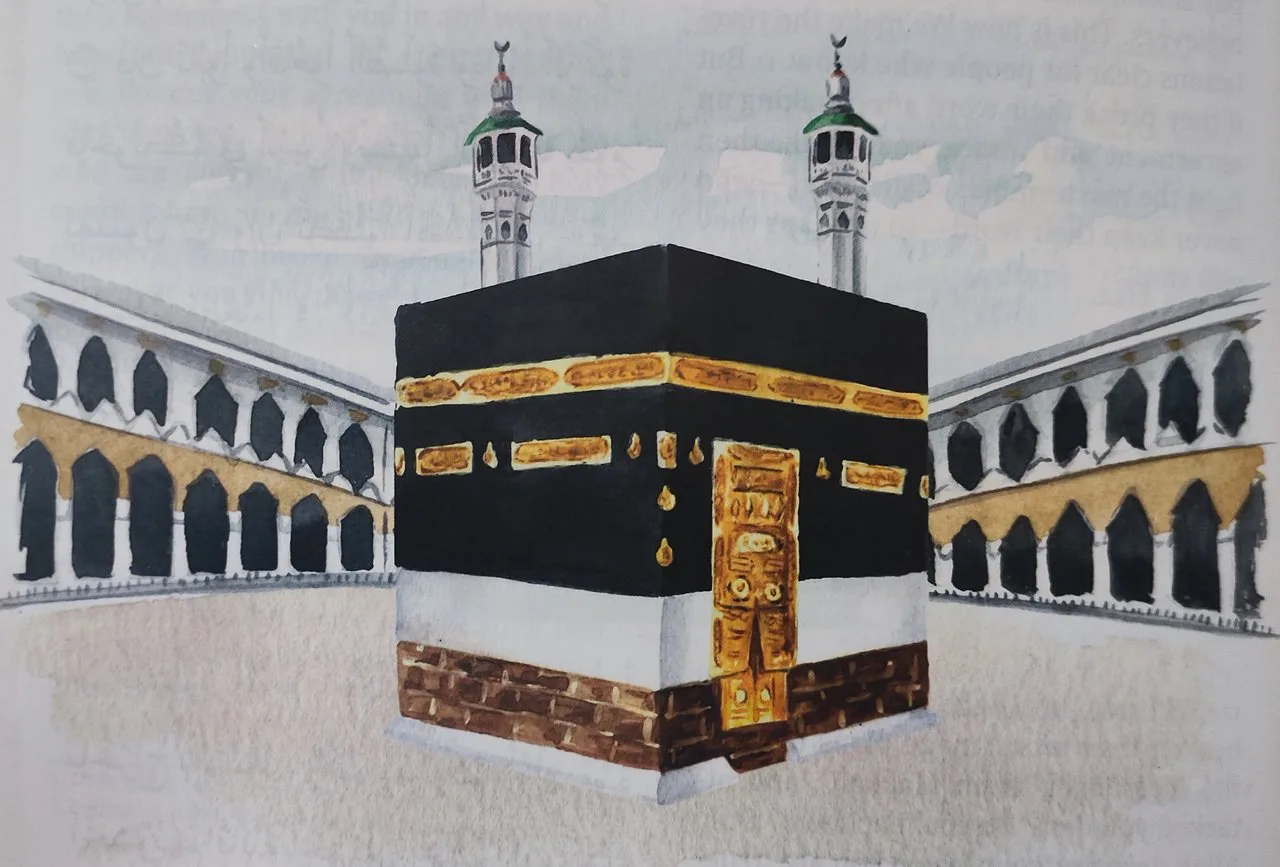
17It is not right for the idol-worshippers to be the keepers of Allah's places of worship, when they keep proving their own disbelief.
Their deeds are worthless, and they will be in the Fire forever.
18The keepers of Allah's places of worship should only be those who believe in Allah and the Last Day, pray salah, pay zakah, and fear none but Allah.
It is right to hope that they will be among the 'truly' guided.
19Do you 'idol-worshippers' consider providing water to those on hajj and taking care of the Holy Mosque as equal to believing in Allah and the Last Day and
making sacrifices in Allah's cause?
They are not equal to Allah.
And Allah does not guide those doing wrong.
20Those who have believed, emigrated, and made sacrifices in Allah's cause with their wealth and their lives have the highest ranks with Allah.
Such people are the true winners.
21Their Lord gives them good news of His mercy, pleasure, and Gardens with eternal enjoyment,
22to stay there for ever and ever.
Surely with Allah is a great reward.
مَا كَانَ لِلۡمُشۡرِكِينَ أَن يَعۡمُرُواْ مَسَٰجِدَ ٱللَّهِ شَٰهِدِينَ عَلَىٰٓ أَنفُسِهِم بِٱلۡكُفۡرِۚ أُوْلَٰٓئِكَ حَبِطَتۡ أَعۡمَٰلُهُمۡ وَفِي ٱلنَّارِ هُمۡ خَٰلِدُونَ17
إِنَّمَا يَعۡمُرُ مَسَٰجِدَ ٱللَّهِ مَنۡ ءَامَنَ بِٱللَّهِ وَٱلۡيَوۡمِ ٱلۡأٓخِرِ وَأَقَامَ ٱلصَّلَوٰةَ وَءَاتَى ٱلزَّكَوٰةَ وَلَمۡ يَخۡشَ إِلَّا ٱللَّهَۖ فَعَسَىٰٓ أُوْلَٰٓئِكَ أَن يَكُونُواْ مِنَ ٱلۡمُهۡتَدِينَ18
أَجَعَلۡتُمۡ سِقَايَةَ ٱلۡحَآجِّ وَعِمَارَةَ ٱلۡمَسۡجِدِ ٱلۡحَرَامِ كَمَنۡ ءَامَنَ بِٱللَّهِ وَٱلۡيَوۡمِ ٱلۡأٓخِرِ وَجَٰهَدَ فِي سَبِيلِ ٱللَّهِۚ لَا يَسۡتَوُۥنَ عِندَ ٱللَّهِۗ وَٱللَّهُ لَا يَهۡدِي ٱلۡقَوۡمَ ٱلظَّٰلِمِينَ19
ٱلَّذِينَ ءَامَنُواْ وَهَاجَرُواْ وَجَٰهَدُواْ فِي سَبِيلِ ٱللَّهِ بِأَمۡوَٰلِهِمۡ وَأَنفُسِهِمۡ أَعۡظَمُ دَرَجَةً عِندَ ٱللَّهِۚ وَأُوْلَٰٓئِكَ هُمُ ٱلۡفَآئِزُونَ20
يُبَشِّرُهُمۡ رَبُّهُم بِرَحۡمَةٖ مِّنۡهُ وَرِضۡوَٰنٖ وَجَنَّٰتٖ لَّهُمۡ فِيهَا نَعِيمٞ مُّقِيمٌ21
خَٰلِدِينَ فِيهَآ أَبَدًاۚ إِنَّ ٱللَّهَ عِندَهُۥٓ أَجۡرٌ عَظِيمٞ22
WARNING TO THE BELIEVERS
23O believers!
Do not take your parents and siblings as trusted partners if they choose disbelief over belief.
And whoever of you does so will be the ones 'truly' doing wrong.
24Say, 'O Prophet,' 'If your parents, children, siblings, spouses, relatives, hard-earned wealth, good businesses at risk, and lovely homes are more beloved to you than Allah and His
Messenger and making sacrifices in His cause, then wait until Allah sends His punishment.
Allah does not guide those out of control.
'
يَٰٓأَيُّهَا ٱلَّذِينَ ءَامَنُواْ لَا تَتَّخِذُوٓاْ ءَابَآءَكُمۡ وَإِخۡوَٰنَكُمۡ أَوۡلِيَآءَ إِنِ ٱسۡتَحَبُّواْ ٱلۡكُفۡرَ عَلَى ٱلۡإِيمَٰنِۚ وَمَن يَتَوَلَّهُم مِّنكُمۡ فَأُوْلَٰٓئِكَ هُمُ ٱلظَّٰلِمُونَ23
قُلۡ إِن كَانَ ءَابَآؤُكُمۡ وَأَبۡنَآؤُكُمۡ وَإِخۡوَٰنُكُمۡ وَأَزۡوَٰجُكُمۡ وَعَشِيرَتُكُمۡ وَأَمۡوَٰلٌ ٱقۡتَرَفۡتُمُوهَا وَتِجَٰرَةٞ تَخۡشَوۡنَ كَسَادَهَا وَمَسَٰكِنُ تَرۡضَوۡنَهَآ أَحَبَّ إِلَيۡكُم مِّنَ ٱللَّهِ وَرَسُولِهِۦ وَجِهَادٖ فِي سَبِيلِهِۦ فَتَرَبَّصُواْ حَتَّىٰ يَأۡتِيَ ٱللَّهُ بِأَمۡرِهِۦۗ وَٱللَّهُ لَا يَهۡدِي ٱلۡقَوۡمَ ٱلۡفَٰسِقِينَ24
BACKGROUND STORY
- •
Following the victory over Makkah, most of Arabia accepted Islam and made peace, but the tribes of Hawazín and Thagif planned to attack the Muslims.
- •
In response, the Prophet (peace be upon him) led the largest Muslim army ever assembled at that time, consisting of 12,000 soldiers, to fight them.
- •
Some Muslims, overconfident in their large numbers, boasted that their army was unbeatable.
- •
However, during the battle, the Muslim army was ambushed.
Most of the soldiers fled, leaving only the Prophet and a few faithful companions to stand their ground.
- •
The Prophet (peace be upon him) remained firm and motivated the believers to return and fight.
Eventually, the army regrouped and achieved victory at Hunain.
(Reported by Imam Ibn Kathir and Imam Al-Qurtubi)
VICTORY IS FROM ALLAH ALONE
25Indeed, Allah has given you 'believers' victory in many battlefields, even at the Battle of Hunain when you were proud of your big numbers—but those numbers did not
help you at all.
You felt the huge earth shrinking in front of you, so you turned back and ran away.
26Then Allah sent down His calm upon His Messenger and the believers, and sent down forces you could not see, and punished those who disbelieved.
This is how the disbelievers are paid back.
27Later on, Allah will show mercy to whoever He wants.
And Allah is Forgiving and Merciful.
لَقَدۡ نَصَرَكُمُ ٱللَّهُ فِي مَوَاطِنَ كَثِيرَةٖ وَيَوۡمَ حُنَيۡنٍ إِذۡ أَعۡجَبَتۡكُمۡ كَثۡرَتُكُمۡ فَلَمۡ تُغۡنِ عَنكُمۡ شَيۡٔٗا وَضَاقَتۡ عَلَيۡكُمُ ٱلۡأَرۡضُ بِمَا رَحُبَتۡ ثُمَّ وَلَّيۡتُم مُّدۡبِرِينَ25
ثُمَّ أَنزَلَ ٱللَّهُ سَكِينَتَهُۥ عَلَىٰ رَسُولِهِۦ وَعَلَى ٱلۡمُؤۡمِنِينَ وَأَنزَلَ جُنُودٗا لَّمۡ تَرَوۡهَا وَعَذَّبَ ٱلَّذِينَ كَفَرُواْۚ وَذَٰلِكَ جَزَآءُ ٱلۡكَٰفِرِينَ26
ثُمَّ يَتُوبُ ٱللَّهُ مِنۢ بَعۡدِ ذَٰلِكَ عَلَىٰ مَن يَشَآءُۗ وَٱللَّهُ غَفُورٞ رَّحِيمٞ27
WORDS OF WISDOM
- •
The jizyah (protection tax) was a practice that existed even before the time of the Prophet Muhammad.
According to the Bible, Jesus allowed his followers to pay taxes to the Roman Emperor.
- •
Under Islamic rule, all citizens had financial duties: Muslims paid zakah (2.
5% of their savings), and non-Muslims paid jizyah.
- •
The jizyah was a small annual amount, averaging one dinar (4.
25 grams of gold).
- •
Many non-Muslims were exempt from paying jizyah, including women, children, the elderly, the poor, the unable to work, and those who dedicated their lives to worship in temples.
Those who joined the Muslim army were also exempt.
- •
Poor non-Muslims received financial support from the Muslim state.
Furthermore, if a Muslim ruler was unable to protect the non-Muslims under their care, the jizyah was refunded to them.
STANDING UP FOR THE TRUTH
28O believers!
Indeed, the idol-worshippers are 'spiritually' impure, so they should not come near the Holy Mosque after this year.
If you fear poverty, Allah will provide for you from His blessings, if He wants.
Surely, Allah has perfect knowledge and wisdom.
29Fight those among the People of the Book who do not believe in Allah and the Last Day, do not abandon what Allah and His Messenger have forbidden,
and do not follow the religion of truth, until they hand over the protection-tax, fully humbled.
يَٰٓأَيُّهَا ٱلَّذِينَ ءَامَنُوٓاْ إِنَّمَا ٱلۡمُشۡرِكُونَ نَجَسٞ فَلَا يَقۡرَبُواْ ٱلۡمَسۡجِدَ ٱلۡحَرَامَ بَعۡدَ عَامِهِمۡ هَٰذَاۚ وَإِنۡ خِفۡتُمۡ عَيۡلَةٗ فَسَوۡفَ يُغۡنِيكُمُ ٱللَّهُ مِن فَضۡلِهِۦٓ إِن شَآءَۚ إِنَّ ٱللَّهَ عَلِيمٌ حَكِيم28
قَٰتِلُواْ ٱلَّذِينَ لَا يُؤۡمِنُونَ بِٱللَّهِ وَلَا بِٱلۡيَوۡمِ ٱلۡأٓخِرِ وَلَا يُحَرِّمُونَ مَا حَرَّمَ ٱللَّهُ وَرَسُولُهُۥ وَلَا يَدِينُونَ دِينَ ٱلۡحَقِّ مِنَ ٱلَّذِينَ أُوتُواْ ٱلۡكِتَٰبَ حَتَّىٰ يُعۡطُواْ ٱلۡجِزۡيَةَ عَن يَدٖ وَهُمۡ صَٰغِرُونَ29
WORDS OF WISDOM
- •
Verse 31 states that Jews and Christians have taken their religious leaders as lords.
- •
A man named 'Adi ibn Hatim, who was a Christian before accepting Islam, expressed his confusion to the Prophet, saying, 'But they don't worship their religious leaders!
'
- •
The Prophet replied by asking, 'Don't they obey those leaders when they permit what is forbidden and forbid what is allowed?
'
- •
'Adi confirmed, 'Yes, they do.
'
- •
The Prophet then explained, 'That is how they worship them.
' (Recorded by Imam At-Tirmizi)

SIDE STORY
- •
The story of Salman Al-Farisi's conversion to Islam is a remarkable one, as reported by Imam Ahmad.
- •
Salman, who was from Persia, was initially a fire-worshipper and his father was the keeper of their 'holy fire.
' He later became a Christian and served a religious leader in Syria.
- •
Salman discovered that this leader was dishonest, secretly hoarding the church's gold and silver donations instead of giving them to the poor.
When the leader died, Salman exposed his treachery to the people, who, in their anger, refused to bury the body.
- •
After serving other good religious leaders, Salman was told about Prophet Muhammad.
On his journey to Arabia, he was captured and sold as a slave in Madinah.
- •
When the Prophet arrived in Madinah, Salman accepted Islam and, with the help of the Muslim community, he was able to buy his freedom.
- •
Verses 34-35 of the Qur'an strongly condemn dishonest religious leaders who steal donations.
These verses warn that on Judgment Day, the treasures they hoarded will be used to punish them in Hell.
UNFAITHFUL PEOPLE OF THE BOOK
30The Jews say, 'Uzair is the son of Allah,' while the Christians say, 'The Messiah is the son of Allah.
' Those are their baseless 'claims, only copying the words of earlier disbelievers.
May Allah doom them!
How can they be deceived 'from the truth?
'
31They have taken their scholars and monks as well as the Messiah, son of Maryam, as lords besides Allah, even though they were commanded to worship none but
One God.
There is no god 'that deserves worship' except Him.
Glory be to Him, far above whatever 'false gods' they make equal to Him.
32They wish to put out Allah's light with their mouths, but Allah will 'only continue to' perfect His light—no matter how much the disbelievers are against it.
33He is the One Who has sent His Messenger with 'true' guidance and the religion of truth, making it rise above all others—no matter how much the idol-worshippers
are against it.
34O believers!
Indeed, many 'Jewish' scholars and 'Christian' monks take people's wealth illegally and prevent 'others' from the Way of Allah.
Give good news of a painful punishment to those who treasure gold and silver, failing to spend it in Allah's cause.
35One day, their treasure will be heated up in the Fire of Hell, and their foreheads, sides, and backs burned with it.
'They will be told,' 'This is the treasure you stored for yourselves.
Now taste the pain of what you stored!
'
وَقَالَتِ ٱلۡيَهُودُ عُزَيۡرٌ ٱبۡنُ ٱللَّهِ وَقَالَتِ ٱلنَّصَٰرَى ٱلۡمَسِيحُ ٱبۡنُ ٱللَّهِۖ ذَٰلِكَ قَوۡلُهُم بِأَفۡوَٰهِهِمۡۖ يُضَٰهُِٔونَ قَوۡلَ ٱلَّذِينَ كَفَرُواْ مِن قَبۡلُۚ قَٰتَلَهُمُ ٱللَّهُۖ أَنَّىٰ يُؤۡفَكُونَ30
ٱتَّخَذُوٓاْ أَحۡبَارَهُمۡ وَرُهۡبَٰنَهُمۡ أَرۡبَابٗا مِّن دُونِ ٱللَّهِ وَٱلۡمَسِيحَ ٱبۡنَ مَرۡيَمَ وَمَآ أُمِرُوٓاْ إِلَّا لِيَعۡبُدُوٓاْ إِلَٰهٗا وَٰحِدٗاۖ لَّآ إِلَٰهَ إِلَّا هُوَۚ سُبۡحَٰنَهُۥ عَمَّا يُشۡرِكُونَ31
يُرِيدُونَ أَن يُطۡفُِٔواْ نُورَ ٱللَّهِ بِأَفۡوَٰهِهِمۡ وَيَأۡبَى ٱللَّهُ إِلَّآ أَن يُتِمَّ نُورَهُۥ وَلَوۡ كَرِهَ ٱلۡكَٰفِرُونَ32
هُوَ ٱلَّذِيٓ أَرۡسَلَ رَسُولَهُۥ بِٱلۡهُدَىٰ وَدِينِ ٱلۡحَقِّ لِيُظۡهِرَهُۥ عَلَى ٱلدِّينِ كُلِّهِۦ وَلَوۡ كَرِهَ ٱلۡمُشۡرِكُونَ33
۞ يَٰٓأَيُّهَا ٱلَّذِينَ ءَامَنُوٓاْ إِنَّ كَثِيرٗا مِّنَ ٱلۡأَحۡبَارِ وَٱلرُّهۡبَانِ لَيَأۡكُلُونَ أَمۡوَٰلَ ٱلنَّاسِ بِٱلۡبَٰطِلِ وَيَصُدُّونَ عَن سَبِيلِ ٱللَّهِۗ وَٱلَّذِينَ يَكۡنِزُونَ ٱلذَّهَبَ وَٱلۡفِضَّةَ وَلَا يُنفِقُونَهَا فِي سَبِيلِ ٱللَّهِ فَبَشِّرۡهُم بِعَذَابٍ أَلِيمٖ34
يَوۡمَ يُحۡمَىٰ عَلَيۡهَا فِي نَارِ جَهَنَّمَ فَتُكۡوَىٰ بِهَا جِبَاهُهُمۡ وَجُنُوبُهُمۡ وَظُهُورُهُمۡۖ هَٰذَا مَا كَنَزۡتُمۡ لِأَنفُسِكُمۡ فَذُوقُواْ مَا كُنتُمۡ تَكۡنِزُونَ35
BACKGROUND STORY
- •
The holy months in the Islamic calendar are the 11th (Dhul-Qadah), 12th (Dhul-Hijjah), 1st (Muharram), and 7th (Rajab) months.
- •
The idol-worshippers knew that fighting was prohibited during these holy months, but they would switch the prohibition to other months.
- •
They would allow fighting in the actual holy months and, to maintain the total of four prohibited months, they would arbitrarily ban fighting in four different months (e.
g.
, the 3rd, 4th, 8th, and 10th).
- •
This practice of changing the sacred months was a form of deception and manipulation.
(Recorded by Imam Ibn Kathir & Imam Al-Baghawi)
HONOURING THE HOLY MONTHS
36Indeed, since the Day Allah created the heavens and the earth, He has set the number of months in His Record at twelve, of which four are holy.
That is the right way.
So do not wrong each other during these months.
And fight the idol-worshippers together as they fight together against you.
And know that Allah is with the faithful.
37Moving these holy months around is an increase in disbelief, by which the disbelievers are misguided.
They do this one year but not the other—just to match the total number of months made holy by Allah—so they allow what Allah has forbidden.
Their evil practices have been made to look good to them.
And Allah does not guide the disbelieving people.
إِنَّ عِدَّةَ ٱلشُّهُورِ عِندَ ٱللَّهِ ٱثۡنَا عَشَرَ شَهۡرٗا فِي كِتَٰبِ ٱللَّهِ يَوۡمَ خَلَقَ ٱلسَّمَٰوَٰتِ وَٱلۡأَرۡضَ مِنۡهَآ أَرۡبَعَةٌ حُرُمٞۚ ذَٰلِكَ ٱلدِّينُ ٱلۡقَيِّمُۚ فَلَا تَظۡلِمُواْ فِيهِنَّ أَنفُسَكُمۡۚ وَقَٰتِلُواْ ٱلۡمُشۡرِكِينَ كَآفَّةٗ كَمَا يُقَٰتِلُونَكُمۡ كَآفَّةٗۚ وَٱعۡلَمُوٓاْ أَنَّ ٱللَّهَ مَعَ ٱلۡمُتَّقِينَ36
إِنَّمَا ٱلنَّسِيٓءُ زِيَادَةٞ فِي ٱلۡكُفۡرِۖ يُضَلُّ بِهِ ٱلَّذِينَ كَفَرُواْ يُحِلُّونَهُۥ عَامٗا وَيُحَرِّمُونَهُۥ عَامٗا لِّيُوَاطُِٔواْ عِدَّةَ مَا حَرَّمَ ٱللَّهُ فَيُحِلُّواْ مَا حَرَّمَ ٱللَّهُۚ زُيِّنَ لَهُمۡ سُوٓءُ أَعۡمَٰلِهِمۡۗ وَٱللَّهُ لَا يَهۡدِي ٱلۡقَوۡمَ ٱلۡكَٰفِرِينَ37
BACKGROUND STORY
- •
The unity of Arabia under Islam threatened the Roman and Persian empires, as many non-Muslim tribes began to shift their loyalty to the Muslim community.
- •
According to Imam Ibn Kathir, the Prophet received news that Roman troops were preparing to attack the Muslims.
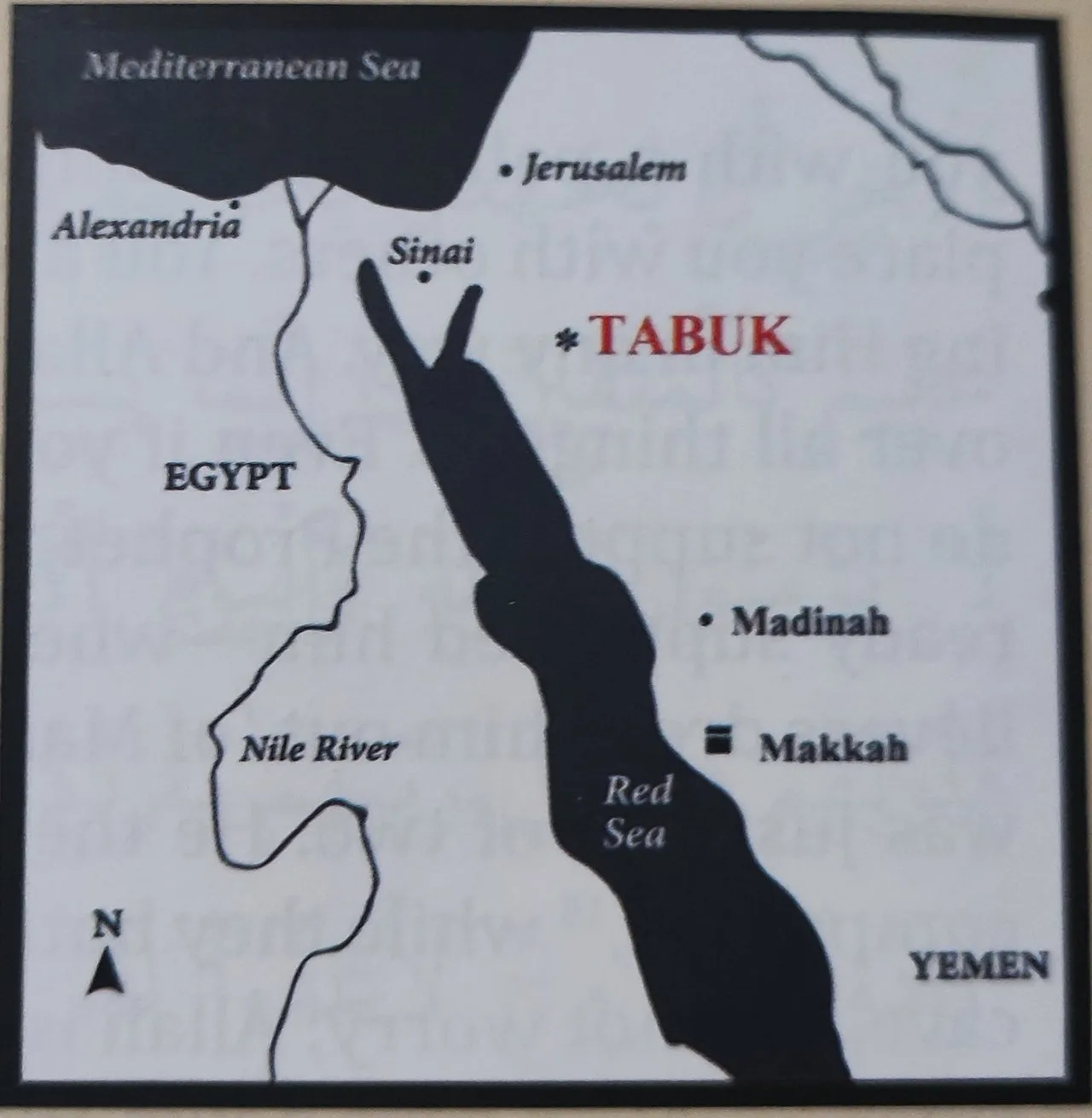
In the 9th year after Hijrah, the Prophet announced a campaign to Tabuk (over 700 km north of Madinah) to confront them.
- •
This campaign was extremely difficult due to the severe heat, long distance, and the financial hardship of the Muslims.
Despite this, the Prophet called for support, and faithful Muslims donated what they could, while the hypocrites did not.
- •
Although the Prophet managed to gather over 30,000 soldiers, many others failed to join the army, with or without valid excuses.
- •
During the journey, the Prophet performed many miracles, such as multiplying food and water, praying for rain, and warning of a coming storm.
On the way back, Allah saved him from an assassination attempt by some hypocrites.
(Recorded by Imam Al-Bukhari & Imam Muslim)
- •
The Roman army, remembering their difficulty with the 3,000-strong Muslim army at the Battle of Mu'tah a year earlier, fled from Tabuk to other Roman-controlled lands like Syria.
- •
The Muslim army stayed at Tabuk for several days to demonstrate their courage.
During this time, several Christian Arab tribes came to pay jizyah to the Muslims.
- •
This campaign severely damaged the reputation of the Roman army and paved the way for Muslims to later conquer Roman-held territories like Syria, Lebanon, Jordan, Palestine, and
Egypt.
- •
The following verses were revealed to criticize those who failed to join the Prophet on the campaign to Tabuk.
REFUSING TO FIGHT FOR THE TRUTH
38O believers!
What is the matter with you that when you are asked to march in the cause of Allah, you become glued to 'your' land?
Do you prefer this life over the Next?
The enjoyment of this life is almost nothing compared to the Next Life.
39If you do not march, He will hit you with a painful punishment and replace you with others.
You are not harming Him in any way.
And Allah has power over all things.
40Even if you 'believers' do not support the Prophet, Allah has already supported him—when the disbelievers drove him out 'of Makkah' and he was just one of two.
He then said to his companion, while they both were in the cave, 'Do not worry; Allah is truly on our side.
' So Allah sent down His calm upon him, supported him with forces you 'believers' did not see, and made the word of the disbelievers the lowest, while
the Word of Allah is supreme.
And Allah is Almighty and Wise.
41March 'O believers' whether it is easy or difficult for you, and make sacrifices with your wealth and your lives in the cause of Allah.
That is best for you, if you only knew.
يَٰٓأَيُّهَا ٱلَّذِينَ ءَامَنُواْ مَا لَكُمۡ إِذَا قِيلَ لَكُمُ ٱنفِرُواْ فِي سَبِيلِ ٱللَّهِ ٱثَّاقَلۡتُمۡ إِلَى ٱلۡأَرۡضِۚ أَرَضِيتُم بِٱلۡحَيَوٰةِ ٱلدُّنۡيَا مِنَ ٱلۡأٓخِرَةِۚ فَمَا مَتَٰعُ ٱلۡحَيَوٰةِ ٱلدُّنۡيَا فِي ٱلۡأٓخِرَةِ إِلَّا قَلِيلٌ38
إِلَّا تَنفِرُواْ يُعَذِّبۡكُمۡ عَذَابًا أَلِيمٗا وَيَسۡتَبۡدِلۡ قَوۡمًا غَيۡرَكُمۡ وَلَا تَضُرُّوهُ شَيۡٔٗاۗ وَٱللَّهُ عَلَىٰ كُلِّ شَيۡءٖ قَدِيرٌ39
إِلَّا تَنصُرُوهُ فَقَدۡ نَصَرَهُ ٱللَّهُ إِذۡ أَخۡرَجَهُ ٱلَّذِينَ كَفَرُواْ ثَانِيَ ٱثۡنَيۡنِ إِذۡ هُمَا فِي ٱلۡغَارِ إِذۡ يَقُولُ لِصَٰحِبِهِۦ لَا تَحۡزَنۡ إِنَّ ٱللَّهَ مَعَنَاۖ فَأَنزَلَ ٱللَّهُ سَكِينَتَهُۥ عَلَيۡهِ وَأَيَّدَهُۥ بِجُنُودٖ لَّمۡ تَرَوۡهَا وَجَعَلَ كَلِمَةَ ٱلَّذِينَ كَفَرُواْ ٱلسُّفۡلَىٰۗ وَكَلِمَةُ ٱللَّهِ هِيَ ٱلۡعُلۡيَاۗ وَٱللَّهُ عَزِيزٌ حَكِيمٌ40
ٱنفِرُواْ خِفَافٗا وَثِقَالٗا وَجَٰهِدُواْ بِأَمۡوَٰلِكُمۡ وَأَنفُسِكُمۡ فِي سَبِيلِ ٱللَّهِۚ ذَٰلِكُمۡ خَيۡرٞ لَّكُمۡ إِن كُنتُمۡ تَعۡلَمُونَ41
HYPOCRITES' FALSE EXCUSES
42If the gain had been easy and the journey shorter, those 'hypocrites' would have followed you, but the distance seemed too long for them.
They will swear by Allah, 'If we had been able, we would have definitely joined you.
' They are ruining themselves.
And Allah knows that they are certainly lying.
43Allah has already excused you 'O Prophet!
' But why did you give them permission 'to stay home' before you found out who was telling the truth and who was lying?
44Those who have faith in Allah and the Last Day would never give you excuses to avoid making sacrifices with their wealth and their lives.
And Allah perfectly knows those who are faithful.
45No one would do that except those with no faith in Allah or the Last Day, and whose hearts are in doubt, so they are torn by their
doubts.
46If they 'really' intended to march, they would have made preparations for it.
But Allah hated for them to go along, so He let them lag behind, and they were told, 'Stay with 'those helpless' who remain behind.
'
47If they had gone out with you 'believers', they would have just been a headache for you.
They would have run around, trying to cause conflict between you.
And some of you would have listened to them.
Allah has 'perfect' knowledge of those doing wrong.
48They had already tried to cause conflict before, and made every possible plan against you 'O Prophet', until the truth won the day and Allah's will rose above
all—even though they were totally against it.
لَوۡ كَانَ عَرَضٗا قَرِيبٗا وَسَفَرٗا قَاصِدٗا لَّٱتَّبَعُوكَ وَلَٰكِنۢ بَعُدَتۡ عَلَيۡهِمُ ٱلشُّقَّةُۚ وَسَيَحۡلِفُونَ بِٱللَّهِ لَوِ ٱسۡتَطَعۡنَا لَخَرَجۡنَا مَعَكُمۡ يُهۡلِكُونَ أَنفُسَهُمۡ وَٱللَّهُ يَعۡلَمُ إِنَّهُمۡ لَكَٰذِبُونَ42
عَفَا ٱللَّهُ عَنكَ لِمَ أَذِنتَ لَهُمۡ حَتَّىٰ يَتَبَيَّنَ لَكَ ٱلَّذِينَ صَدَقُواْ وَتَعۡلَمَ ٱلۡكَٰذِبِينَ43
لَا يَسۡتَٔۡذِنُكَ ٱلَّذِينَ يُؤۡمِنُونَ بِٱللَّهِ وَٱلۡيَوۡمِ ٱلۡأٓخِرِ أَن يُجَٰهِدُواْ بِأَمۡوَٰلِهِمۡ وَأَنفُسِهِمۡۗ وَٱللَّهُ عَلِيمُۢ بِٱلۡمُتَّقِينَ44
إِنَّمَا يَسۡتَٔۡذِنُكَ ٱلَّذِينَ لَا يُؤۡمِنُونَ بِٱللَّهِ وَٱلۡيَوۡمِ ٱلۡأٓخِرِ وَٱرۡتَابَتۡ قُلُوبُهُمۡ فَهُمۡ فِي رَيۡبِهِمۡ يَتَرَدَّدُونَ45
۞ وَلَوۡ أَرَادُواْ ٱلۡخُرُوجَ لَأَعَدُّواْ لَهُۥ عُدَّةٗ وَلَٰكِن كَرِهَ ٱللَّهُ ٱنۢبِعَاثَهُمۡ فَثَبَّطَهُمۡ وَقِيلَ ٱقۡعُدُواْ مَعَ ٱلۡقَٰعِدِينَ46
لَوۡ خَرَجُواْ فِيكُم مَّا زَادُوكُمۡ إِلَّا خَبَالٗا وَلَأَوۡضَعُواْ خِلَٰلَكُمۡ يَبۡغُونَكُمُ ٱلۡفِتۡنَةَ وَفِيكُمۡ سَمَّٰعُونَ لَهُمۡۗ وَٱللَّهُ عَلِيمُۢ بِٱلظَّٰلِمِينَ47
لَقَدِ ٱبۡتَغَوُاْ ٱلۡفِتۡنَةَ مِن قَبۡلُ وَقَلَّبُواْ لَكَ ٱلۡأُمُورَ حَتَّىٰ جَآءَ ٱلۡحَقُّ وَظَهَرَ أَمۡرُ ٱللَّهِ وَهُمۡ كَٰرِهُونَ48
MORE FALSE EXCUSES
49There are some of them who say 'to the Prophet,' 'Allow me to stay, and don't tempt me.
' They have already fallen into temptation.
And Jahannam will completely surround the unfaithful.
50If something good happens to you 'O Prophet,' it makes them mad.
But if something bad happens to you, they brag, 'Good thing we stayed out of harm's way,' and they turn away very happily.
51Say, 'Nothing will happen to us except what Allah has written for us.
He is our Guardian.
' So in Allah let the believers put their trust.
52Say, 'Are you expecting anything for us other than one of the two best things?
But we are expecting Allah to hit you with a punishment from Him or by our hands.
So wait and see!
We too are waiting with you.
'
53Say, 'O Prophet,' 'Donate all you want, willingly or unwillingly.
Nothing will be accepted from you, because you have been out of control.
'
54What prevents their donations from being accepted is that they have lost faith in Allah and His Messenger, they never come to salah except lazily, and they never
donate unless they have to.
55So do not be impressed by their wealth or children 'O Prophet'.
Allah only wants them to suffer through these things in this life, then their souls will be taken while they are unfaithful.
56They swear by Allah that they are part of you, but they are not.
They only say this out of fear.
If they could just find a shelter, a cave, or any hole, they would rush straight into it.
وَمِنۡهُم مَّن يَقُولُ ٱئۡذَن لِّي وَلَا تَفۡتِنِّيٓۚ أَلَا فِي ٱلۡفِتۡنَةِ سَقَطُواْۗ وَإِنَّ جَهَنَّمَ لَمُحِيطَةُۢ بِٱلۡكَٰفِرِينَ49
إِن تُصِبۡكَ حَسَنَةٞ تَسُؤۡهُمۡۖ وَإِن تُصِبۡكَ مُصِيبَةٞ يَقُولُواْ قَدۡ أَخَذۡنَآ أَمۡرَنَا مِن قَبۡلُ وَيَتَوَلَّواْ وَّهُمۡ فَرِحُونَ50
قُل لَّن يُصِيبَنَآ إِلَّا مَا كَتَبَ ٱللَّهُ لَنَا هُوَ مَوۡلَىٰنَاۚ وَعَلَى ٱللَّهِ فَلۡيَتَوَكَّلِ ٱلۡمُؤۡمِنُونَ51
قُلۡ هَلۡ تَرَبَّصُونَ بِنَآ إِلَّآ إِحۡدَى ٱلۡحُسۡنَيَيۡنِۖ وَنَحۡنُ نَتَرَبَّصُ بِكُمۡ أَن يُصِيبَكُمُ ٱللَّهُ بِعَذَابٖ مِّنۡ عِندِهِۦٓ أَوۡ بِأَيۡدِينَاۖ فَتَرَبَّصُوٓاْ إِنَّا مَعَكُم مُّتَرَبِّصُونَ52
قُلۡ أَنفِقُواْ طَوۡعًا أَوۡ كَرۡهٗا لَّن يُتَقَبَّلَ مِنكُمۡ إِنَّكُمۡ كُنتُمۡ قَوۡمٗا فَٰسِقِينَ53
وَمَا مَنَعَهُمۡ أَن تُقۡبَلَ مِنۡهُمۡ نَفَقَٰتُهُمۡ إِلَّآ أَنَّهُمۡ كَفَرُواْ بِٱللَّهِ وَبِرَسُولِهِۦ وَلَا يَأۡتُونَ ٱلصَّلَوٰةَ إِلَّا وَهُمۡ كُسَالَىٰ وَلَا يُنفِقُونَ إِلَّا وَهُمۡ كَٰرِهُونَ54
فَلَا تُعۡجِبۡكَ أَمۡوَٰلُهُمۡ وَلَآ أَوۡلَٰدُهُمۡۚ إِنَّمَا يُرِيدُ ٱللَّهُ لِيُعَذِّبَهُم بِهَا فِي ٱلۡحَيَوٰةِ ٱلدُّنۡيَا وَتَزۡهَقَ أَنفُسُهُمۡ وَهُمۡ كَٰفِرُونَ55
وَيَحۡلِفُونَ بِٱللَّهِ إِنَّهُمۡ لَمِنكُمۡ وَمَا هُم مِّنكُمۡ وَلَٰكِنَّهُمۡ قَوۡمٞ يَفۡرَقُونَ56
How to study Surah At-Tawbah with children
Use this children's lesson as a guided path: read the short explanation, look at the Arabic verse, listen to related recitation, and return to the full surah when
your child is ready for more detail.
Parents can review one section at a time, ask the child to repeat the main idea, and then continue with the next part or a nearby surah.
This keeps the lesson connected with Quran reading, audio, and daily practice.