Spoils of War
Al-Anfâl
الانفال
Surah Al-Anfâl for kids content

LEARNING POINTS
- •
This surah teaches the believers to be faithful and obedient to Allah and His Messenger.
- •
When Muslims disagree, they should accept the judgment of Allah and His Prophet.
- •
Allah supported the Muslim army at Badr and sent down angels to help them.
Victory comes only from Allah.
- •
The believers should always be ready to defend their community and be open to peace.
- •
The faithful are promised a great reward, and the enemy is warned of a horrible fate.
- •
The Makkans are criticized for their attacks on Islam and evil plans against the Prophet.
- •
Muslims should always be there for each other.


BACKGROUND STORY
- •
After 13 years of abuse in Makkah, the Prophet and many of his early followers secretly moved to Madinah, about 400 km to the north.
They left their houses and properties behind, which were soon taken over by the Makkan idol-worshippers.
To make up for this huge financial loss, the Prophet decided to capture an unarmed Makkan business caravan headed by Abu Sufyan, a Makkan chief.
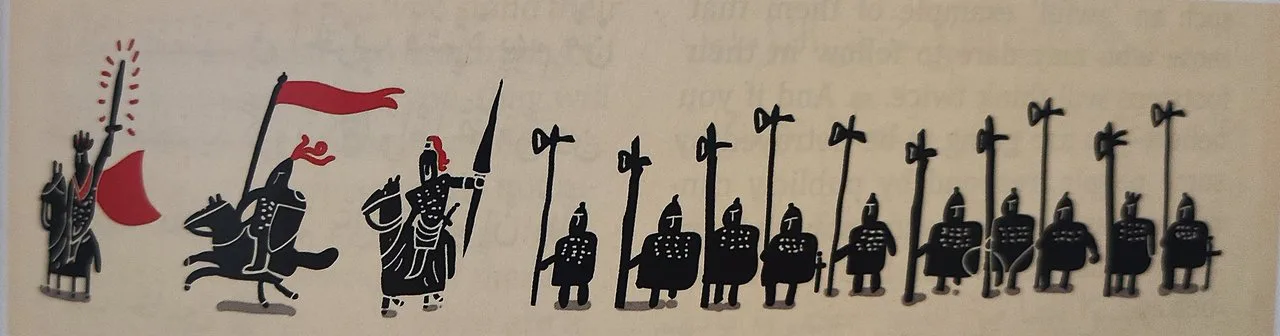
Eventually, the caravan escaped, but the Makkans put together an army of over 1,000 well-armed soldiers, more than 3 times the size of the Muslim force.
Since the Muslims didn't come to fight, many of them had hoped to take the caravan and didn't want to face the Makkan army in battle.
- •
Before the Battle of Badr, the Prophet discussed the situation with his companions.
He then accepted the advice of Al-Hubab ibn Al-Munzir, to take over the wells of Badr, cutting off the enemy's water supply.
The Prophet kept praying to Allah for help, saying that if this small force of Muslims was killed, nobody would be left to worship Allah.
His prayers were answered and many angels came down to help the Muslims.
Right before the battle started, the Prophet threw a handful of sand towards the Makkans and prayed against them.
Although the Muslims were much fewer in number with less weapons, the Makkans suffered a horrible defeat, with 70 of them killed and another 70 taken as prisoners
of war.
When the rest ran away, they left behind many items such as camels, horses, swords, shields, tents, etc.
Those items were collected by the Muslims as war gains.
- •
Following this great victory, the Muslims disagreed on how the war gains should be divided.
It was their first time fighting under the leadership of the Prophet, so they didn't know what to do.
Those who collected the gains assumed those items belonged to them, and those who were busy protecting the Prophet or chasing away the enemy thought they deserved all
the gains.
So, this surah was revealed to tell them how to share the war gains.
According to verse 1, the believers should stay united and leave the distribution of those gains to Allah and His Prophet.
Verse 41 says that 1/5 of the gains should be given by the Prophet to the poor, the needy, the orphans, and so on.
The rest (4/5) should be divided equally among the fighters.
(Imam Ibn Kathir & Imam Al-Qurtubi)
DISTRIBUTION OF WAR GAINS
1They ask you 'O Prophet' about war gains.
Say, 'Their distribution is decided by Allah and His Messenger.
So keep Allah in mind, make peace among yourselves, and obey Allah and His Messenger if you are 'true' believers.
'
2The 'true' believers are only those whose hearts shake when Allah is mentioned, whose faith increases when His revelations are recited to them, and who put their trust
in their Lord.
3'They are' those who pray salah and donate from what We have provided for them.
4Those are the true believers.
They will have high ranks, forgiveness, and generous resources from their Lord.
يَسَۡٔلُونَكَ عَنِ ٱلۡأَنفَالِۖ قُلِ ٱلۡأَنفَالُ لِلَّهِ وَٱلرَّسُولِۖ فَٱتَّقُواْ ٱللَّهَ وَأَصۡلِحُواْ ذَاتَ بَيۡنِكُمۡۖ وَأَطِيعُواْ ٱللَّهَ وَرَسُولَهُۥٓ إِن كُنتُم مُّؤۡمِنِينَ1
إِنَّمَا ٱلۡمُؤۡمِنُونَ ٱلَّذِينَ إِذَا ذُكِرَ ٱللَّهُ وَجِلَتۡ قُلُوبُهُمۡ وَإِذَا تُلِيَتۡ عَلَيۡهِمۡ ءَايَٰتُهُۥ زَادَتۡهُمۡ إِيمَٰنٗا وَعَلَىٰ رَبِّهِمۡ يَتَوَكَّلُونَ2
٢ ٱلَّذِينَ يُقِيمُونَ ٱلصَّلَوٰةَ وَمِمَّا رَزَقۡنَٰهُمۡ يُنفِقُونَ3
أُوْلَٰٓئِكَ هُمُ ٱلۡمُؤۡمِنُونَ حَقّٗاۚ لَّهُمۡ دَرَجَٰتٌ عِندَ رَبِّهِمۡ وَمَغۡفِرَةٞ وَرِزۡقٞ كَرِيم4
REMINDERS TO THE BELIEVERS #1
5Similarly, when your Lord brought you 'O Prophet' out of your home for a just cause, some of the believers were totally against fighting.
6They argued with you about the truth after it had been made clear, as if they were being driven to death with their eyes wide open.
7'Remember, O believers,' when Allah promised to give you control over one of the two targets.
You wished to capture the unarmed target.
But Allah wanted to confirm the truth by His Words and uproot the disbelievers;
8to establish the truth and wipe out falsehood, no matter how much the wicked are against it.
9'Remember' when you cried out to your Lord for help, He answered, 'I will support you with a thousand angels, followed by many others.
'
10Allah made his support only as good news as well as comfort for your hearts.
Victory comes only from Allah.
Indeed, Allah is Almighty and Wise.
11'Remember' when We caused sleep to come upon you, giving you a sense of peace.
And He sent down rain from the sky to purify you, free you from Satan's whispers, support your hearts, and make 'your' steps firm.
12'Remember, O Prophet,' when your Lord revealed to the angels, 'I am truly with you.
So make the believers stand firm.
I will put panic into the hearts of the disbelievers.
So strike their necks and strike their fingertips.
'
13This is because they challenged Allah and His Messenger.
And whoever challenges Allah and His Messenger 'should know that Allah is truly severe in punishment.
14This is what you deserve, so taste it!
On top of that, the disbelievers will suffer the punishment of the Fire.
كَمَآ أَخۡرَجَكَ رَبُّكَ مِنۢ بَيۡتِكَ بِٱلۡحَقِّ وَإِنَّ فَرِيقٗا مِّنَ ٱلۡمُؤۡمِنِينَ لَكَٰرِهُونَ5
يُجَٰدِلُونَكَ فِي ٱلۡحَقِّ بَعۡدَ مَا تَبَيَّنَ كَأَنَّمَا يُسَاقُونَ إِلَى ٱلۡمَوۡتِ وَهُمۡ يَنظُرُونَ6
وَإِذۡ يَعِدُكُمُ ٱللَّهُ إِحۡدَى ٱلطَّآئِفَتَيۡنِ أَنَّهَا لَكُمۡ وَتَوَدُّونَ أَنَّ غَيۡرَ ذَاتِ ٱلشَّوۡكَةِ تَكُونُ لَكُمۡ وَيُرِيدُ ٱللَّهُ أَن يُحِقَّ ٱلۡحَقَّ بِكَلِمَٰتِهِۦ وَيَقۡطَعَ دَابِرَ ٱلۡكَٰفِرِينَ7
لِيُحِقَّ ٱلۡحَقَّ وَيُبۡطِلَ ٱلۡبَٰطِلَ وَلَوۡ كَرِهَ ٱلۡمُجۡرِمُونَ8
إِذۡ تَسۡتَغِيثُونَ رَبَّكُمۡ فَٱسۡتَجَابَ لَكُمۡ أَنِّي مُمِدُّكُم بِأَلۡفٖ مِّنَ ٱلۡمَلَٰٓئِكَةِ مُرۡدِفِينَ9
وَمَا جَعَلَهُ ٱللَّهُ إِلَّا بُشۡرَىٰ وَلِتَطۡمَئِنَّ بِهِۦ قُلُوبُكُمۡۚ وَمَا ٱلنَّصۡرُ إِلَّا مِنۡ عِندِ ٱللَّهِۚ إِنَّ ٱللَّهَ عَزِيزٌ حَكِيمٌ10
إِذۡ يُغَشِّيكُمُ ٱلنُّعَاسَ أَمَنَةٗ مِّنۡهُ وَيُنَزِّلُ عَلَيۡكُم مِّنَ ٱلسَّمَآءِ مَآءٗ لِّيُطَهِّرَكُم بِهِۦ وَيُذۡهِبَ عَنكُمۡ رِجۡزَ ٱلشَّيۡطَٰنِ وَلِيَرۡبِطَ عَلَىٰ قُلُوبِكُمۡ وَيُثَبِّتَ بِهِ ٱلۡأَقۡدَامَ11
إِذۡ يُوحِي رَبُّكَ إِلَى ٱلۡمَلَٰٓئِكَةِ أَنِّي مَعَكُمۡ فَثَبِّتُواْ ٱلَّذِينَ ءَامَنُواْۚ سَأُلۡقِي فِي قُلُوبِ ٱلَّذِينَ كَفَرُواْ ٱلرُّعۡبَ فَٱضۡرِبُواْ فَوۡقَ ٱلۡأَعۡنَاقِ وَٱضۡرِبُواْ مِنۡهُمۡ كُلَّ بَنَان12
ذَٰلِكَ بِأَنَّهُمۡ شَآقُّواْ ٱللَّهَ وَرَسُولَهُۥۚ وَمَن يُشَاقِقِ ٱللَّهَ وَرَسُولَهُۥ فَإِنَّ ٱللَّهَ شَدِيدُ ٱلۡعِقَابِ13
ذَٰلِكُمۡ فَذُوقُوهُ وَأَنَّ لِلۡكَٰفِرِينَ عَذَابَ ٱلنَّارِ14
REMINDERS TO THE BELIEVERS #2
15O believers!
When you face the disbelievers in battle, never run away.
16And whoever does this on such an occasion—unless it is a war tactic or to join their own troop—will end up with Allah's anger, and their home will
be Jahannam.
What an evil destination!
17It was not you 'believers' who killed the enemy, but it was Allah Who made it happen.
And it was not you 'Prophet' who threw 'some sand at them,' but it was Allah Who made it happen, doing the believers a great favour.
Surely Allah hears and knows 'everything'.
18On top of all that, Allah will defeat the evil plans of the disbelievers.
19If you 'Makkans' look for judgment, now it has come to you.
And if you stop, it will be for your own good.
But if you continue, We will do the same.
And your forces—no matter how big they are—will not benefit you at all.
Allah is definitely with the believers.
20O believers!
Obey Allah and His Messenger, and do not turn away from him while you hear 'his call'.
21Do not be like those who say, 'We hear' but they are not listening,
22Indeed, the worst of all creation in the sight of Allah are those 'deniers' who choose to be deaf and mute 'to the truth', with no sense at
all.
23If Allah had found any goodness in them, He would have made them hear.
But even if He had made them hear, they would have turned away carelessly.
يَٰٓأَيُّهَا ٱلَّذِينَ ءَامَنُوٓاْ إِذَا لَقِيتُمُ ٱلَّذِينَ كَفَرُواْ زَحۡفٗا فَلَا تُوَلُّوهُمُ ٱلۡأَدۡبَارَ15
وَمَن يُوَلِّهِمۡ يَوۡمَئِذٖ دُبُرَهُۥٓ إِلَّا مُتَحَرِّفٗا لِّقِتَالٍ أَوۡ مُتَحَيِّزًا إِلَىٰ فِئَةٖ فَقَدۡ بَآءَ بِغَضَبٖ مِّنَ ٱللَّهِ وَمَأۡوَىٰهُ جَهَنَّمُۖ وَبِئۡسَ ٱلۡمَصِيرُ16
فَلَمۡ تَقۡتُلُوهُمۡ وَلَٰكِنَّ ٱللَّهَ قَتَلَهُمۡۚ وَمَا رَمَيۡتَ إِذۡ رَمَيۡتَ وَلَٰكِنَّ ٱللَّهَ رَمَىٰ وَلِيُبۡلِيَ ٱلۡمُؤۡمِنِينَ مِنۡهُ بَلَآءً حَسَنًاۚ إِنَّ ٱللَّهَ سَمِيعٌ عَلِيم17
ذَٰلِكُمۡ وَأَنَّ ٱللَّهَ مُوهِنُ كَيۡدِ ٱلۡكَٰفِرِينَ18
إِن تَسۡتَفۡتِحُواْ فَقَدۡ جَآءَكُمُ ٱلۡفَتۡحُۖ وَإِن تَنتَهُواْ فَهُوَ خَيۡرٞ لَّكُمۡۖ وَإِن تَعُودُواْ نَعُدۡ وَلَن تُغۡنِيَ عَنكُمۡ فِئَتُكُمۡ شَيۡٔٗا وَلَوۡ كَثُرَتۡ وَأَنَّ ٱللَّهَ مَعَ ٱلۡمُؤۡمِنِينَ19
يَٰٓأَيُّهَا ٱلَّذِينَ ءَامَنُوٓاْ أَطِيعُواْ ٱللَّهَ وَرَسُولَهُۥ وَلَا تَوَلَّوۡاْ عَنۡهُ وَأَنتُمۡ تَسۡمَعُونَ20
وَلَا تَكُونُواْ كَٱلَّذِينَ قَالُواْ سَمِعۡنَا وَهُمۡ لَا يَسۡمَعُونَ21
إِنَّ شَرَّ ٱلدَّوَآبِّ عِندَ ٱللَّهِ ٱلصُّمُّ ٱلۡبُكۡمُ ٱلَّذِينَ لَا يَعۡقِلُونَ22
وَلَوۡ عَلِمَ ٱللَّهُ فِيهِمۡ خَيۡرٗا لَّأَسۡمَعَهُمۡۖ وَلَوۡ أَسۡمَعَهُمۡ لَتَوَلَّواْ وَّهُم مُّعۡرِضُونَ23
REMINDERS TO THE BELIEVERS #3
24O believers!
Respond to Allah and His Messenger when he calls you to what gives you life.
And know that Allah comes between a person and their heart and that to Him you will all be gathered 'for judgment'.
25Watch out for a test that will not just affect those doing wrong among you.
And know that Allah is severe in punishment.
26Remember when you used to be few and abused in the land, always fearing attacks by your enemy, then He sheltered you, supported you with His help, and
provided you with good things so perhaps you would be thankful.
27O believers!
Do not betray Allah and the Messenger, and do not betray your trusts intentionally.
28And know that your wealth and your children are only a test and that with Allah is a great reward.
29O believers!
If you keep Allah in mind, He will bless you with the ability to tell right from wrong, clear you of your sins, and forgive you.
And Allah is the Lord of great blessings.
يَٰٓأَيُّهَا ٱلَّذِينَ ءَامَنُواْ ٱسۡتَجِيبُواْ لِلَّهِ وَلِلرَّسُولِ إِذَا دَعَاكُمۡ لِمَا يُحۡيِيكُمۡۖ وَٱعۡلَمُوٓاْ أَنَّ ٱللَّهَ يَحُولُ بَيۡنَ ٱلۡمَرۡءِ وَقَلۡبِهِۦ وَأَنَّهُۥٓ إِلَيۡهِ تُحۡشَرُونَ24
وَٱتَّقُواْ فِتۡنَةٗ لَّا تُصِيبَنَّ ٱلَّذِينَ ظَلَمُواْ مِنكُمۡ خَآصَّةٗۖ وَٱعۡلَمُوٓاْ أَنَّ ٱللَّهَ شَدِيدُ ٱلۡعِقَابِ25
وَٱذۡكُرُوٓاْ إِذۡ أَنتُمۡ قَلِيلٞ مُّسۡتَضۡعَفُونَ فِي ٱلۡأَرۡضِ تَخَافُونَ أَن يَتَخَطَّفَكُمُ ٱلنَّاسُ فََٔاوَىٰكُمۡ وَأَيَّدَكُم بِنَصۡرِهِۦ وَرَزَقَكُم مِّنَ ٱلطَّيِّبَٰتِ لَعَلَّكُمۡ تَشۡكُرُونَ26
يَٰٓأَيُّهَا ٱلَّذِينَ ءَامَنُواْ لَا تَخُونُواْ ٱللَّهَ وَٱلرَّسُولَ وَتَخُونُوٓاْ أَمَٰنَٰتِكُمۡ وَأَنتُمۡ تَعۡلَمُونَ27
وَٱعۡلَمُوٓاْ أَنَّمَآ أَمۡوَٰلُكُمۡ وَأَوۡلَٰدُكُمۡ فِتۡنَةٞ وَأَنَّ ٱللَّهَ عِندَهُۥٓ أَجۡرٌ عَظِيمٞ28
يَٰٓأَيُّهَا ٱلَّذِينَ ءَامَنُوٓاْ إِن تَتَّقُواْ ٱللَّهَ يَجۡعَل لَّكُمۡ فُرۡقَانٗا وَيُكَفِّرۡ عَنكُمۡ سَئَِّاتِكُمۡ وَيَغۡفِرۡ لَكُمۡۗ وَٱللَّهُ ذُو ٱلۡفَضۡلِ ٱلۡعَظِيمِ29
MAKKAN EVIL PLANS
30And 'remember, O Prophet,' when the disbelievers planned to capture, kill, or expel you.
They made plans, but Allah also planned.
And Allah is the best of planners.
31Whenever Our revelations are recited to them, they say 'arrogantly', 'We have already heard this 'recitation'.
If we wanted, we could have easily made something similar.
This 'Qur'an' is just a bunch of fairy tales!
'
32And 'remember' when they demanded, 'O Allah!
If this is really the truth from You, then You better shower us with stones from the sky or send us some painful punishment.
'
33But Allah would never punish them while you 'O Prophet' are living among them.
And He would never punish them if they prayed for forgiveness.
34But why should Allah not punish them, when they are preventing others from the Holy Mosque, even though they do not deserve to be its keepers?
Only those who keep Allah in mind deserve to be its keepers, but most idol-worshippers do not realize it.
35Their prayer at the Holy House is just whistling and clapping.
So taste the punishment for your disbelief.
وَإِذۡ يَمۡكُرُ بِكَ ٱلَّذِينَ كَفَرُواْ لِيُثۡبِتُوكَ أَوۡ يَقۡتُلُوكَ أَوۡ يُخۡرِجُوكَۚ وَيَمۡكُرُونَ وَيَمۡكُرُ ٱللَّهُۖ وَٱللَّهُ خَيۡرُ ٱلۡمَٰكِرِينَ30
وَإِذَا تُتۡلَىٰ عَلَيۡهِمۡ ءَايَٰتُنَا قَالُواْ قَدۡ سَمِعۡنَا لَوۡ نَشَآءُ لَقُلۡنَا مِثۡلَ هَٰذَآ إِنۡ هَٰذَآ إِلَّآ أَسَٰطِيرُ ٱلۡأَوَّلِينَ31
وَإِذۡ قَالُواْ ٱللَّهُمَّ إِن كَانَ هَٰذَا هُوَ ٱلۡحَقَّ مِنۡ عِندِكَ فَأَمۡطِرۡ عَلَيۡنَا حِجَارَةٗ مِّنَ ٱلسَّمَآءِ أَوِ ٱئۡتِنَا بِعَذَابٍ أَلِيم32
وَمَا كَانَ ٱللَّهُ لِيُعَذِّبَهُمۡ وَأَنتَ فِيهِمۡۚ وَمَا كَانَ ٱللَّهُ مُعَذِّبَهُمۡ وَهُمۡ يَسۡتَغۡفِرُونَ33
وَمَا لَهُمۡ أَلَّا يُعَذِّبَهُمُ ٱللَّهُ وَهُمۡ يَصُدُّونَ عَنِ ٱلۡمَسۡجِدِ ٱلۡحَرَامِ وَمَا كَانُوٓاْ أَوۡلِيَآءَهُۥٓۚ إِنۡ أَوۡلِيَآؤُهُۥٓ إِلَّا ٱلۡمُتَّقُونَ وَلَٰكِنَّ أَكۡثَرَهُمۡ لَا يَعۡلَمُونَ34
وَمَا كَانَ صَلَاتُهُمۡ عِندَ ٱلۡبَيۡتِ إِلَّا مُكَآءٗ وَتَصۡدِيَةٗۚ فَذُوقُواْ ٱلۡعَذَابَ بِمَا كُنتُمۡ تَكۡفُرُونَ35
WARNING TO IDOL-WORSHIPPERS
36Indeed, the disbelievers spend their wealth to prevent others from the Path of Allah.
They will continue to spend to the point of regret.
Then they will be defeated, and those disbelievers will be driven into Hell.
37So Allah may separate the evil from the good.
He will pile up the evil ones all together, and then throw them into Jahannam.
They are the 'true' losers.
38Tell the disbelievers that if they give up disbelief, their past will be forgiven.
But if they continue, then they already have an example in those destroyed before.
39Fight against them if they attack you until there is no more abuse and faith will be totally in Allah.
But if they stop, then Allah truly sees what they do.
40And if they refuse, then know that Allah is your Guardian.
What an excellent Protector, and what an excellent Helper!
إِنَّ ٱلَّذِينَ كَفَرُواْ يُنفِقُونَ أَمۡوَٰلَهُمۡ لِيَصُدُّواْ عَن سَبِيلِ ٱللَّهِۚ فَسَيُنفِقُونَهَا ثُمَّ تَكُونُ عَلَيۡهِمۡ حَسۡرَةٗ ثُمَّ يُغۡلَبُونَۗ وَٱلَّذِينَ كَفَرُوٓاْ إِلَىٰ جَهَنَّمَ يُحۡشَرُونَ36
لِيَمِيزَ ٱللَّهُ ٱلۡخَبِيثَ مِنَ ٱلطَّيِّبِ وَيَجۡعَلَ ٱلۡخَبِيثَ بَعۡضَهُۥ عَلَىٰ بَعۡضٖ فَيَرۡكُمَهُۥ جَمِيعٗا فَيَجۡعَلَهُۥ فِي جَهَنَّمَۚ أُوْلَٰٓئِكَ هُمُ ٱلۡخَٰسِرُونَ37
قُل لِّلَّذِينَ كَفَرُوٓاْ إِن يَنتَهُواْ يُغۡفَرۡ لَهُم مَّا قَدۡ سَلَفَ وَإِن يَعُودُواْ فَقَدۡ مَضَتۡ سُنَّتُ ٱلۡأَوَّلِينَ38
وَقَٰتِلُوهُمۡ حَتَّىٰ لَا تَكُونَ فِتۡنَةٞ وَيَكُونَ ٱلدِّينُ كُلُّهُۥ لِلَّهِۚ فَإِنِ ٱنتَهَوۡاْ فَإِنَّ ٱللَّهَ بِمَا يَعۡمَلُونَ بَصِير39
وَإِن تَوَلَّوۡاْ فَٱعۡلَمُوٓاْ أَنَّ ٱللَّهَ مَوۡلَىٰكُمۡۚ نِعۡمَ ٱلۡمَوۡلَىٰ وَنِعۡمَ ٱلنَّصِيرُ40
ALLAH'S PLAN AT BADR
41Know that whatever gains you take, one-fifth is for Allah and the Messenger, his close relatives, orphans, the poor, and 'needy' travellers, if you 'truly' believe in Allah
and what We revealed to Our servant on the day the truth was distinguished from falsehood—the day when the two armies met at Badr'.
And Allah has power over all things.
42'Remember' when you were on the near side of the valley, your enemy on the far side, and the caravan was below you.
Even if the two armies had made an appointment 'to fight', both would have certainly missed it.
Still, 'they met in battle' so Allah would bring about something already planned—that those who were going to die and those who were going to survive might do
so after the truth had been made clear to both.
Surely Allah hears and knows 'everything'.
43'Remember, O Prophet,' when Allah showed them in your dream as few in number.
If He had shown them to you as many, you 'believers' would have certainly lost courage and disagreed about fighting.
But Allah saved you from that.
Surely He knows best whatever 'secrets are hidden' in the hearts.
44Then when you and your enemies faced off, Allah made them appear as few in your eyes, and made you appear as few in their eyes, so Allah
would bring about something already planned.
And 'all' matters will be returned to Allah 'for judgment'.
۞ وَٱعۡلَمُوٓاْ أَنَّمَا غَنِمۡتُم مِّن شَيۡءٖ فَأَنَّ لِلَّهِ خُمُسَهُۥ وَلِلرَّسُولِ وَلِذِي ٱلۡقُرۡبَىٰ وَٱلۡيَتَٰمَىٰ وَٱلۡمَسَٰكِينِ وَٱبۡنِ ٱلسَّبِيلِ إِن كُنتُمۡ ءَامَنتُم بِٱللَّهِ وَمَآ أَنزَلۡنَا عَلَىٰ عَبۡدِنَا يَوۡمَ ٱلۡفُرۡقَانِ يَوۡمَ ٱلۡتَقَى ٱلۡجَمۡعَانِۗ وَٱللَّهُ عَلَىٰ كُلِّ شَيۡءٖ قَدِيرٌ41
إِذۡ أَنتُم بِٱلۡعُدۡوَةِ ٱلدُّنۡيَا وَهُم بِٱلۡعُدۡوَةِ ٱلۡقُصۡوَىٰ وَٱلرَّكۡبُ أَسۡفَلَ مِنكُمۡۚ وَلَوۡ تَوَاعَدتُّمۡ لَٱخۡتَلَفۡتُمۡ فِي ٱلۡمِيعَٰدِ وَلَٰكِن لِّيَقۡضِيَ ٱللَّهُ أَمۡرٗا كَانَ مَفۡعُولٗا لِّيَهۡلِكَ مَنۡ هَلَكَ عَنۢ بَيِّنَةٖ وَيَحۡيَىٰ مَنۡ حَيَّ عَنۢ بَيِّنَةٖۗ وَإِنَّ ٱللَّهَ لَسَمِيعٌ عَلِيمٌ42
إِذۡ يُرِيكَهُمُ ٱللَّهُ فِي مَنَامِكَ قَلِيلٗاۖ وَلَوۡ أَرَىٰكَهُمۡ كَثِيرٗا لَّفَشِلۡتُمۡ وَلَتَنَٰزَعۡتُمۡ فِي ٱلۡأَمۡرِ وَلَٰكِنَّ ٱللَّهَ سَلَّمَۚ إِنَّهُۥ عَلِيمُۢ بِذَاتِ ٱلصُّدُورِ43
وَإِذۡ يُرِيكُمُوهُمۡ إِذِ ٱلۡتَقَيۡتُمۡ فِيٓ أَعۡيُنِكُمۡ قَلِيلٗا وَيُقَلِّلُكُمۡ فِيٓ أَعۡيُنِهِمۡ لِيَقۡضِيَ ٱللَّهُ أَمۡرٗا كَانَ مَفۡعُولٗاۗ وَإِلَى ٱللَّهِ تُرۡجَعُ ٱلۡأُمُورُ44
REMINDERS TO THE BELIEVERS #4
45O believers!
When you face an enemy, stand firm and remember Allah often so you may be successful.
46Obey Allah and His Messenger and do not argue with each other, or you would lose courage and power.
Be patient!
Surely Allah is with those who are patient.
47Do not be like those 'Makkans' who left their homes arrogantly, just to show off and to prevent others from Allah's Path.
And Allah is completely Aware of what they do.
48And 'remember' when Satan made their 'evil' actions look good to them and said, 'No one can beat you today.
I am truly by your side.
' But when the two armies met, he ran away and cried, 'I have absolutely nothing to do with you.
I see what you don't see.
I truly fear Allah, because Allah is severe in punishment.
'
49'Remember' when the hypocrites and those with sickness in their hearts said, 'These believers' must be deceived by their faith.
' But whoever puts their trust in Allah, surely Allah is Almighty and Wise.
يَٰٓأَيُّهَا ٱلَّذِينَ ءَامَنُوٓاْ إِذَا لَقِيتُمۡ فِئَةٗ فَٱثۡبُتُواْ وَٱذۡكُرُواْ ٱللَّهَ كَثِيرٗا لَّعَلَّكُمۡ تُفۡلِحُونَ45
وَأَطِيعُواْ ٱللَّهَ وَرَسُولَهُۥ وَلَا تَنَٰزَعُواْ فَتَفۡشَلُواْ وَتَذۡهَبَ رِيحُكُمۡۖ وَٱصۡبِرُوٓاْۚ إِنَّ ٱللَّهَ مَعَ ٱلصَّٰبِرِينَ46
وَلَا تَكُونُواْ كَٱلَّذِينَ خَرَجُواْ مِن دِيَٰرِهِم بَطَرٗا وَرِئَآءَ ٱلنَّاسِ وَيَصُدُّونَ عَن سَبِيلِ ٱللَّهِۚ وَٱللَّهُ بِمَا يَعۡمَلُونَ مُحِيطٞ47
وَإِذۡ زَيَّنَ لَهُمُ ٱلشَّيۡطَٰنُ أَعۡمَٰلَهُمۡ وَقَالَ لَا غَالِبَ لَكُمُ ٱلۡيَوۡمَ مِنَ ٱلنَّاسِ وَإِنِّي جَارٞ لَّكُمۡۖ فَلَمَّا تَرَآءَتِ ٱلۡفِئَتَانِ نَكَصَ عَلَىٰ عَقِبَيۡهِ وَقَالَ إِنِّي بَرِيٓءٞ مِّنكُمۡ إِنِّيٓ أَرَىٰ مَا لَا تَرَوۡنَ إِنِّيٓ أَخَافُ ٱللَّهَۚ وَٱللَّهُ شَدِيدُ ٱلۡعِقَابِ48
إِذۡ يَقُولُ ٱلۡمُنَٰفِقُونَ وَٱلَّذِينَ فِي قُلُوبِهِم مَّرَضٌ غَرَّ هَٰٓؤُلَآءِ دِينُهُمۡۗ وَمَن يَتَوَكَّلۡ عَلَى ٱللَّهِ فَإِنَّ ٱللَّهَ عَزِيزٌ حَكِيم49
WARNING TO THE ENEMY
50If only you could see when the angels take the souls of the disbelievers, beating their faces and backs, 'saying, 'Taste the punishment of burning!
'
51This is because of what you have done.
And Allah is never unjust to 'His' creation.
'
52Their fate will be like the people of Pharaoh and those before them—they all disbelieved in Allah's signs, so Allah destroyed them for their sins.
Allah is truly Powerful and severe in punishment.
53This is because Allah would never discontinue His favour to a people until they discontinue their faith.
Surely Allah hears and knows 'everything'.
54Again, their fate will be like the people of Pharaoh and those before them—they all rejected the signs of their Lord, so We destroyed them for their sins
and drowned the people of Pharaoh.
They were all doing wrong.
55Indeed, the worst of all creation in the sight of Allah are those who keep disbelieving, never to have faith
56those you 'O Prophet' have made peace agreements with, but they break them every time, not fearing the consequences.
57If you ever face them again in battle, make such an 'awful' example of them that those who may dare to follow in their footsteps will think twice.
58And if you believe you are going to be betrayed by some people, respond by publicly cancelling your peace agreement with them.
Surely Allah does not like those who betray.
وَلَوۡ تَرَىٰٓ إِذۡ يَتَوَفَّى ٱلَّذِينَ كَفَرُواْ ٱلۡمَلَٰٓئِكَةُ يَضۡرِبُونَ وُجُوهَهُمۡ وَأَدۡبَٰرَهُمۡ وَذُوقُواْ عَذَابَ ٱلۡحَرِيقِ50
ذَٰلِكَ بِمَا قَدَّمَتۡ أَيۡدِيكُمۡ وَأَنَّ ٱللَّهَ لَيۡسَ بِظَلَّٰمٖ لِّلۡعَبِيدِ51
كَدَأۡبِ ءَالِ فِرۡعَوۡنَ وَٱلَّذِينَ مِن قَبۡلِهِمۡۚ كَفَرُواْ بَِٔايَٰتِ ٱللَّهِ فَأَخَذَهُمُ ٱللَّهُ بِذُنُوبِهِمۡۚ إِنَّ ٱللَّهَ قَوِيّٞ شَدِيدُ ٱلۡعِقَابِ52
ذَٰلِكَ بِأَنَّ ٱللَّهَ لَمۡ يَكُ مُغَيِّرٗا نِّعۡمَةً أَنۡعَمَهَا عَلَىٰ قَوۡمٍ حَتَّىٰ يُغَيِّرُواْ مَا بِأَنفُسِهِمۡ وَأَنَّ ٱللَّهَ سَمِيعٌ عَلِيم53
كَدَأۡبِ ءَالِ فِرۡعَوۡنَ وَٱلَّذِينَ مِن قَبۡلِهِمۡۚ كَذَّبُواْ بَِٔايَٰتِ رَبِّهِمۡ فَأَهۡلَكۡنَٰهُم بِذُنُوبِهِمۡ وَأَغۡرَقۡنَآ ءَالَ فِرۡعَوۡنَۚ وَكُلّٞ كَانُواْ ظَٰلِمِينَ54
إِنَّ شَرَّ ٱلدَّوَآبِّ عِندَ ٱللَّهِ ٱلَّذِينَ كَفَرُواْ فَهُمۡ لَا يُؤۡمِنُونَ55
ٱلَّذِينَ عَٰهَدتَّ مِنۡهُمۡ ثُمَّ يَنقُضُونَ عَهۡدَهُمۡ فِي كُلِّ مَرَّةٖ وَهُمۡ لَا يَتَّقُونَ56
فَإِمَّا تَثۡقَفَنَّهُمۡ فِي ٱلۡحَرۡبِ فَشَرِّدۡ بِهِم مَّنۡ خَلۡفَهُمۡ لَعَلَّهُمۡ يَذَّكَّرُونَ57
وَإِمَّا تَخَافَنَّ مِن قَوۡمٍ خِيَانَةٗ فَٱنۢبِذۡ إِلَيۡهِمۡ عَلَىٰ سَوَآءٍۚ إِنَّ ٱللَّهَ لَا يُحِبُّ ٱلۡخَآئِنِينَ58
DEALING WITH THE ENEMY
59Do not let those disbelievers 'who survived Badr' think they are not within reach.
They will have no escape.
60Prepare against them what you 'believers' can of 'military' power and war horses to scare off Allah's enemies and your enemies, as well as others who are not
known to you but known to Allah.
Whatever you spend in the cause of Allah will be fully paid back to you, and you will not be denied any reward.
61If the enemy is interested in peace, then make peace with them.
And put your trust in Allah.
Surely, He 'alone' hears and knows 'everything'.
62But if their intention is only to deceive you, then Allah is certainly enough for you.
He is the One Who has supported you with His help and with the believers,
63And He brought their hearts together.
Even if you spent everything on earth, you could not have united their hearts.
But Allah has united them.
He is truly Almighty and Wise.
64Again, 'O Prophet!
' Allah is enough for you and for the believers who follow you.
65O Prophet!
Motivate the believers to fight.
If there are twenty of you who stand their ground, they will beat two hundred.
And if there are one hundred of you, they will beat one thousand of the disbelievers, because they are a people who do not really understand.
66Now, Allah has lightened your burden, knowing that there is some weakness in you.
So, if there are a hundred of you who stand their ground, they will beat two hundred.
And if there are one thousand, they will beat two thousand, by Allah's permission.
And Allah is with the patient.
وَلَا يَحۡسَبَنَّ ٱلَّذِينَ كَفَرُواْ سَبَقُوٓاْۚ إِنَّهُمۡ لَا يُعۡجِزُونَ59
وَأَعِدُّواْ لَهُم مَّا ٱسۡتَطَعۡتُم مِّن قُوَّةٖ وَمِن رِّبَاطِ ٱلۡخَيۡلِ تُرۡهِبُونَ بِهِۦ عَدُوَّ ٱللَّهِ وَعَدُوَّكُمۡ وَءَاخَرِينَ مِن دُونِهِمۡ لَا تَعۡلَمُونَهُمُ ٱللَّهُ يَعۡلَمُهُمۡۚ وَمَا تُنفِقُواْ مِن شَيۡءٖ فِي سَبِيلِ ٱللَّهِ يُوَفَّ إِلَيۡكُمۡ وَأَنتُمۡ لَا تُظۡلَمُونَ60
وَإِن جَنَحُواْ لِلسَّلۡمِ فَٱجۡنَحۡ لَهَا وَتَوَكَّلۡ عَلَى ٱللَّهِۚ إِنَّهُۥ هُوَ ٱلسَّمِيعُ ٱلۡعَلِيمُ61
وَإِن يُرِيدُوٓاْ أَن يَخۡدَعُوكَ فَإِنَّ حَسۡبَكَ ٱللَّهُۚ هُوَ ٱلَّذِيٓ أَيَّدَكَ بِنَصۡرِهِۦ وَبِٱلۡمُؤۡمِنِينَ62
وَأَلَّفَ بَيۡنَ قُلُوبِهِمۡۚ لَوۡ أَنفَقۡتَ مَا فِي ٱلۡأَرۡضِ جَمِيعٗا مَّآ أَلَّفۡتَ بَيۡنَ قُلُوبِهِمۡ وَلَٰكِنَّ ٱللَّهَ أَلَّفَ بَيۡنَهُمۡۚ إِنَّهُۥ عَزِيزٌ حَكِيمٞ63
يَٰٓأَيُّهَا ٱلنَّبِيُّ حَسۡبُكَ ٱللَّهُ وَمَنِ ٱتَّبَعَكَ مِنَ ٱلۡمُؤۡمِنِينَ64
يَٰٓأَيُّهَا ٱلنَّبِيُّ حَرِّضِ ٱلۡمُؤۡمِنِينَ عَلَى ٱلۡقِتَالِۚ إِن يَكُن مِّنكُمۡ عِشۡرُونَ صَٰبِرُونَ يَغۡلِبُواْ مِاْئَتَيۡنِۚ وَإِن يَكُن مِّنكُم مِّاْئَةٞ يَغۡلِبُوٓاْ أَلۡفٗا مِّنَ ٱلَّذِينَ كَفَرُواْ بِأَنَّهُمۡ قَوۡمٞ لَّا يَفۡقَهُونَ65
ٱلۡـَٰٔنَ خَفَّفَ ٱللَّهُ عَنكُمۡ وَعَلِمَ أَنَّ فِيكُمۡ ضَعۡفٗاۚ فَإِن يَكُن مِّنكُم مِّاْئَةٞ صَابِرَةٞ يَغۡلِبُواْ مِاْئَتَيۡنِۚ وَإِن يَكُن مِّنكُمۡ أَلۡفٞ يَغۡلِبُوٓاْ أَلۡفَيۡنِ بِإِذۡنِ ٱللَّهِۗ وَٱللَّهُ مَعَ ٱلصَّٰبِرِينَ66
BACKGROUND STORY
- •
As mentioned at the beginning of this surah, 70 Makkans were taken as captives (prisoners of war) by the Muslims at the Battle of Badr.
The Prophet asked his companions to treat those captives with kindness and share their food and water with them.
He then asked his companions what should be done about the prisoners.
Abu Bakr said, 'O Messenger of Allah!
They are our fellow Makkans and relatives after all.
I think we should set them free if they pay for their freedom.
Maybe one day Allah will guide them to Islam.
' Umar was totally against this opinion, arguing that those soldiers should have all been killed in the battlefield so the Makkans would never dare to attack the
Muslims again.
The Prophet was in favour of what Abu Bakr said.
Later, verses 67-69 were revealed, telling the believers that they should have made an example of those Makkan abusers.
(Imam Muslim)
BACKGROUND STORY
- •
One of the captives who paid for their freedom was Al-Abbas (the Prophet's uncle).
He had been pressured by the Makkans to fight against the Muslims at Badr.
When he was arrested and taken to the Prophet, he claimed that he had accepted Islam in secret.
However, the Prophet told him, 'if you fought against us, then you are one of them.
' He then told him to pay a big amount to free himself, but he complained that he didn't have that kind of money.
The Prophet asked him, 'What about all the gold that you and your wife had hidden in your house before coming to battle?
' Al-Abbas was in shock, because nobody knew about this secret except Allah.
So, he ended up paying the amount that the Prophet had requested.
Verse 70 was then revealed, telling Al-Abbas and others that if they really had faith in their hearts, Allah would give them something better than what they had
to pay.
Later, when Al-Abbas accepted Islam, he said that Allah blessed him with much more money than what had been taken from him.
(Imam Ibn Kathir & Imam Al-Qurtubi)

DEALING WITH PRISONERS OF WAR
67It is not right for a prophet to take captives until he has totally crushed his enemies.
You 'believers' aimed for the little gains of this world, while Allah's aim 'for you' is the Next Life.
Allah is Almighty and Wise.
68If it was not for an earlier decision from Allah, you would have really been disciplined with a horrible punishment for what you have taken.
69But now, you are allowed to enjoy those good, pure gains.
And keep Allah in mind.
Surely Allah is Forgiving and Merciful.
70O Prophet!
Tell the captives you have taken, 'If Allah finds goodness in your hearts, He will give you something better than what has been taken from you and forgive
you.
Allah is Forgiving and Merciful.
'
71But if their intention is only to betray you 'O Prophet', they tried to betray Allah before.
But He gave you power over them.
And Allah has perfect knowledge and wisdom.
مَا كَانَ لِنَبِيٍّ أَن يَكُونَ لَهُۥٓ أَسۡرَىٰ حَتَّىٰ يُثۡخِنَ فِي ٱلۡأَرۡضِۚ تُرِيدُونَ عَرَضَ ٱلدُّنۡيَا وَٱللَّهُ يُرِيدُ ٱلۡأٓخِرَةَۗ وَٱللَّهُ عَزِيزٌ حَكِيمٞ67
لَّوۡلَا كِتَٰبٞ مِّنَ ٱللَّهِ سَبَقَ لَمَسَّكُمۡ فِيمَآ أَخَذۡتُمۡ عَذَابٌ عَظِيمٞ68
فَكُلُواْ مِمَّا غَنِمۡتُمۡ حَلَٰلٗا طَيِّبٗاۚ وَٱتَّقُواْ ٱللَّهَۚ إِنَّ ٱللَّهَ غَفُورٞ رَّحِيمٞ69
يَٰٓأَيُّهَا ٱلنَّبِيُّ قُل لِّمَن فِيٓ أَيۡدِيكُم مِّنَ ٱلۡأَسۡرَىٰٓ إِن يَعۡلَمِ ٱللَّهُ فِي قُلُوبِكُمۡ خَيۡرٗا يُؤۡتِكُمۡ خَيۡرٗا مِّمَّآ أُخِذَ مِنكُمۡ وَيَغۡفِرۡ لَكُمۡۚ وَٱللَّهُ غَفُورٞ رَّحِيمٞ70
وَإِن يُرِيدُواْ خِيَانَتَكَ فَقَدۡ خَانُواْ ٱللَّهَ مِن قَبۡلُ فَأَمۡكَنَ مِنۡهُمۡۗ وَٱللَّهُ عَلِيمٌ حَكِيمٌ71
BACKGROUND STORY
- •
Verse 75 ended a previous ruling that had allowed inheritance between the Muslims from Makkah (Al-Muhajirun, the Emigrants) and the Muslims from Madinah (Al-Ansar, the Helpers).
Now, only relatives could inherit from each other.
As for close friends, they could receive a gift through a will, up to 1/3 of the property.
The shares of close relatives are mentioned in Surah 4.
(Imam Ibn Kathir & Imam Tantawi)

BELIEVERS' DUTY TO EACH OTHER
72Those who believed, emigrated, and made sacrifices with their wealth and lives in the cause of Allah, as well as those who gave 'them' shelter and help—they are
all there to protect each other.
As for those who believed but did not emigrate, you do not have any obligation towards them until they emigrate.
But if they ask for your help 'against abuse' in faith, it is your duty to help them, except against a people you have a peace agreement with.
And Allah sees what you do.
73As for the disbelievers, they are there to protect each other.
If you 'believers' fail to do the same, there will be a lot of abuse and corruption in the land.
74Those who believed, migrated, and made sacrifices in the cause of Allah and those who gave 'them' shelter and help—they are the true believers.
They will have forgiveness and generous resources.
75And those who later believed, migrated, and made sacrifices like you, they are also with you.
But only close relatives have the right to inherit from each other now, as written by Allah.
Surely Allah has 'full' knowledge of everything.
إِنَّ ٱلَّذِينَ ءَامَنُواْ وَهَاجَرُواْ وَجَٰهَدُواْ بِأَمۡوَٰلِهِمۡ وَأَنفُسِهِمۡ فِي سَبِيلِ ٱللَّهِ وَٱلَّذِينَ ءَاوَواْ وَّنَصَرُوٓاْ أُوْلَٰٓئِكَ بَعۡضُهُمۡ أَوۡلِيَآءُ بَعۡضٖۚ وَٱلَّذِينَ ءَامَنُواْ وَلَمۡ يُهَاجِرُواْ مَا لَكُم مِّن وَلَٰيَتِهِم مِّن شَيۡءٍ حَتَّىٰ يُهَاجِرُواْۚ وَإِنِ ٱسۡتَنصَرُوكُمۡ فِي ٱلدِّينِ فَعَلَيۡكُمُ ٱلنَّصۡرُ إِلَّا عَلَىٰ قَوۡمِۢ بَيۡنَكُمۡ وَبَيۡنَهُم مِّيثَٰقٞۗ وَٱللَّهُ بِمَا تَعۡمَلُونَ بَصِيرٞ72
وَٱلَّذِينَ كَفَرُواْ بَعۡضُهُمۡ أَوۡلِيَآءُ بَعۡضٍۚ إِلَّا تَفۡعَلُوهُ تَكُن فِتۡنَةٞ فِي ٱلۡأَرۡضِ وَفَسَادٞ كَبِيرٞ73
وَٱلَّذِينَ ءَامَنُواْ وَهَاجَرُواْ وَجَٰهَدُواْ فِي سَبِيلِ ٱللَّهِ وَٱلَّذِينَ ءَاوَواْ وَّنَصَرُوٓاْ أُوْلَٰٓئِكَ هُمُ ٱلۡمُؤۡمِنُونَ حَقّٗاۚ لَّهُم مَّغۡفِرَةٞ وَرِزۡقٞ كَرِيمٞ74
وَٱلَّذِينَ ءَامَنُواْ مِنۢ بَعۡدُ وَهَاجَرُواْ وَجَٰهَدُواْ مَعَكُمۡ فَأُوْلَٰٓئِكَ مِنكُمۡۚ وَأُوْلُواْ ٱلۡأَرۡحَامِ بَعۡضُهُمۡ أَوۡلَىٰ بِبَعۡضٖ فِي كِتَٰبِ ٱللَّهِۚ إِنَّ ٱللَّهَ بِكُلِّ شَيۡءٍ عَلِيمُۢ75
How to study Surah Al-Anfâl with children
Use this children's lesson as a guided path: read the short explanation, look at the Arabic verse, listen to related recitation, and return to the full surah when
your child is ready for more detail.
Parents can review one section at a time, ask the child to repeat the main idea, and then continue with the next part or a nearby surah.
This keeps the lesson connected with Quran reading, audio, and daily practice.