Verses Perfectly Explained
Fuṣṣilat
فُصِّلَت
Surah Fuṣṣilat for kids content

LEARNING POINTS
- •
The idol-worshippers are criticized for turning away from the truth, abusing the Quran, and rejecting the Creator of the heavens and the earth.
- •
The deniers are warned that their own organs will speak against them on Judgment Day.
- •
The people of 'Ad and Thamud were destroyed for being arrogant and ungrateful.
- •
People should worship the Creator, not the creation.
- •
The Quran is a revelation from Allah.
- •
The amazing creation all around us should guide us to believe in the Master Creator.

SIDE STORY
- •
This is a fictional story set in France during the 1790s.
Two men were going to be executed by a guillotine: one was a faith leader, and the other was a scientist who argued that God didn't exist.
- •
They asked the faith leader if he wanted to say a final word, and he prayed, 'God!
Save me!
' Then they pulled the rope, and the blade fell, but it stopped halfway before reaching his neck.
The crowd shouted, 'This is a sign from God.
Let him go.
' So, the faith leader was released.
- •
Next, it was the scientist's turn.
When they placed him on the machine, he started to argue, 'Guys!
You should have never let that faith leader go.
God doesn't exist; there is no miracle here.
' They asked, 'How do you explain the fact that the blade stopped--' But he interrupted and continued to argue, 'Listen to me, you fools!
I have a scientific explanation for this.
If you look up, you will see the rope is tangled.
That's all!
'
- •
They said, 'Are you sure?
' And he replied with confidence, 'Of course!
We don't need God.
Science can explain everything.
' They said, '`Sans problème` (no problem)!
' They fixed the rope, then the blade fell with ease.
The scientist won the argument, but lost his head!


BACKGROUND STORY
- •
The Makkan idol-worshippers were very angry because some important people started to accept Islam.
They agreed to send one of their leaders, named 'Otbah, to the Prophet (ﷺ) to convince him to give up his mission.
'Otbah came to him while he was sitting alone by the Ka'bah and argued: 'My nephew!
You know the high status of your family among us.
But you have divided our community and made our idols look bad.
'
- •
He continued, 'I don't want the swords to come out and for us to start fighting each other.
If you are doing this for money, we will make you the richest of us.
If you are doing it for leadership, we will make you our king.
And if you are doing it because the `jinn` have messed you up mentally, we will get you the best doctor!
'
- •
When he finished, the Prophet (ﷺ) said, 'Are you done, O Abu Al-Walid?
' He said, 'Yes.
' The Prophet (ﷺ) said, 'Now, let me respond.
' He said, 'I'm all ears!
' then 'Otbah put his hands behind his back and started to listen carefully.
The Prophet (ﷺ) recited from the beginning of this surah.
- •
When he reached verse 13 that talks about the mighty blast that destroyed 'Ad and Thamud, 'Otbah freaked out and begged him to stop.
He knew that the Prophet (ﷺ) always told the truth, so he was afraid the Makkan deniers would be destroyed by a similar blast.
When he returned to the idol-worshippers, he advised them to leave Muhammad (ﷺ) alone.
He argued, 'I'm sure his message will be something important one day.
If this happens, then his success is your success.
But if he fails, then you have nothing to lose.
' However, they didn't like his advice, so he said, 'It's up to you.
'

WORDS OF WISDOM
- •
There are many things that we can learn from this dialogue when we debate with someone: first of all, the Prophet (ﷺ) and 'Otbah were debating something very
important—the fact that Allah is One.
So it wasn't just a random, meaningless debate.
- •
Some of the lessons from this dialogue are: 'Otbah started off by saying something positive about the Prophet (ﷺ), calling him 'my nephew' and reminding him of his
family's high status.
The Prophet (ﷺ) never interrupted him, even though 'Otbah said things that he didn't agree with.
- •
When 'Otbah finished talking, the Prophet (ﷺ) asked if he had anything else to say.
He also made sure that 'Otbah wanted to listen to his response.
The Prophet (ﷺ) called 'Otbah by his eldest son's name, 'Abu Al-Walid,' as a sign of respect.
'Otbah put his hands behind his back to show interest in what the Prophet (ﷺ) had to say.
He didn't interrupt the Prophet (ﷺ).
- •
The Prophet (ﷺ) didn't give a long speech.
Instead, he chose to recite some powerful verses that impacted 'Otbah.
The reason why people never reach an agreement when they debate is because they are not even listening to each other.
They are either interrupting, shouting, or preparing an argument even without listening to the whole response.
SIDE STORY
- •
It is very clear from the above story that the Prophet (ﷺ) stood up for his beliefs when 'Otbah (and other idol-worshippers) tried to bribe him.
He was offered money and authority but he refused because he believed in his mission.
We should learn from the Prophet (ﷺ) by standing up for our values and principles.
If people don't sincerely stand up for something, they will easily fall for anything.
- •
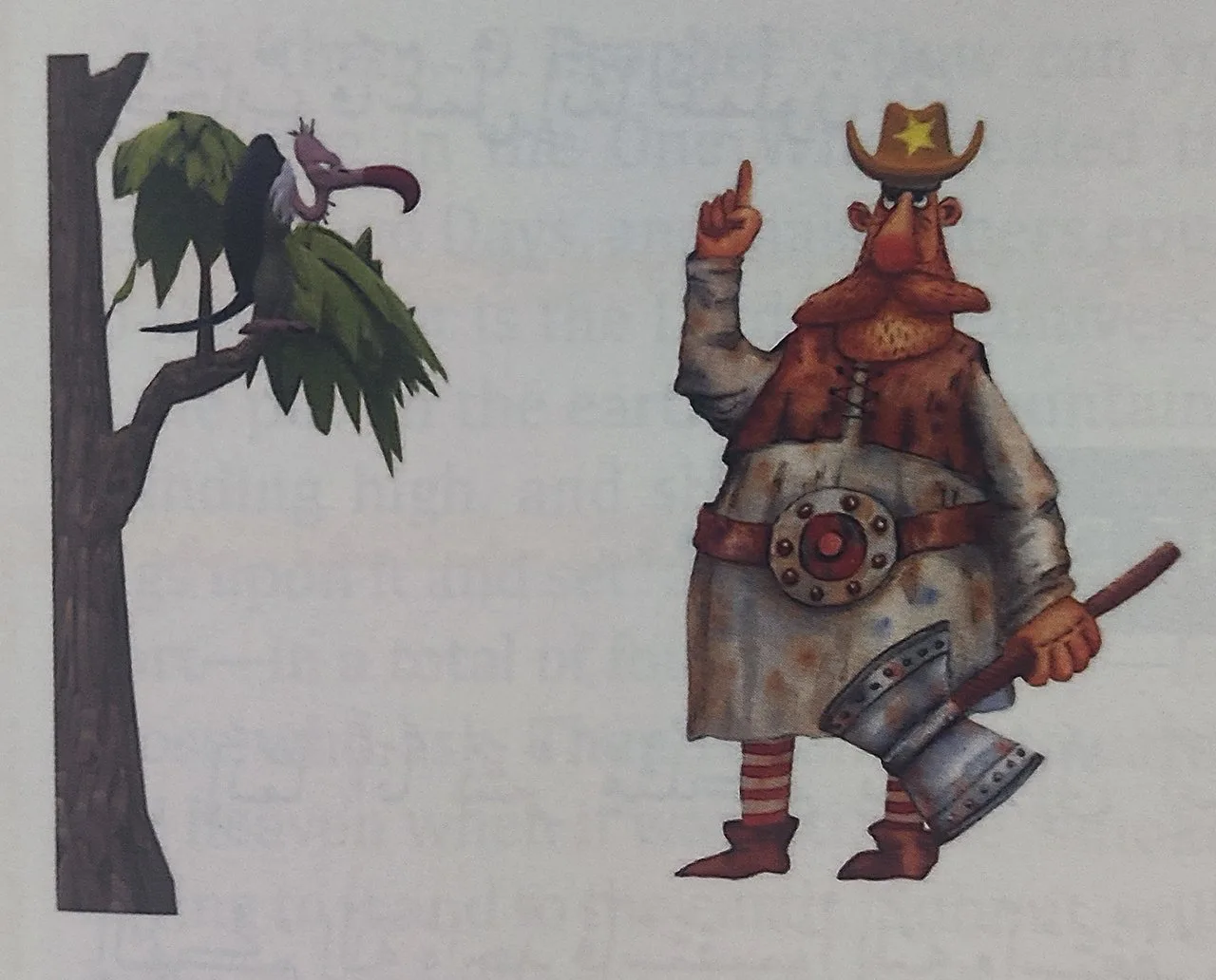
According to a fictional story, there was once a group of people who took a tree as an idol to worship.
A faithful man heard about this and decided to cut down the tree.
When he was about to hit the tree with his axe, Shaytan came to him in the form of a man and said: 'What do you think you
are doing?
' The man replied: 'I'm cutting down this tree because people are worshipping it instead of Allah.
'
- •
Shaytan said: 'Leave the tree alone.
If they worship it, it is not going to harm you.
' The man said: 'No.
Allah is not happy with what they are doing.
' Shaytan said, 'Let's fight.
' The man easily knocked him down.
Shaytan said to him with a broken voice: 'I'll make a deal with you: do not cut it, and you will find one golden `dinar` under your pillow
every morning.
' The man asked, 'Who will give it to me?
' Shaytan said: 'I promise I will.
' So the man accepted the deal and went home.
- •
Sure enough, in the morning, the man found a `dinar` under his pillow.
This went on for a month.
But one day he woke up and didn't find anything.
The man became angry and decided to cut the tree.
Once again Shaytan came to him in the form of a man and asked him: 'What do you think you are doing?
' The man said: 'I'm going to cut down this tree because people are worshipping it instead of Allah.
' Shaytan said: 'No, you are not cutting it down.
Let's fight.
' This time Shaytan knocked the man down.
- •
The man was in shock.
He asked, 'How come you beat me this time, even though I defeated you last time?
' Shaytan said, 'It's very simple.
Last time you were angry for Allah, but this time you were angry for the `dinar`!
'
THE DENIERS OF THE TRUTH
1Ha-Mim.
2This is' a revelation from the Most Kind, Most Merciful.
3'It is' a Book whose verses are perfectly explained—a Quran in Arabic for people who know,
4giving good news and warnings.
Yet most of them turn away, so they do not hear.
5They say, "Our hearts are 'fully' sealed against what you are inviting us to, there is deafness in our ears, and there is a barrier between us and
you.
So 'do whatever you want'; we too will do the same!
"
حمٓ1
تَنزِيلٞ مِّنَ ٱلرَّحۡمَٰنِ ٱلرَّحِيمِ2
كِتَٰبٞ فُصِّلَتۡ ءَايَٰتُهُۥ قُرۡءَانًا عَرَبِيّٗا لِّقَوۡمٖ يَعۡلَمُونَ3
بَشِيرٗا وَنَذِيرٗا فَأَعۡرَضَ أَكۡثَرُهُمۡ فَهُمۡ لَا يَسۡمَعُونَ4
وَقَالُواْ قُلُوبُنَا فِيٓ أَكِنَّةٖ مِّمَّا تَدۡعُونَآ إِلَيۡهِ وَفِيٓ ءَاذَانِنَا وَقۡرٞ وَمِنۢ بَيۡنِنَا وَبَيۡنِكَ حِجَابٞ فَٱعۡمَلۡ إِنَّنَا عَٰمِلُونَ5
A MESSAGE TO THE DENIERS
6Say, "O Prophet, 'I am only human like you, 'but' it has been revealed to me that your God is only One God.
So take the Straight Path towards Him, and seek His forgiveness.
And it will be horrible for the idol-worshippers
7those who do not perform zakah' and disbelieve in the Next Life.
8'But' those who believe and do good will certainly have a never-ending reward.
قُلۡ إِنَّمَآ أَنَا۠ بَشَرٞ مِّثۡلُكُمۡ يُوحَىٰٓ إِلَيَّ أَنَّمَآ إِلَٰهُكُمۡ إِلَٰهٞ وَٰحِدٞ فَٱسۡتَقِيمُوٓاْ إِلَيۡهِ وَٱسۡتَغۡفِرُوهُۗ وَوَيۡلٞ لِّلۡمُشۡرِكِينَ6
ٱلَّذِينَ لَا يُؤۡتُونَ ٱلزَّكَوٰةَ وَهُم بِٱلۡأٓخِرَةِ هُمۡ كَٰفِرُونَ7
إِنَّ ٱلَّذِينَ ءَامَنُواْ وَعَمِلُواْ ٱلصَّٰلِحَٰتِ لَهُمۡ أَجۡرٌ غَيۡرُ مَمۡنُونٖ8
WORDS OF WISDOM
- •
Someone may ask, 'If the Quran always says that Allah created the heavens and the earth in six days, how come the total in the passage below is
eight, not six days?
' To answer this question, we need to understand that this `surah` gives some details that are not mentioned in any other `surah`, such as the process of
creating the universe.
- •
Allah doesn't need time to create—He creates everything in the blink of an eye with the word 'kun' (Be!
).
However, when the order came, the universe developed over six heavenly days (not our 24-hour days).
The earth developed in two days, and then resources developed in four days from the beginning of the creation (including the first two days) to show us that
the development was continuous, not interrupted.
- •
The heavens were formed into seven heavens in two days.
So Allah developed the creation of the heavens and the earth in a total of six heavenly days, not eight.
A QUESTION TO THE DENIERS
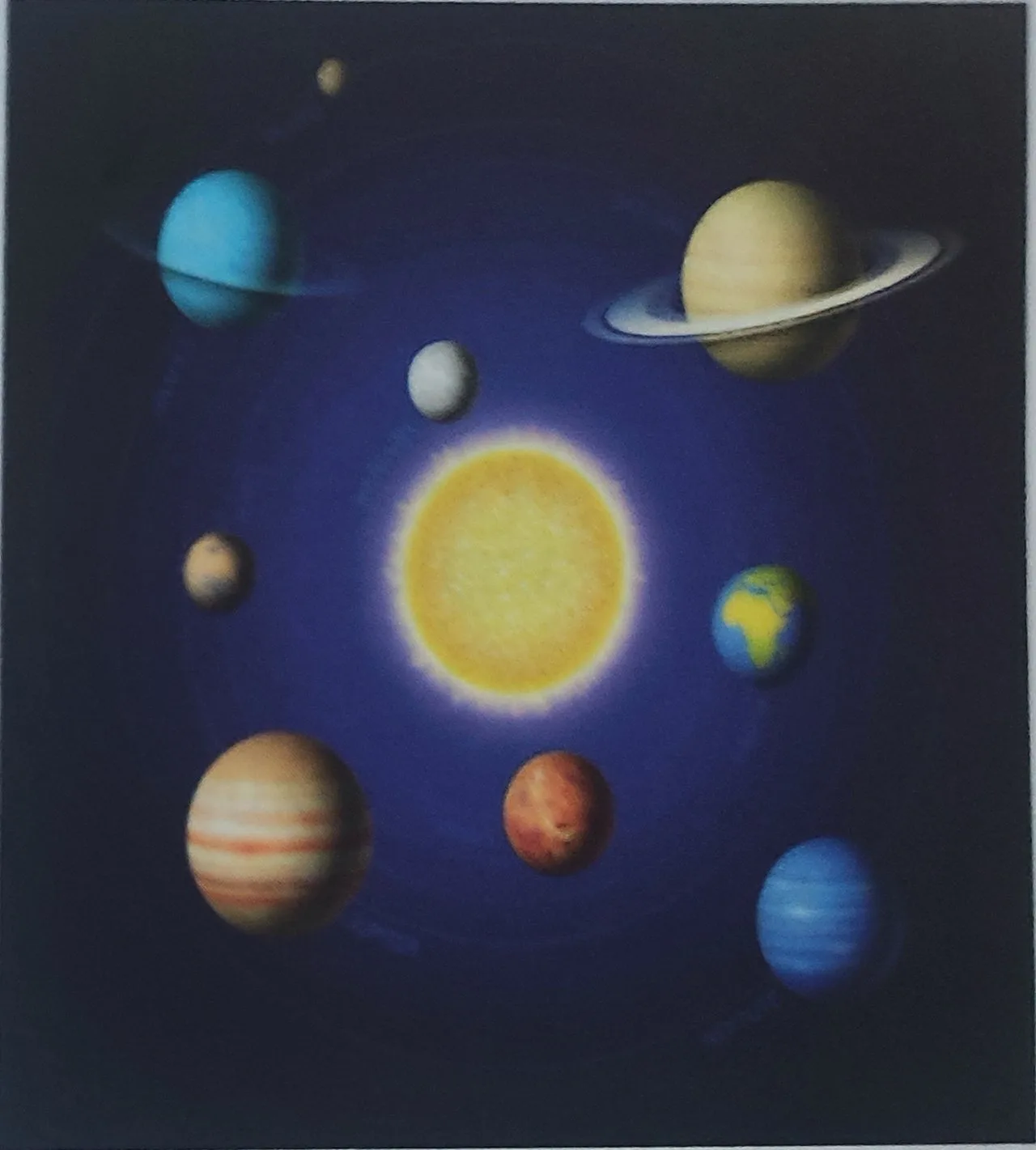
9Ask 'them, O Prophet', "How can you disbelieve in the One Who created the earth in two Days, and make others equal to Him?
That is the Lord of the universe.
10He put on the earth stable mountains, standing high, and showered His blessings upon it and set 'all' its means of support—in a total of four Days exactly—for
those who ask.
11Then He turned towards the heaven when it was 'still like' smoke, saying to it and to the earth, 'Submit, willingly or unwillingly.
' They both replied, "We submit willingly.
"
12So He formed the heaven into seven heavens in two Days, giving each heaven its own function.
And We decorated the lowest heaven with 'stars like' lamps 'for beauty' and for protection.
' That is the design of the Almighty, with perfect knowledge.
"
قُلۡ أَئِنَّكُمۡ لَتَكۡفُرُونَ بِٱلَّذِي خَلَقَ ٱلۡأَرۡضَ فِي يَوۡمَيۡنِ وَتَجۡعَلُونَ لَهُۥٓ أَندَادٗاۚ ذَٰلِكَ رَبُّ ٱلۡعَٰلَمِينَ9
وَجَعَلَ فِيهَا رَوَٰسِيَ مِن فَوۡقِهَا وَبَٰرَكَ فِيهَا وَقَدَّرَ فِيهَآ أَقۡوَٰتَهَا فِيٓ أَرۡبَعَةِ أَيَّامٖ سَوَآءٗ لِّلسَّآئِلِينَ10
ثُمَّ ٱسۡتَوَىٰٓ إِلَى ٱلسَّمَآءِ وَهِيَ دُخَانٞ فَقَالَ لَهَا وَلِلۡأَرۡضِ ٱئۡتِيَا طَوۡعًا أَوۡ كَرۡهٗا قَالَتَآ أَتَيۡنَا طَآئِعِينَ11
فَقَضَىٰهُنَّ سَبۡعَ سَمَٰوَاتٖ فِي يَوۡمَيۡنِ وَأَوۡحَىٰ فِي كُلِّ سَمَآءٍ أَمۡرَهَاۚ وَزَيَّنَّا ٱلسَّمَآءَ ٱلدُّنۡيَا بِمَصَٰبِيحَ وَحِفۡظٗاۚ ذَٰلِكَ تَقۡدِيرُ ٱلۡعَزِيزِ ٱلۡعَلِيمِ12
'AD AND THAMUD DESTROYED
13If they turn away, say, "O Prophet, 'I warn you of a 'mighty' blast, like the one that hit 'Ad and Thamud.
"
14The messengers approached them from every possible way, 'declaring, "Worship no one but Allah.
" They argued, "If our Lord wanted, He could have easily sent down angels 'instead'.
So we totally reject what you have been sent with.
"
15As for 'Ad, they acted arrogantly throughout the land with no right, bragging, "Who is stronger than us?
" Did they not see that Allah 'Himself,' Who created them, was much stronger than them?
Still they continued rejecting Our signs.
16So We sent against them a wild wind for 'several' miserable days, to make them taste a humiliating punishment in this life.
But the punishment of the Next Life will be far more humiliating.
And they will not be helped.
17As for Thamud, We showed them true guidance, but they preferred blindness over guidance.
So the blast of a humiliating punishment hit them for what they used to do.
18And We saved those who had faith and kept Allah in mind.
فَإِنۡ أَعۡرَضُواْ فَقُلۡ أَنذَرۡتُكُمۡ صَٰعِقَةٗ مِّثۡلَ صَٰعِقَةِ عَادٖ وَثَمُودَ13
إِذۡ جَآءَتۡهُمُ ٱلرُّسُلُ مِنۢ بَيۡنِ أَيۡدِيهِمۡ وَمِنۡ خَلۡفِهِمۡ أَلَّا تَعۡبُدُوٓاْ إِلَّا ٱللَّهَۖ قَالُواْ لَوۡ شَآءَ رَبُّنَا لَأَنزَلَ مَلَٰٓئِكَةٗ فَإِنَّا بِمَآ أُرۡسِلۡتُم بِهِۦ كَٰفِرُونَ14
فَأَمَّا عَادٞ فَٱسۡتَكۡبَرُواْ فِي ٱلۡأَرۡضِ بِغَيۡرِ ٱلۡحَقِّ وَقَالُواْ مَنۡ أَشَدُّ مِنَّا قُوَّةًۖ أَوَ لَمۡ يَرَوۡاْ أَنَّ ٱللَّهَ ٱلَّذِي خَلَقَهُمۡ هُوَ أَشَدُّ مِنۡهُمۡ قُوَّةٗۖ وَكَانُواْ بَِٔايَٰتِنَا يَجۡحَدُونَ15
فَأَرۡسَلۡنَا عَلَيۡهِمۡ رِيحٗا صَرۡصَرٗا فِيٓ أَيَّامٖ نَّحِسَاتٖ لِّنُذِيقَهُمۡ عَذَابَ ٱلۡخِزۡيِ فِي ٱلۡحَيَوٰةِ ٱلدُّنۡيَاۖ وَلَعَذَابُ ٱلۡأٓخِرَةِ أَخۡزَىٰۖ وَهُمۡ لَا يُنصَرُونَ16
وَأَمَّا ثَمُودُ فَهَدَيۡنَٰهُمۡ فَٱسۡتَحَبُّواْ ٱلۡعَمَىٰ عَلَى ٱلۡهُدَىٰ فَأَخَذَتۡهُمۡ صَٰعِقَةُ ٱلۡعَذَابِ ٱلۡهُونِ بِمَا كَانُواْ يَكۡسِبُونَ17
وَنَجَّيۡنَا ٱلَّذِينَ ءَامَنُواْ وَكَانُواْ يَتَّقُونَ18
BACKGROUND STORY
- •
On Judgment Day, when the wicked see their evil deeds in their books, they will protest that the angels have written things they didn't do!
They already know they did these sins, but they just want to save themselves from the horrible punishment of the Fire.
- •
Allah will ask them, 'Are you sure you didn't do these things?
' The wicked will reply, 'Of course, we didn't!
' Then Allah will ask them, 'Let's ask your neighbors.
' The wicked will say, 'No, they are all liars.
' Allah will ask again, 'What about your families and relatives?
' They will say, 'They are liars too.
' Allah will ask, 'Who then do you accept as witnesses?
' They will reply, 'We only accept witnesses from ourselves.
'
- •
Then Allah will seal their mouths so they can't talk anymore.
Then their own organs will speak against them, and the wicked will be thrown in the Fire.
ORGANS SPEAK OUT
19'Consider' the Day when' the enemies of Allah will be gathered for the Fire, all driven in lines.
20When they reach it, their ears, eyes, and skin will tell 'everything' they did.
21They will ask their skin 'angrily', "Why did you speak out against us?
" It will say, "We were made to speak by Allah, Who causes all things to speak.
He is the One Who' created you the first time, and now you have been sent back to Him.
22You did not 'even bother to' hide yourselves from your ears, eyes, and skin to stop them from speaking against you.
Instead, you assumed that Allah did not know much of what you were doing.
23It was that 'false' assumption you made about your Lord that has doomed you, so you became losers.
"
24Even if they show patience, the Fire will 'always' be their home.
And if they 'beg to' apologize 'to their Lord', they will never be allowed to.
وَيَوۡمَ يُحۡشَرُ أَعۡدَآءُ ٱللَّهِ إِلَى ٱلنَّارِ فَهُمۡ يُوزَعُونَ19
حَتَّىٰٓ إِذَا مَا جَآءُوهَا شَهِدَ عَلَيۡهِمۡ سَمۡعُهُمۡ وَأَبۡصَٰرُهُمۡ وَجُلُودُهُم بِمَا كَانُواْ يَعۡمَلُونَ20
وَقَالُواْ لِجُلُودِهِمۡ لِمَ شَهِدتُّمۡ عَلَيۡنَاۖ قَالُوٓاْ أَنطَقَنَا ٱللَّهُ ٱلَّذِيٓ أَنطَقَ كُلَّ شَيۡءٖۚ وَهُوَ خَلَقَكُمۡ أَوَّلَ مَرَّةٖ وَإِلَيۡهِ تُرۡجَعُونَ21
وَمَا كُنتُمۡ تَسۡتَتِرُونَ أَن يَشۡهَدَ عَلَيۡكُمۡ سَمۡعُكُمۡ وَلَآ أَبۡصَٰرُكُمۡ وَلَا جُلُودُكُمۡ وَلَٰكِن ظَنَنتُمۡ أَنَّ ٱللَّهَ لَا يَعۡلَمُ كَثِيرٗا مِّمَّا تَعۡمَلُونَ22
وَذَٰلِكُمۡ ظَنُّكُمُ ٱلَّذِي ظَنَنتُم بِرَبِّكُمۡ أَرۡدَىٰكُمۡ فَأَصۡبَحۡتُم مِّنَ ٱلۡخَٰسِرِينَ23
فَإِن يَصۡبِرُواْ فَٱلنَّارُ مَثۡوٗى لَّهُمۡۖ وَإِن يَسۡتَعۡتِبُواْ فَمَا هُم مِّنَ ٱلۡمُعۡتَبِينَ24
BACKGROUND STORY
- •
Allah challenged the idol-worshippers to make something like the Quran or at least find a mistake in it.
But they failed miserably.
They knew that they couldn't challenge the Quran with logic.
But they had a big problem: many people were touched by the Prophet's (ﷺ) recitation and ended up accepting Islam.
To make sure his recitation didn't reach people's ears (and eventually, their hearts), they told each other not to listen to the Quran.
- •
They used various tactics, such as making lots of noise so nobody could hear it, shouting at Muhammad (ﷺ) so he couldn't focus on what he was reciting,
making fun of his recitation, clapping and whistling, and swearing at him and the Quran.
WORDS OF WISDOM
- •
The Quran touches the heart.
This is why there are many stories of people who accepted Islam after listening to some verses or even one verse.
For example, 'Othman ibn Maz'oon (R.
A.
) said that Islam entered his heart when he heard verse 16:90 from the Prophet (ﷺ).
- •
As we mentioned in Surah 52, Jubair ibn Mut'im (R.
A.
) was not a Muslim when he first heard the Prophet (ﷺ) recite verses 35-36 in `salah`.
He said that he was so touched by these verses that his heart almost jumped out of his chest.
Finally, he accepted Islam.
- •
'Omar ibn Al-Khattab (R.
A.
) accepted Islam after reading a few verses from the beginning of Surah 20.
At-Tufail ibn 'Amr (R.
A.
) accepted Islam because of Surahs 112, 113, and 114.
Even a group of `jinn` accepted Islam as soon as they heard the Prophet (ﷺ) recite some verses of the Quran, according to Surah 72.
- •
Allah tells us that if we want the Quran to touch our hearts, then we have to listen carefully and think about its great message and wisdom (50:37).
SIDE STORY
- •
A few years ago, I received a message from an American guy that I didn't know.
He said he and his wife always attacked Islam.
One day, he was challenged by a Muslim brother who told him, 'You have been attacking the Quran all the time.
But have you actually read the Quran?
' He replied, 'No.
I've just read some things about it online.
'
- •
The brother gave him an English translation of the Quran.
He started to read it with his wife and eventually they both accepted Islam, `alhamdulillah`.
He sent me that message to say that the translation he got from the brother was The Clear Quran.
He said that he and his wife were now teaching others about the beauty of Islam.
SIDE STORY
- •
This is a true story that was told by another Imam.
Many years ago, one of his relatives in Egypt had to go to the doctor for an ear infection.
The doctor examined his ear and gave him pills to take every eight hours.
The patient was told to come back in three days for a follow-up.
However, he came back the next morning with terrible pain.
He told the doctor that when he took the first pill, it hurt so bad.
When he took the second one, his pain got worse.
And when he took the third one, the pain kept him up all night.
- •
The doctor felt sorry for him and said, 'Let me examine your ear.
' The doctor was surprised to see the three pills stuffed in the patient's ear!
Even though the doctor had given the patient the right medicine, the patient used it the wrong way.

WORDS OF WISDOM
- •
Someone may ask, 'You mentioned the stories of the people who accepted Islam because of one verse or a few verses.
How can we connect with the Quran the way they did?
' Now, you might have laughed when you read the story about the patient who used the medicine the wrong way.
Believe it or not, many of us do the same thing with the Quran.
- •
Allah says (17:82) that He revealed the Quran for `shifa` (healing).
This means that the Quran can fix all of our problems.
It covers all aspects of life for the individual, family, or society.
The problem is that many people treat the Quran as a book of the dead, only reading or listening to it when someone dies, even though Allah says
in Surah Ya-Sin that the Quran is for 'those who are truly alive' (36:70).
- •
Some people put a copy of the Quran in their car, thinking it will protect them against theft and accidents.
Some frame verses in calligraphy and hang them on the wall just to make their living rooms look nice.
And some open random pages and make a decision based on the first verse they see.
- •
But this is not the reason why Allah revealed the Quran to His final messenger (ﷺ).
Our duty is to have a personal connection with the Book of Allah by reading and understanding it, memorizing it if we can, reflecting on it, and applying
it to our lives.
WHY THE WICKED ARE DOOMED
25We assigned for them 'evil' partners who made their past and future 'sins' look good to them.
So they deserved to be doomed like other 'wicked' communities of jinn and humans before them—they were truly losers.
26The disbelievers advised 'each other', "Do not listen to this Quran but make some noise when it is recited' so that you may win.
"
27So We will certainly make the disbelievers taste a severe punishment, and We will surely pay them back according to the worst of their deeds.
28That is the punishment of Allah's enemies: the Fire, which will be their eternal home—a 'fitting' punishment for rejecting Our revelations.
29The disbelievers will 'then' cry, "Our Lord!
Show us those 'evil' jinn and humans who led us away: we will put them under our feet so they will be among the lowest of the low
'in Hell'.
"
وَقَيَّضۡنَا لَهُمۡ قُرَنَآءَ فَزَيَّنُواْ لَهُم مَّا بَيۡنَ أَيۡدِيهِمۡ وَمَا خَلۡفَهُمۡ وَحَقَّ عَلَيۡهِمُ ٱلۡقَوۡلُ فِيٓ أُمَمٖ قَدۡ خَلَتۡ مِن قَبۡلِهِم مِّنَ ٱلۡجِنِّ وَٱلۡإِنسِۖ إِنَّهُمۡ كَانُواْ خَٰسِرِينَ25
وَقَالَ ٱلَّذِينَ كَفَرُواْ لَا تَسۡمَعُواْ لِهَٰذَا ٱلۡقُرۡءَانِ وَٱلۡغَوۡاْ فِيهِ لَعَلَّكُمۡ تَغۡلِبُونَ26
فَلَنُذِيقَنَّ ٱلَّذِينَ كَفَرُواْ عَذَابٗا شَدِيدٗا وَلَنَجۡزِيَنَّهُمۡ أَسۡوَأَ ٱلَّذِي كَانُواْ يَعۡمَلُونَ27
ذَٰلِكَ جَزَآءُ أَعۡدَآءِ ٱللَّهِ ٱلنَّارُۖ لَهُمۡ فِيهَا دَارُ ٱلۡخُلۡدِ جَزَآءَۢ بِمَا كَانُواْ بَِٔايَٰتِنَا يَجۡحَدُونَ28
وَقَالَ ٱلَّذِينَ كَفَرُواْ رَبَّنَآ أَرِنَا ٱلَّذَيۡنِ أَضَلَّانَا مِنَ ٱلۡجِنِّ وَٱلۡإِنسِ نَجۡعَلۡهُمَا تَحۡتَ أَقۡدَامِنَا لِيَكُونَا مِنَ ٱلۡأَسۡفَلِينَ29
REWARD OF THE BELIEVERS
30Surely those who say, "Our Lord is Allah," and then stay true in faith, the angels come down to them, 'saying, "Do not fear or worry.
Instead, be excited for the good news of Jannah, which you have been promised.
31We are your supporters in this life and in the Next Life.
There you will have whatever you want, and there you will have whatever you ask for—
32a welcoming stay from the Forgiving and Merciful Lord.
"
إِنَّ ٱلَّذِينَ قَالُواْ رَبُّنَا ٱللَّهُ ثُمَّ ٱسۡتَقَٰمُواْ تَتَنَزَّلُ عَلَيۡهِمُ ٱلۡمَلَٰٓئِكَةُ أَلَّا تَخَافُواْ وَلَا تَحۡزَنُواْ وَأَبۡشِرُواْ بِٱلۡجَنَّةِ ٱلَّتِي كُنتُمۡ تُوعَدُونَ30
نَحۡنُ أَوۡلِيَآؤُكُمۡ فِي ٱلۡحَيَوٰةِ ٱلدُّنۡيَا وَفِي ٱلۡأٓخِرَةِۖ وَلَكُمۡ فِيهَا مَا تَشۡتَهِيٓ أَنفُسُكُمۡ وَلَكُمۡ فِيهَا مَا تَدَّعُونَ31
نُزُلٗا مِّنۡ غَفُورٖ رَّحِيمٖ32
WORDS OF WISDOM
- •
The Prophet (ﷺ) knew and understood people, and he spoke to them in a way that was perfect for them.
This must have required a lot of skill, wisdom, and patience.
In his famous book, 'How to Win Friends and Influence People,' American educator Dale Carnegie offers a tip: when he goes fishing, he baits the hook with worms,
not with strawberries and cream, offering the fish what they want, not what he himself wants.
He then asks, 'Why not use the same common sense when fishing for people?
'
- •
In 2003, when I read this book for the first time, I immediately realized that the Prophet (ﷺ) did the same things 1,250 years before Carnegie was even
born.
For example, the Prophet (ﷺ) smiled, listened, and spoke with a positive attitude.
He connected with people on a personal level and praised them.
He understood their background and put himself in their shoes.
He made it clear that he wanted the best for them, not his own personal gains.
- •
He cared about others.
They say, 'People don't care how much you know, until they know how much you care.
' He spoke to them in a way they could understand and relate to, spoke to their hearts, not just their ears, led by example, was generous, responded
to evil with good, stood up for what he believed in, was kind even when he corrected people, and gave people hope.
SIDE STORY
- •
One of the great qualities of the Prophet (ﷺ) is that he turned many enemies into friends, but never turned a friend into an enemy.
You will be amazed when you read the books of `sirah` (the Prophet's life story) and how those who tried to kill him ended up defending him with
their lives after accepting his message!
- •
'Omar ibn Al-Khattab (R.
A.
) wanted to kill the Prophet (ﷺ), but became one of the greatest Muslims.
Abu Sufyan was one of the biggest enemies of the Prophet (ﷺ) for over 20 years, then he accepted Islam and lost his eyes in two different battles
to defend Islam.
'Ikrimah (son of Abu Jahl, who was compared to Pharaoh) was another big enemy of the Prophet (ﷺ).
Then he died a `shahid` at the Battle of Yarmouk.
- •
Khalid (son of Al-Walid ibn Al-Mugheirah, another big enemy of the Prophet (ﷺ)), who led wars against the Muslims in Madinah, then ended up accepting Islam and leading
the Muslim army for many years.
As a military leader who never lost any battle, Khalid was the main reason why Muslims didn't win at Uhud.
He accepted Islam because the Prophet (ﷺ) said something good about him, when he told Al-Walid (Khalid's Muslim brother): 'I'm really surprised that an intelligent person like
Khalid hasn't been able to see the truth of Islam.
If he comes to me, I'll honour him.
' The same was also true for 'Amr ibn Al-'As, Suhail ibn 'Amr, and many others.
SIDE STORY
- •
In his famous book, 'The 7 Habits of Highly Effective People,' Steven Covey tells an interesting story that happened on a subway car one Sunday in New York.
The car was very quiet and peaceful.
Suddenly, a man and his little kids entered the subway.
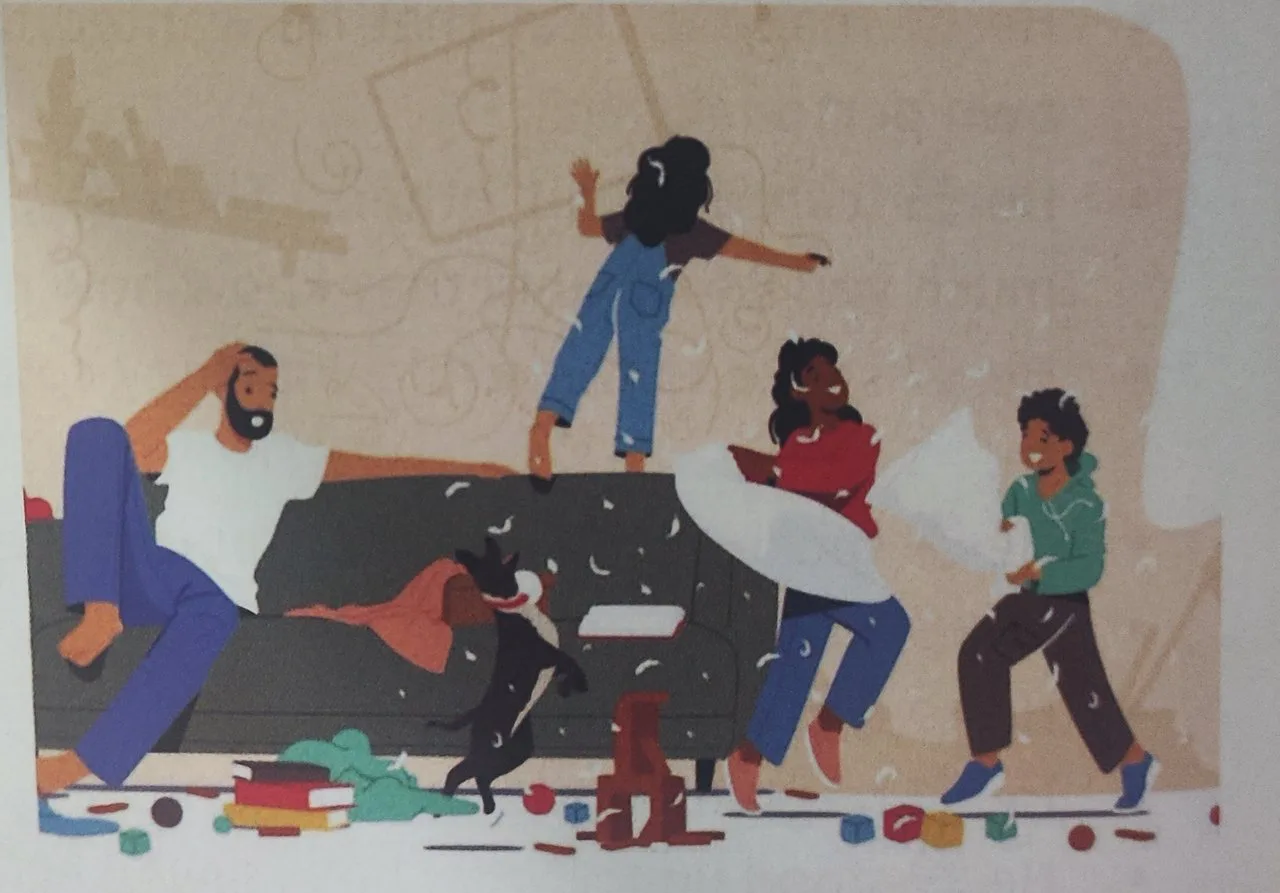
The children were very loud and hyperactive.
The man sat down next to Steven and closed his eyes.
The kids were yelling back and forth, throwing things, and even grabbing people's newspapers.
It was very disturbing.
And yet the father did nothing.
Steven was very angry, like everybody else in the car.
He felt the man was careless and irresponsible.
- •
Eventually, when Steven couldn't take it anymore, he turned to that careless man and exploded: 'Sir, your children are really disturbing a lot of people.
I wonder if you couldn't control them a little more?
' The man opened his eyes and said softly, 'Oh, you're right.
I guess I should do something about it.
We just came from the hospital where their mother died about an hour ago.
I don't know what to do, and I guess they don't know how to handle it either.
'
- •
Can you imagine what Steven felt at that moment?
He said he suddenly started to feel differently towards that man.
His heart was quickly filled with that man's pain.
His anger was replaced with sympathy.
He no longer worried about how uncomfortable other people were because of those kids.
He said gently, 'Your wife just died?
Oh, I'm so sorry!
Can you tell me about it?
What can I do to help?
' Everything changed in one second just because they spoke with each other.
WORDS OF WISDOM
- •
Verse 33 speaks highly of those who call others to believe in Allah.
To be able to teach non-Muslims about Islam, keep the following points in mind: There is only One True God, one humanity, and one message that was delivered
by all prophets.
Every prophet said the same thing: have faith in One God and do good.
This message is called 'Islam.
'
- •
Our job is to convey (deliver) the message of Islam, not to convert (force) others.
It's Allah who guides, not us.
Islam is a way of life, not just something people say or do at their place of worship for half an hour every week.
Islam deals with your life in this world and the Next, your relationship with your Creator and His creation, your family, school, business, marriage, health, wealth, and everything
in your life.
We are here to please Allah, not just to have fun.
This explains why we pray, give charity, tell the truth, and avoid certain things like pork, alcohol, gambling, cheating, and drugs.
- •
So when someone asks me about 'pork,' I tell them about the purpose of my life first before I tell them why pork is `haram`.
In other words, I give them the full picture, not just a small pixel.
Otherwise, they will keep jumping from one question to another.
Our actions and choices in this life will decide where we will be in the next life.
We should show people what it means to be Muslim with our manners.
Actions speak louder than words.
Being nice is not enough for people to figure out the teachings of Islam on their own.
It's important to share what Muslims believe.
- •
There are four things that we need to focus on when we teach others about Islam: 1.
The fact that God exists.
This universe proves the existence of a Master Designer and Creator.
In physics, we know that you can't get something from nothing or order from disorder.
2.
The fact that God is One.
As we mentioned in Surah 31, Allah proves that He is One and Unique in many different ways.
3.
The fact that this God (Who has taken care of our physical needs by giving us water to drink and food to eat) takes care of our souls
by sending us revelations.
Those revelations teach us the purpose of our existence and how to live a good life.
We need a higher authority to guide our decisions.
4.
The fact that Allah doesn't talk to us directly, so He chose the best people to be His prophets and deliver His message to us.
A total of 124,000 prophets were sent, from Adam (A.
S.
) to Muhammad (ﷺ).
Every prophet came to his own people, but Muhammad (ﷺ) came as the final messenger to all of humanity.
His teachings are based on wisdom, justice, and common sense.

THE TRUE BELIEVERS
33And whose words are better than someone who calls others to Allah, does good, and says, "I am truly one of the Muslims.
"?
`
34Good and evil cannot be equal.
Respond 'to evil' with what is best, then the one you have issues with will be like a close friend.
35But this cannot be achieved except by those who are patient and who are truly fortunate.
36And if Satan whispers to you, then seek protection in Allah.
Surely He 'alone' hears and knows 'everything'.
وَمَنۡ أَحۡسَنُ قَوۡلٗا مِّمَّن دَعَآ إِلَى ٱللَّهِ وَعَمِلَ صَٰلِحٗا وَقَالَ إِنَّنِي مِنَ ٱلۡمُسۡلِمِينَ33
وَلَا تَسۡتَوِي ٱلۡحَسَنَةُ وَلَا ٱلسَّيِّئَةُۚ ٱدۡفَعۡ بِٱلَّتِي هِيَ أَحۡسَنُ فَإِذَا ٱلَّذِي بَيۡنَكَ وَبَيۡنَهُۥ عَدَٰوَةٞ كَأَنَّهُۥ وَلِيٌّ حَمِيمٞ34
وَمَا يُلَقَّىٰهَآ إِلَّا ٱلَّذِينَ صَبَرُواْ وَمَا يُلَقَّىٰهَآ إِلَّا ذُو حَظٍّ عَظِيمٖ35
وَإِمَّا يَنزَغَنَّكَ مِنَ ٱلشَّيۡطَٰنِ نَزۡغٞ فَٱسۡتَعِذۡ بِٱللَّهِۖ إِنَّهُۥ هُوَ ٱلسَّمِيعُ ٱلۡعَلِيمُ36
How to study Surah Fuṣṣilat with children
Use this children's lesson as a guided path: read the short explanation, look at the Arabic verse, listen to related recitation, and return to the full surah when
your child is ready for more detail.
Parents can review one section at a time, ask the child to repeat the main idea, and then continue with the next part or a nearby surah.
This keeps the lesson connected with Quran reading, audio, and daily practice.