Women
An-Nisâ'
النِّسَاء
Surah An-Nisâ' for kids content
ADVICE TO THE MUSLIM ARMY
71O believers!
Be cautious, marching either in groups or all together.
72There will be some 'hypocrites' among you who will hang back so that if you suffer a loss, they will brag, "Allah has blessed us for not being
out there with them.
"
73But if you return with Allah's favours, they will whine—as if they had nothing to do with you—"Oh no!
We wish we had been there with those people just to share the great gains!
"
يَٰٓأَيُّهَا ٱلَّذِينَ ءَامَنُواْ خُذُواْ حِذۡرَكُمۡ فَٱنفِرُواْ ثُبَاتٍ أَوِ ٱنفِرُواْ جَمِيعٗا71
وَإِنَّ مِنكُمۡ لَمَن لَّيُبَطِّئَنَّ فَإِنۡ أَصَٰبَتۡكُم مُّصِيبَةٞ قَالَ قَدۡ أَنۡعَمَ ٱللَّهُ عَلَيَّ إِذۡ لَمۡ أَكُن مَّعَهُمۡ شَهِيدٗا72
وَلَئِنۡ أَصَٰبَكُمۡ فَضۡلٞ مِّنَ ٱللَّهِ لَيَقُولَنَّ كَأَن لَّمۡ تَكُنۢ بَيۡنَكُمۡ وَبَيۡنَهُۥ مَوَدَّةٞ يَٰلَيۡتَنِي كُنتُ مَعَهُمۡ فَأَفُوزَ فَوۡزًا عَظِيمٗا73
FIGHTING AGAINST ABUSE
74Let those who are willing to trade this life for the Next fight in the cause of Allah.
And whoever fights in Allah's cause—whether they lose their life or achieve victory—We will honour them with a great reward.
75And why could you not fight in the cause of Allah and for oppressed men, women, and children who cry out, "Our Lord!
Save us from this land of abusers!
Send someone to protect us, send someone to help us—all by Your mercy.
'?
76Believers fight for the cause of Allah, whereas disbelievers fight for the cause of the Devil.
So fight against Satan's evil forces.
Indeed, Satan's planning is always weak.
فَلۡيُقَٰتِلۡ فِي سَبِيلِ ٱللَّهِ ٱلَّذِينَ يَشۡرُونَ ٱلۡحَيَوٰةَ ٱلدُّنۡيَا بِٱلۡأٓخِرَةِۚ وَمَن يُقَٰتِلۡ فِي سَبِيلِ ٱللَّهِ فَيُقۡتَلۡ أَوۡ يَغۡلِبۡ فَسَوۡفَ نُؤۡتِيهِ أَجۡرًا عَظِيمٗا74
وَمَا لَكُمۡ لَا تُقَٰتِلُونَ فِي سَبِيلِ ٱللَّهِ وَٱلۡمُسۡتَضۡعَفِينَ مِنَ ٱلرِّجَالِ وَٱلنِّسَآءِ وَٱلۡوِلۡدَٰنِ ٱلَّذِينَ يَقُولُونَ رَبَّنَآ أَخۡرِجۡنَا مِنۡ هَٰذِهِ ٱلۡقَرۡيَةِ ٱلظَّالِمِ أَهۡلُهَا وَٱجۡعَل لَّنَا مِن لَّدُنكَ وَلِيّٗا وَٱجۡعَل لَّنَا مِن لَّدُنكَ نَصِيرًا75
ٱلَّذِينَ ءَامَنُواْ يُقَٰتِلُونَ فِي سَبِيلِ ٱللَّهِۖ وَٱلَّذِينَ كَفَرُواْ يُقَٰتِلُونَ فِي سَبِيلِ ٱلطَّٰغُوتِ فَقَٰتِلُوٓاْ أَوۡلِيَآءَ ٱلشَّيۡطَٰنِۖ إِنَّ كَيۡدَ ٱلشَّيۡطَٰنِ كَانَ ضَعِيفًا76

BACKGROUND STORY
- •
Before moving to Madinah, many early Muslims kept asking the Prophet to allow them to fight against their Makkan enemies.
But he told them that he had not yet received an order to fight back.
Instead, he advised them to focus on building a stronger relationship with Allah.
Finally, when the order came to fight after moving to Madinah, some were not interested in fighting for self-defence.
(Imam An-Nasa'i)
THOSE WHO LOST COURAGE
77Have you 'O Prophet' not seen those who had been told, "Do not fight!
Instead, pray ṣalah and pay zakah for now"?
Then when the order came to fight, a group of them feared their enemy as Allah should be feared, or even more.
They started whining, "Our Lord!
Why have You ordered us to fight?
If only You had delayed 'this order' for a little while!
" Say, 'O Prophet,' "The enjoyment of this world is so little, whereas the Next Life is far better for those who keep Allah in mind.
And none of you will be wronged even one tiny bit.
"
أَلَمۡ تَرَ إِلَى ٱلَّذِينَ قِيلَ لَهُمۡ كُفُّوٓاْ أَيۡدِيَكُمۡ وَأَقِيمُواْ ٱلصَّلَوٰةَ وَءَاتُواْ ٱلزَّكَوٰةَ فَلَمَّا كُتِبَ عَلَيۡهِمُ ٱلۡقِتَالُ إِذَا فَرِيقٞ مِّنۡهُمۡ يَخۡشَوۡنَ ٱلنَّاسَ كَخَشۡيَةِ ٱللَّهِ أَوۡ أَشَدَّ خَشۡيَةٗۚ وَقَالُواْ رَبَّنَا لِمَ كَتَبۡتَ عَلَيۡنَا ٱلۡقِتَالَ لَوۡلَآ أَخَّرۡتَنَآ إِلَىٰٓ أَجَلٖ قَرِيبٖۗ قُلۡ مَتَٰعُ ٱلدُّنۡيَا قَلِيلٞ وَٱلۡأٓخِرَةُ خَيۡرٞ لِّمَنِ ٱتَّقَىٰ وَلَا تُظۡلَمُونَ فَتِيلًا77
IT IS ALL WRITTEN
78Wherever you may be, death will reach you—even if you were in massive towers.
When something good happens to them, those 'hypocrites' say, "This is from Allah," but when something bad happens to them, they say, "This is because of you 'O
Prophet'!
" Say, "Both have been written by Allah.
" So what is the matter with these people?
They can hardly understand anything!
79Whatever good happens to you 'people' is from Allah, and whatever bad happens to you is from yourselves.
We have sent you 'O Prophet' as a messenger to all people.
And Allah is enough as a Witness.
أَيۡنَمَا تَكُونُواْ يُدۡرِككُّمُ ٱلۡمَوۡتُ وَلَوۡ كُنتُمۡ فِي بُرُوجٖ مُّشَيَّدَةٖۗ وَإِن تُصِبۡهُمۡ حَسَنَةٞ يَقُولُواْ هَٰذِهِۦ مِنۡ عِندِ ٱللَّهِۖ وَإِن تُصِبۡهُمۡ سَيِّئَةٞ يَقُولُواْ هَٰذِهِۦ مِنۡ عِندِكَۚ قُلۡ كُلّٞ مِّنۡ عِندِ ٱللَّهِۖ فَمَالِ هَٰٓؤُلَآءِ ٱلۡقَوۡمِ لَا يَكَادُونَ يَفۡقَهُونَ حَدِيثٗا78
مَّآ أَصَابَكَ مِنۡ حَسَنَةٖ فَمِنَ ٱللَّهِۖ وَمَآ أَصَابَكَ مِن سَيِّئَةٖ فَمِن نَّفۡسِكَۚ وَأَرۡسَلۡنَٰكَ لِلنَّاسِ رَسُولٗاۚ وَكَفَىٰ بِٱللَّهِ شَهِيدٗا79

WORDS OF WISDOM
- •
Even though the Quran was revealed over a period of 23 years to a prophet who couldn't read or write, its repeated stories and topics are perfectly consistent.
The Quran itself challenged the Makkans (who were masters of Arabic) to produce something similar to the style of the Quran or find mistakes in the Book, but
they failed to do so.
What makes the Quran unique among other holy books is that it was memorized and written down during the time of the Prophet.
Today, there are millions of Muslims throughout the world who know the Quran by heart, including many non-Arabs.
If all the books in the world were destroyed, only the Quran would survive because it could be easily rewritten, word for word, from memory.
Verse 82 confirms that the Quran is consistent because it's from Allah.
Other prophets like Musa (Moses), Dawood (David), and 'Isa (Jesus) also received revelations from God.
However, those revelations were written and edited over many centuries by different people, resulting in countless changes and mistakes.
This explains why there are different versions of the Bible that are not identical.

WORDS OF WISDOM
- •
Someone may ask, 'If the Quran is consistent, how do you explain the concept of Qira'at?
' This is a technical question that can be answered in different ways.
To keep it simple, consider the following points: Unlike the Bible, there is only ONE version of the Quran, which is in the Arabic language.
Arab tribes spoke the same language, with slightly different dialects (styles of speaking).
When a tribe came to learn from the Prophet, he recited the Quran to them according to their style of speaking.
For example, if a tribe couldn't say, áalls wad-duha 'by the morning light' or ügoaJl al-mu'minun 'the believers' he recited these 2 words the way they said them
in their own style: lg 'wad-duhe' and gio gáll 'al-muminun.
' Those styles of recitation (known as qira'at) later spread to different parts of the Muslim world.
For example, the first style (known as Hafs) is used in many places like Egypt and Pakistan, while the second one (known as Warsh) is used in some
countries like Moroc-CO and Tunisia.
There are some other styles as well.
The meaning of those gira'at is usually the same.
Let's assume for a second that the Qu ran was revealed in English.
Even though the word water' would be recited as/woota/ by British Muslims and /wadarr/ by American Muslims, it still means the same thing.
The original script-that was written at the time of the Prophet and after him-didn't have tashkil marks (-/---) or dots.
Sometimes, a qira'ah may give another shade of meaning, mostly because of the difference in tashkil or dots.
For example, a thamar fruit' and ś thumur 'fruits' as well as b kabira 'big' and ys kathira 'much.
As you can see, each pair is identical without the tashkil and dots ( and s), so it was easy for everyone to look at the same script
and read it in their own style of recitation.

HYPOCRITES' ATTITUDE
80Whoever obeys the Messenger has in fact obeyed Allah.
But whoever turns away, then 'know that' We have not sent you 'O Prophet' as a keeper over them.
81And those 'hypocrites' say, "We obey you," but when they leave you, a bunch of them spend the night planning the opposite of what they said.
Allah records all their evil plans.
So turn away from them, and put your trust in Allah.
And Allah is enough to take care of everything.
82Do they not then think deeply about the Quran?
If it was from anyone other than Allah, they would have certainly found many conflicting things in it.
83And when they hear rumours about a victory or a threat, they publicize it.
If they referred it to the Messenger or their authorities, those with good judgment among them would have verified it.
If it was not for Allah's kindness and mercy, you would have followed Satan, except for a few 'of you'.
84So fight in the cause of Allah 'O Prophet'.
You are responsible only for yourself.
And motivate the believers to fight so perhaps Allah will stop the violence of the unfaithful 'idol-worshippers'.
And Allah is far greater in power and in punishment.
مَّن يُطِعِ ٱلرَّسُولَ فَقَدۡ أَطَاعَ ٱللَّهَۖ وَمَن تَوَلَّىٰ فَمَآ أَرۡسَلۡنَٰكَ عَلَيۡهِمۡ حَفِيظٗا80
وَيَقُولُونَ طَاعَةٞ فَإِذَا بَرَزُواْ مِنۡ عِندِكَ بَيَّتَ طَآئِفَةٞ مِّنۡهُمۡ غَيۡرَ ٱلَّذِي تَقُولُۖ وَٱللَّهُ يَكۡتُبُ مَا يُبَيِّتُونَۖ فَأَعۡرِضۡ عَنۡهُمۡ وَتَوَكَّلۡ عَلَى ٱللَّهِۚ وَكَفَىٰ بِٱللَّهِ وَكِيلًا81
أَفَلَا يَتَدَبَّرُونَ ٱلۡقُرۡءَانَۚ وَلَوۡ كَانَ مِنۡ عِندِ غَيۡرِ ٱللَّهِ لَوَجَدُواْ فِيهِ ٱخۡتِلَٰفٗا كَثِيرٗا82
وَإِذَا جَآءَهُمۡ أَمۡرٞ مِّنَ ٱلۡأَمۡنِ أَوِ ٱلۡخَوۡفِ أَذَاعُواْ بِهِۦۖ وَلَوۡ رَدُّوهُ إِلَى ٱلرَّسُولِ وَإِلَىٰٓ أُوْلِي ٱلۡأَمۡرِ مِنۡهُمۡ لَعَلِمَهُ ٱلَّذِينَ يَسۡتَنۢبِطُونَهُۥ مِنۡهُمۡۗ وَلَوۡلَا فَضۡلُ ٱللَّهِ عَلَيۡكُمۡ وَرَحۡمَتُهُۥ لَٱتَّبَعۡتُمُ ٱلشَّيۡطَٰنَ إِلَّا قَلِيلٗ83
فَقَٰتِلۡ فِي سَبِيلِ ٱللَّهِ لَا تُكَلَّفُ إِلَّا نَفۡسَكَۚ وَحَرِّضِ ٱلۡمُؤۡمِنِينَۖ عَسَى ٱللَّهُ أَن يَكُفَّ بَأۡسَ ٱلَّذِينَ كَفَرُواْۚ وَٱللَّهُ أَشَدُّ بَأۡسٗا وَأَشَدُّ تَنكِيلٗا84
WORDS OF WISDOM
- •
Verse 85 talks about doing **shafa'ah** for others, which means speaking in support of someone to benefit them or remove harm from them.
For example, if Hamzah is looking for a job, you can talk to someone to hire him if he's qualified for the job.
Also, if Zainab has been fired from her job for a small mistake, you can talk to her manager to give her a second chance.
When people ask for your help, you should be grateful that Allah has put you in a position to help others.
- •
Imagine that Allah has given you 2 options: 1.
To be blessed with the power to help others.
2.
Or to be needy and desperate for help from others.
Which option would you choose?
- •
The Prophet said, 'The people that Allah loves the most are those who are most beneficial to others.
And the best deed to Allah is when you make a Muslim happy, remove a difficulty from them, pay their debt, or feed the hungry.
I'd rather help someone with their needs than doing i'tikaf (the act of staying at a mosque for worship) at my masjid here (in Madinah) for a month.
' (Imam At-Tabarani)

SIDE STORY
- •
One day, 'Abdullah ibn 'Abbas (the Prophet's cousin) was staying at the Prophet's masjid for i'tikaf.
He noticed a man nearby with a sad face and asked him what was wrong.
The man said he couldn't pay a debt and needed more time.
Ibn 'Abbas offered to go with him to talk to the lender.
The man was surprised that the Prophet's cousin was willing to leave the masjid to do shafa'ah (intercede) for him.
Ibn 'Abbas then told the man, 'I heard the Prophet say, 'Helping others is better than doing i'tikaf at my masjid.
''
ADVICE TO THE MUSLIM COMMUNITY
85Whoever speaks in support of a good cause will have a share in the reward, and whoever speaks in support of an evil cause will have a share
in the burden.
Allah is watching over all things.
86And when you are greeted, respond with a better greeting or at least the same.
Indeed, Allah is a perfect Judge of all things.
87Allah—there is no god that deserves worship' except Him.
He will certainly gather 'all of you together on Judgment Day—about which there is no doubt.
And who could possibly be more truthful than Allah?
مَّن يَشۡفَعۡ شَفَٰعَةً حَسَنَةٗ يَكُن لَّهُۥ نَصِيبٞ مِّنۡهَاۖ وَمَن يَشۡفَعۡ شَفَٰعَةٗ سَيِّئَةٗ يَكُن لَّهُۥ كِفۡلٞ مِّنۡهَاۗ وَكَانَ ٱللَّهُ عَلَىٰ كُلِّ شَيۡءٖ مُّقِيتٗا85
وَإِذَا حُيِّيتُم بِتَحِيَّةٖ فَحَيُّواْ بِأَحۡسَنَ مِنۡهَآ أَوۡ رُدُّوهَآۗ إِنَّ ٱللَّهَ كَانَ عَلَىٰ كُلِّ شَيۡءٍ حَسِيبًا86
ٱللَّهُ لَآ إِلَٰهَ إِلَّا هُوَۚ لَيَجۡمَعَنَّكُمۡ إِلَىٰ يَوۡمِ ٱلۡقِيَٰمَةِ لَا رَيۡبَ فِيهِۗ وَمَنۡ أَصۡدَقُ مِنَ ٱللَّهِ حَدِيثٗا87
ATTITUDE TOWARDS HYPOCRITES
88Why are you 'believers' divided into two groups about the hypocrites, when Allah Himself has allowed them to slip back 'into disbelief' because of what they did?
Do you wish to guide those left by Allah to stray?
And whoever Allah leaves to stray, you will never find for them a way.
89They wish you would lose faith as they did, so you may all be the same.
So do not take them as trusted partners unless they emigrate in the cause of Allah.
But if they keep turning on you, then take them and kill them wherever you find them, and do not take any of them as partners or helpers.
90But do not do this with those who reach out to a people you have a peace agreement with, or those who come to you with their hearts
totally against fighting you and their own people.
If Allah had wanted, He could have easily enabled them to fight you.
So if they leave you alone, stop fighting you, and offer you peace, then Allah does not allow you to harm them 'at all'.
91However, you will find others who just want to be safe from you and their own people.
But every time they get the chance to cause trouble, they take it.
If they do not leave you alone, offer you peace, or stop attacking you, then take them and kill them wherever you find them.
We have given you full permission over such People.
فَمَا لَكُمۡ فِي ٱلۡمُنَٰفِقِينَ فِئَتَيۡنِ وَٱللَّهُ أَرۡكَسَهُم بِمَا كَسَبُوٓاْۚ أَتُرِيدُونَ أَن تَهۡدُواْ مَنۡ أَضَلَّ ٱللَّهُۖ وَمَن يُضۡلِلِ ٱللَّهُ فَلَن تَجِدَ لَهُۥ سَبِيلٗا88
وَدُّواْ لَوۡ تَكۡفُرُونَ كَمَا كَفَرُواْ فَتَكُونُونَ سَوَآءٗۖ فَلَا تَتَّخِذُواْ مِنۡهُمۡ أَوۡلِيَآءَ حَتَّىٰ يُهَاجِرُواْ فِي سَبِيلِ ٱللَّهِۚ فَإِن تَوَلَّوۡاْ فَخُذُوهُمۡ وَٱقۡتُلُوهُمۡ حَيۡثُ وَجَدتُّمُوهُمۡۖ وَلَا تَتَّخِذُواْ مِنۡهُمۡ وَلِيّٗا وَلَا نَصِيرًا89
إِلَّا ٱلَّذِينَ يَصِلُونَ إِلَىٰ قَوۡمِۢ بَيۡنَكُمۡ وَبَيۡنَهُم مِّيثَٰقٌ أَوۡ جَآءُوكُمۡ حَصِرَتۡ صُدُورُهُمۡ أَن يُقَٰتِلُوكُمۡ أَوۡ يُقَٰتِلُواْ قَوۡمَهُمۡۚ وَلَوۡ شَآءَ ٱللَّهُ لَسَلَّطَهُمۡ عَلَيۡكُمۡ فَلَقَٰتَلُوكُمۡۚ فَإِنِ ٱعۡتَزَلُوكُمۡ فَلَمۡ يُقَٰتِلُوكُمۡ وَأَلۡقَوۡاْ إِلَيۡكُمُ ٱلسَّلَمَ فَمَا جَعَلَ ٱللَّهُ لَكُمۡ عَلَيۡهِمۡ سَبِيلٗا90
سَتَجِدُونَ ءَاخَرِينَ يُرِيدُونَ أَن يَأۡمَنُوكُمۡ وَيَأۡمَنُواْ قَوۡمَهُمۡ كُلَّ مَا رُدُّوٓاْ إِلَى ٱلۡفِتۡنَةِ أُرۡكِسُواْ فِيهَاۚ فَإِن لَّمۡ يَعۡتَزِلُوكُمۡ وَيُلۡقُوٓاْ إِلَيۡكُمُ ٱلسَّلَمَ وَيَكُفُّوٓاْ أَيۡدِيَهُمۡ فَخُذُوهُمۡ وَٱقۡتُلُوهُمۡ حَيۡثُ ثَقِفۡتُمُوهُمۡۚ وَأُوْلَٰٓئِكُمۡ جَعَلۡنَا لَكُمۡ عَلَيۡهِمۡ سُلۡطَٰنٗا مُّبِينٗا91
WORDS OF WISDOM
- •
If a Muslim does a big sin (such as killing someone intentionally or having illegal romantic relations) and dies without repenting, they will be punished in the Next
Life according to their sin.
Eventually, they will be sent to Jannah.
No Muslim will stay in Hell forever.
Even though verse 93 says that the person who kills a believer intentionally will be in Hell forever, it actually means 'a very long time.
'
- •
We use a similar style in our daily lives.
For example, if someone is minutes late for an important appointment, some of us may say, 'We waited for him forever' or 'It took him forever to come.
'
THE CRIME OF KILLING A BELIEVER
92It is not allowed for a believer to kill another except by accident.
And whoever kills a believer by mistake must free a believing slave and pay blood-money to the victim's family, unless they waive it as an act of charity.
But if the victim is a believer who is from a people at war with you, then a believing slave must be freed.
And if the victim is from a people you have a peace agreement with, then blood-money must be paid to the family, along with freeing a believing slave.
Those who are unable, let them fast two months straight to gain Allah's forgiveness.
And Allah has perfect knowledge and wisdom.
93And whoever kills a believer intentionally, their punishment will be Hell—where they will stay for a very long time.
Allah will be angry with them, doom them, and prepare for them a horrible punishment.
وَمَا كَانَ لِمُؤۡمِنٍ أَن يَقۡتُلَ مُؤۡمِنًا إِلَّا خَطَٔٗاۚ وَمَن قَتَلَ مُؤۡمِنًا خَطَٔٗا فَتَحۡرِيرُ رَقَبَةٖ مُّؤۡمِنَةٖ وَدِيَةٞ مُّسَلَّمَةٌ إِلَىٰٓ أَهۡلِهِۦٓ إِلَّآ أَن يَصَّدَّقُواْۚ فَإِن كَانَ مِن قَوۡمٍ عَدُوّٖ لَّكُمۡ وَهُوَ مُؤۡمِنٞ فَتَحۡرِيرُ رَقَبَةٖ مُّؤۡمِنَةٖۖ وَإِن كَانَ مِن قَوۡمِۢ بَيۡنَكُمۡ وَبَيۡنَهُم مِّيثَٰقٞ فَدِيَةٞ مُّسَلَّمَةٌ إِلَىٰٓ أَهۡلِهِۦ وَتَحۡرِيرُ رَقَبَةٖ مُّؤۡمِنَةٖۖ فَمَن لَّمۡ يَجِدۡ فَصِيَامُ شَهۡرَيۡنِ مُتَتَابِعَيۡنِ تَوۡبَةٗ مِّنَ ٱللَّهِۗ وَكَانَ ٱللَّهُ عَلِيمًا حَكِيمٗا92
وَمَن يَقۡتُلۡ مُؤۡمِنٗا مُّتَعَمِّدٗا فَجَزَآؤُهُۥ جَهَنَّمُ خَٰلِدٗا فِيهَا وَغَضِبَ ٱللَّهُ عَلَيۡهِ وَلَعَنَهُۥ وَأَعَدَّ لَهُۥ عَذَابًا عَظِيمٗا93
BACKGROUND STORY
- •
Verse 94 was revealed when one of the companions named **Al-Miqdad** killed another man, even though the victim said that he was a Muslim and greeted Al-Miqdad with
peace.
However, Al-Miqdad rushed to kill him just to take his belongings as a war gain, thinking that the man was lying.
(Imam Al-Bazzar & Imam At-Tabarani)
NO RANDOM FIGHTING
94O believers!
When you march in the cause of Allah, be careful who you fight.
And do not say to those who greet you with peace, "You are no believer!
"—seeking a little gain in this life, Allah has many other gains.
You used to be like them, then Allah blessed you with Islam.
Again, be careful!
Indeed, Allah is fully Aware of what you do.
يَٰٓأَيُّهَا ٱلَّذِينَ ءَامَنُوٓاْ إِذَا ضَرَبۡتُمۡ فِي سَبِيلِ ٱللَّهِ فَتَبَيَّنُواْ وَلَا تَقُولُواْ لِمَنۡ أَلۡقَىٰٓ إِلَيۡكُمُ ٱلسَّلَٰمَ لَسۡتَ مُؤۡمِنٗا تَبۡتَغُونَ عَرَضَ ٱلۡحَيَوٰةِ ٱلدُّنۡيَا فَعِندَ ٱللَّهِ مَغَانِمُ كَثِيرَةٞۚ كَذَٰلِكَ كُنتُم مِّن قَبۡلُ فَمَنَّ ٱللَّهُ عَلَيۡكُمۡ فَتَبَيَّنُوٓاْۚ إِنَّ ٱللَّهَ كَانَ بِمَا تَعۡمَلُونَ خَبِيرٗا94
SIDE STORY
- •
The following passage talks about the great rewards and honors that Allah gives to those who make sacrifices in His cause.
There are many amazing stories of the Prophet's companions who did everything they could to protect and promote Islam, including **Abu Ayyub Al-Ansari (Khalid ibn Zaid)**.
When the Prophet moved to Madinah, everyone wanted to host him.
However, he told them that his camel had been ordered to take him where he was going to stay.
Eventually, the camel sat right in front of Abu Ayyub's house, so he got the honor of hosting the Prophet.
Abu Ayyub dedicated his life to the service of Islam and never missed a battle during or after the time of the Prophet.
- •
Even at the age of 80, Abu Ayyub joined the Muslim army to conquer Constantinople (Istanbul) during the time of Mu'awiyah.
However, Abu Ayyub got very sick and started dying.
His last request was for the Muslim soldiers to carry his body and bury him as close to Constantinople as they possibly could.
Finally, around 800 years later, the Ottoman Sultan **Muhammad Al-Fatih (Fatih Sultan Mehmed)** was able to conquer Constantinople.
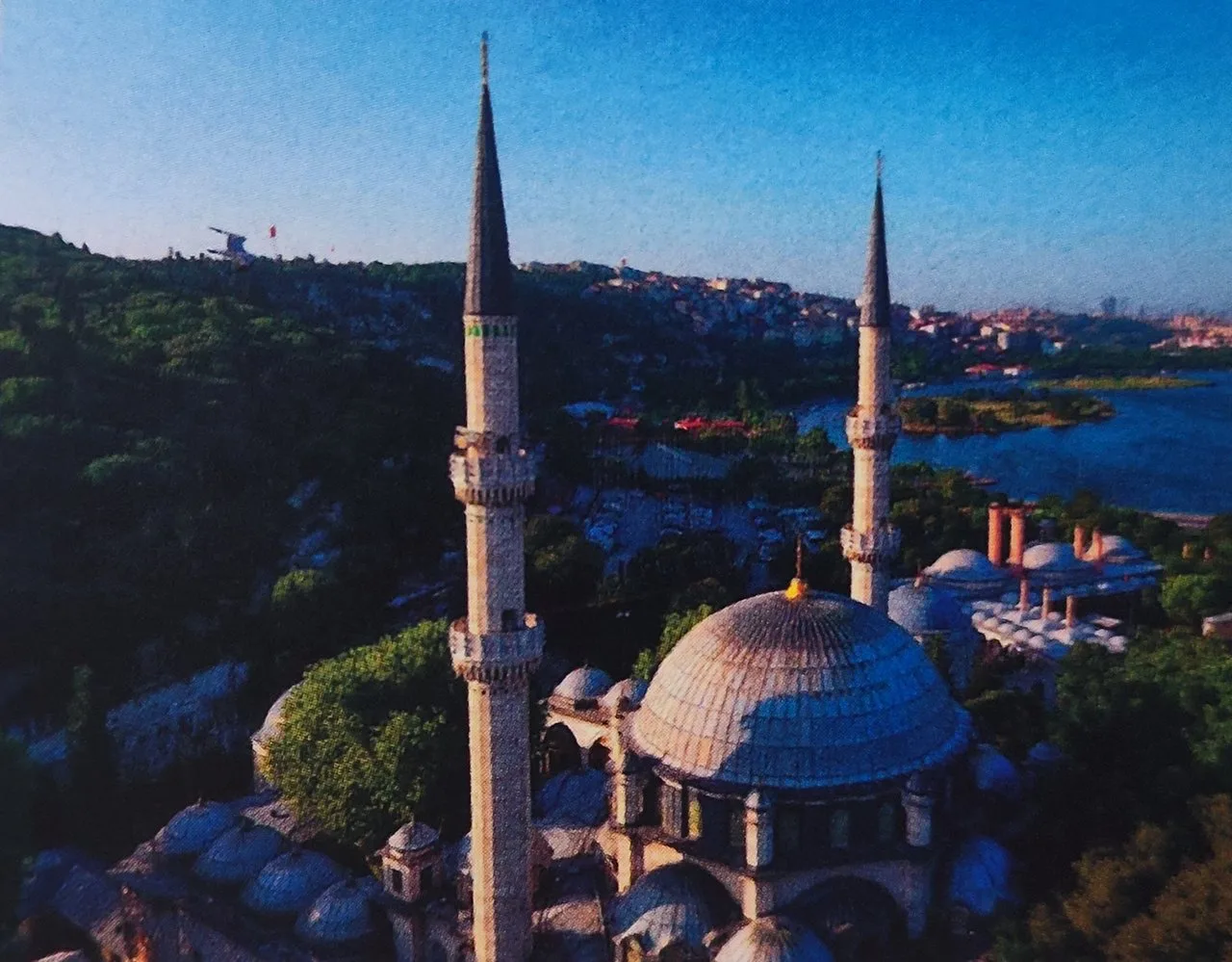
To honor the legacy of Abu Ayyub Al-Ansari, the **Eyüp Sultan Mosque** (pictured here) was soon built inside Istanbul, where his remains had been relocated.
The Ottomans loved him so much that every new sultan was sworn in at Abu Ayyub's mosque.
SACRIFICING IN ALLAH'S CAUSE
95With the exception of those with valid excuses, the believers who stay at home are not equal to those who make sacrifices in the cause of Allah with
their wealth and their lives.
Allah has raised the rank of those who make sacrifices with their wealth and their lives above those who stay behind 'with valid excuses'.
Allah has promised each a great reward, but those who make sacrifices will receive a far better reward than others
96much higher ranks, forgiveness, and mercy from Him.
And Allah is Forgiving and Merciful.
لَّا يَسۡتَوِي ٱلۡقَٰعِدُونَ مِنَ ٱلۡمُؤۡمِنِينَ غَيۡرُ أُوْلِي ٱلضَّرَرِ وَٱلۡمُجَٰهِدُونَ فِي سَبِيلِ ٱللَّهِ بِأَمۡوَٰلِهِمۡ وَأَنفُسِهِمۡۚ فَضَّلَ ٱللَّهُ ٱلۡمُجَٰهِدِينَ بِأَمۡوَٰلِهِمۡ وَأَنفُسِهِمۡ عَلَى ٱلۡقَٰعِدِينَ دَرَجَةٗۚ وَكُلّٗا وَعَدَ ٱللَّهُ ٱلۡحُسۡنَىٰۚ وَفَضَّلَ ٱللَّهُ ٱلۡمُجَٰهِدِينَ عَلَى ٱلۡقَٰعِدِينَ أَجۡرًا عَظِيمٗا95
دَرَجَٰتٖ مِّنۡهُ وَمَغۡفِرَةٗ وَرَحۡمَةٗۚ وَكَانَ ٱللَّهُ غَفُورٗا رَّحِيمًا96
BACKGROUND STORY
- •
Verse 97 discusses certain individuals in Makkah who secretly accepted Islam but refused to emigrate to Madinah with other believers.
Their faith was so weak that practicing Islam wasn't a priority.
Some were even killed at the Battle of Badr after the Makkans forced them to fight against the Muslims.
(Imam Ibn Kathir & Imam Al-Qurtubi)
- •
The same ruling applies to Muslims who endure abuse and refuse to relocate to places where they can live with dignity and freely practice their faith.
THOSE WHO ACCEPT ABUSE
97When the angels take the souls of those who have wronged themselves, scolding them, "What was wrong with you?
" they will cry, "We were oppressed in the land.
" The angels will respond, "Was Allah's earth not big enough for you to go somewhere else?
" Such people will end up in Hell.
What an evil destination!
98As for helpless men, women, and children who cannot find or afford a way out,
99it is right to hope that Allah will excuse them.
Allah is always willing to excuse and forgive.
100Whoever emigrates in the cause of Allah will find many safe places and generous resources throughout the earth.
Those who leave their homes and die while emigrating to Allah and His Messenger, their reward has already been secured with Allah.
And Allah is Forgiving and Merciful.
إِنَّ ٱلَّذِينَ تَوَفَّىٰهُمُ ٱلۡمَلَٰٓئِكَةُ ظَالِمِيٓ أَنفُسِهِمۡ قَالُواْ فِيمَ كُنتُمۡۖ قَالُواْ كُنَّا مُسۡتَضۡعَفِينَ فِي ٱلۡأَرۡضِۚ قَالُوٓاْ أَلَمۡ تَكُنۡ أَرۡضُ ٱللَّهِ وَٰسِعَةٗ فَتُهَاجِرُواْ فِيهَاۚ فَأُوْلَٰٓئِكَ مَأۡوَىٰهُمۡ جَهَنَّمُۖ وَسَآءَتۡ مَصِيرًا97
إِلَّا ٱلۡمُسۡتَضۡعَفِينَ مِنَ ٱلرِّجَالِ وَٱلنِّسَآءِ وَٱلۡوِلۡدَٰنِ لَا يَسۡتَطِيعُونَ حِيلَةٗ وَلَا يَهۡتَدُونَ سَبِيل98
فَأُوْلَٰٓئِكَ عَسَى ٱللَّهُ أَن يَعۡفُوَ عَنۡهُمۡۚ وَكَانَ ٱللَّهُ عَفُوًّا غَفُورٗا99
وَمَن يُهَاجِرۡ فِي سَبِيلِ ٱللَّهِ يَجِدۡ فِي ٱلۡأَرۡضِ مُرَٰغَمٗا كَثِيرٗا وَسَعَةٗۚ وَمَن يَخۡرُجۡ مِنۢ بَيۡتِهِۦ مُهَاجِرًا إِلَى ٱللَّهِ وَرَسُولِهِۦ ثُمَّ يُدۡرِكۡهُ ٱلۡمَوۡتُ فَقَدۡ وَقَعَ أَجۡرُهُۥ عَلَى ٱللَّهِۗ وَكَانَ ٱللَّهُ غَفُورٗا رَّحِيمٗا100
WORDS OF WISDOM
- •
Generally, Muslims traveling a distance of **85 km (approximately 53 miles) or more** are permitted to **shorten their salah (prayer)**.
This means a 4-rak'ah prayer (like Zuhr, Asr, or 'Isha) is reduced to just 2 rak'ahs.
To further ease matters for travelers, Zuhr can be combined with Asr (each performed as 2 rak'ahs), and Maghrib can be combined with 'Isha (3 and 2 rak'ahs
respectively).
Only Fajr prayer cannot be combined with any of the other four prayers.
- •
In one battle, the leader of the idol-worshippers planned to attack the Muslims while they were praying.
Thus, **verse 102** was revealed to warn the Prophet of the enemy's scheme.
(Imam Ahmad).
Based on this verse, believers should divide into two groups.
While the first group prays with the imam, the second group stands guard behind them.
Then, the first group moves to the back to stand guard once their salah is complete, as the second group moves forward to pray, with the imam still
leading the prayer.
SALAH WHILE TRAVELLING OR FIGHTING
101When you 'believers' travel through the land, it is allowed for you to shorten Salah—'especially' if you fear an attack from the disbelievers.
Surely, the disbelievers are your clear enemies.
102When you 'O Prophet' are 'on a mission' with the faithful and you lead them in salah, let one group of them pray with you, while carrying their
weapons.
When they bow down, let the other group stand guard behind them.
Then the group that has not yet prayed will join you in salah—and let them be cautious and armed.
The disbelievers would wish to see you neglect your weapons and belongings, so they could launch a surprise attack on you.
But there is no blame if you put down your weapons when hit by heavy rain or illness, but be cautious.
Indeed, Allah has prepared a humiliating punishment for the disbelievers.
103When the prayers are over, remember Allah—whether you are standing, sitting, or lying down.
But when you are safe, establish regular Salah.
Surely, praying Salah is a duty on the believers at the set times.
104Do not take it easy when chasing the enemy—if you are suffering, they too are suffering.
But you can hope to receive from Allah what they can never hope for.
And Allah has perfect knowledge and wisdom.
وَإِذَا ضَرَبۡتُمۡ فِي ٱلۡأَرۡضِ فَلَيۡسَ عَلَيۡكُمۡ جُنَاحٌ أَن تَقۡصُرُواْ مِنَ ٱلصَّلَوٰةِ إِنۡ خِفۡتُمۡ أَن يَفۡتِنَكُمُ ٱلَّذِينَ كَفَرُوٓاْۚ إِنَّ ٱلۡكَٰفِرِينَ كَانُواْ لَكُمۡ عَدُوّٗا مُّبِينٗا101
وَإِذَا كُنتَ فِيهِمۡ فَأَقَمۡتَ لَهُمُ ٱلصَّلَوٰةَ فَلۡتَقُمۡ طَآئِفَةٞ مِّنۡهُم مَّعَكَ وَلۡيَأۡخُذُوٓاْ أَسۡلِحَتَهُمۡۖ فَإِذَا سَجَدُواْ فَلۡيَكُونُواْ مِن وَرَآئِكُمۡ وَلۡتَأۡتِ طَآئِفَةٌ أُخۡرَىٰ لَمۡ يُصَلُّواْ فَلۡيُصَلُّواْ مَعَكَ وَلۡيَأۡخُذُواْ حِذۡرَهُمۡ وَأَسۡلِحَتَهُمۡۗ وَدَّ ٱلَّذِينَ كَفَرُواْ لَوۡ تَغۡفُلُونَ عَنۡ أَسۡلِحَتِكُمۡ وَأَمۡتِعَتِكُمۡ فَيَمِيلُونَ عَلَيۡكُم مَّيۡلَةٗ وَٰحِدَةٗۚ وَلَا جُنَاحَ عَلَيۡكُمۡ إِن كَانَ بِكُمۡ أَذٗى مِّن مَّطَرٍ أَوۡ كُنتُم مَّرۡضَىٰٓ أَن تَضَعُوٓاْ أَسۡلِحَتَكُمۡۖ وَخُذُواْ حِذۡرَكُمۡۗ إِنَّ ٱللَّهَ أَعَدَّ لِلۡكَٰفِرِينَ عَذَابٗا مُّهِينٗا102
فَإِذَا قَضَيۡتُمُ ٱلصَّلَوٰةَ فَٱذۡكُرُواْ ٱللَّهَ قِيَٰمٗا وَقُعُودٗا وَعَلَىٰ جُنُوبِكُمۡۚ فَإِذَا ٱطۡمَأۡنَنتُمۡ فَأَقِيمُواْ ٱلصَّلَوٰةَۚ إِنَّ ٱلصَّلَوٰةَ كَانَتۡ عَلَى ٱلۡمُؤۡمِنِينَ كِتَٰبٗا مَّوۡقُوتٗا103
وَلَا تَهِنُواْ فِي ٱبۡتِغَآءِ ٱلۡقَوۡمِۖ إِن تَكُونُواْ تَأۡلَمُونَ فَإِنَّهُمۡ يَأۡلَمُونَ كَمَا تَأۡلَمُونَۖ وَتَرۡجُونَ مِنَ ٱللَّهِ مَا لَا يَرۡجُونَۗ وَكَانَ ٱللَّهُ عَلِيمًا حَكِيمًا104
BACKGROUND STORY
- •
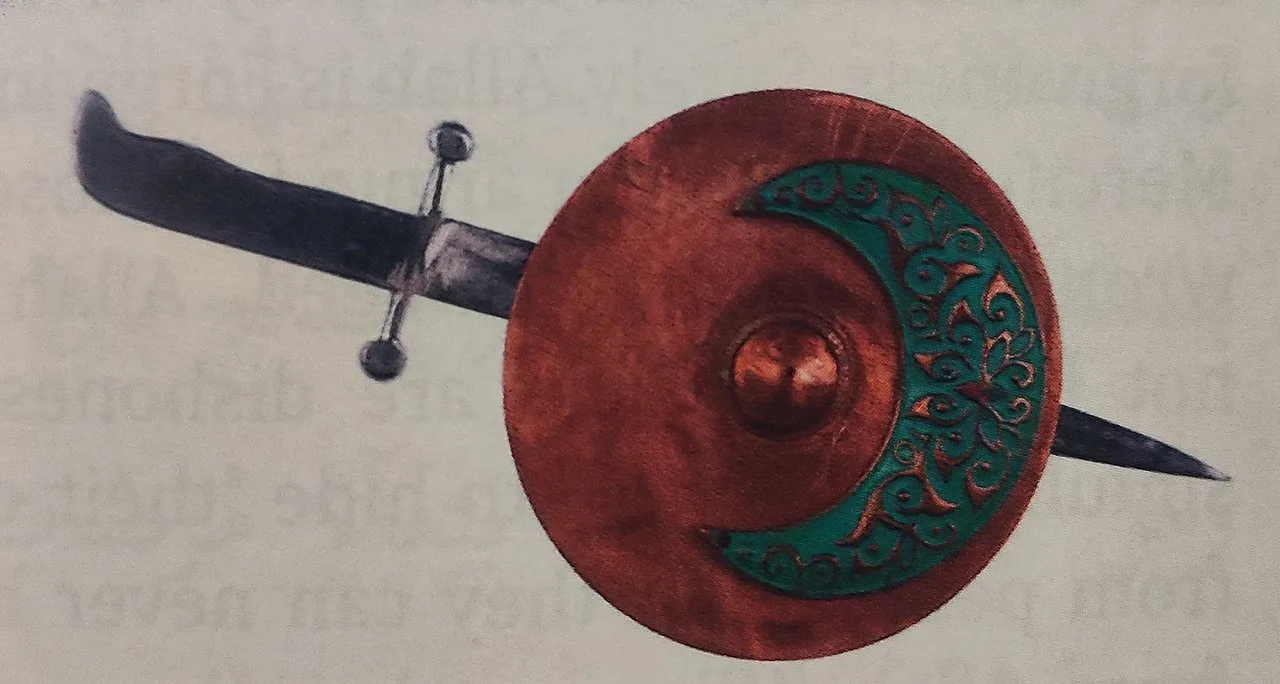
Verses 105-113 were revealed in Madinah to defend **Zaid**, a Jewish man falsely accused of theft.
A hypocrite named **Tu'mah** stole a shield from **Qatadah** (a Muslim), placed it in a sack of flour, and gave it to Zaid without disclosing it was stolen.
The sack had a hole, and Qatadah, discovering his shield missing, followed the flour trail from his house to Zaid's.
Zaid explained that Tu'mah had entrusted the shield to him.
A crowd gathered, with some defending Zaid and others Tu'mah.
- •
Eventually, the case reached the Prophet.
Tu'mah's people held a secret meeting at night and decided to pressure the Prophet to accuse the Jew, arguing that it wouldn't look good if a Muslim was
punished for stealing.
Before the Prophet could make a decision, these verses were revealed, declaring Zaid's innocence.
Tu'mah managed to escape to Makkah.
Later, he attempted to tunnel under a wall to rob a house, but the wall collapsed, killing him instantly.
(Imam Al-Qurtubi & Imam Az-Zamakhshari)
Part 3 study note
This is part 3 of the children's lesson for Surah An-Nisâ'.
It continues from the previous section with new verses, examples, and short review points for young learners.
If this is your first time studying the lesson, start with part 1 and then return here so the story, meaning, and practice sequence stay clear.
How to study Surah An-Nisâ' with children
Use this children's lesson as a guided path: read the short explanation, look at the Arabic verse, listen to related recitation, and return to the full surah when
your child is ready for more detail.
Parents can review one section at a time, ask the child to repeat the main idea, and then continue with the next part or a nearby surah.
This keeps the lesson connected with Quran reading, audio, and daily practice.