The Cow
Al-Baqarah
البقرہ
Surah Al-Baqarah for kids content
WALKING BETWEEN SAFA AND MARWAH
158Indeed, 'the hills of' Safa and Marwah are among the symbols of Allah.
So, who-ever does hajj or 'umrah to the 'Holy' House, let them walk between these two hills.
And whoever does good willingly, surely Allah is full of appreciation and knowledge.
۞ إِنَّ ٱلصَّفَا وَٱلۡمَرۡوَةَ مِن شَعَآئِرِ ٱللَّهِۖ فَمَنۡ حَجَّ ٱلۡبَيۡتَ أَوِ ٱعۡتَمَرَ فَلَا جُنَاحَ عَلَيۡهِ أَن يَطَّوَّفَ بِهِمَاۚ وَمَن تَطَوَّعَ خَيۡرٗا فَإِنَّ ٱللَّهَ شَاكِرٌ عَلِيمٌ158
WARNING TO THOSE WHO HIDE THE TRUTH
159Indeed, those who hide the clear proofs and guidance that We have re-vealed-after We made it clear for peo-ple in the Book-will be rejected by Allah and all
others.
160As for those who re-pent, change their ways, and declare the truth, those are the ones I will forgive.
I am willing to accept repentance and am full of mercy.
161Surely those who disbe-lieve and die as disbelievers are rejected by Allah, the angels, and all of humani-ty.
162They will be in Hell forever.
Their punishment will not be lightened, and they will not be delayed 'from it'.
إِنَّ ٱلَّذِينَ يَكۡتُمُونَ مَآ أَنزَلۡنَا مِنَ ٱلۡبَيِّنَٰتِ وَٱلۡهُدَىٰ مِنۢ بَعۡدِ مَا بَيَّنَّٰهُ لِلنَّاسِ فِي ٱلۡكِتَٰبِ أُوْلَٰٓئِكَ يَلۡعَنُهُمُ ٱللَّهُ وَيَلۡعَنُهُمُ ٱللَّٰعِنُونَ159
إِلَّا ٱلَّذِينَ تَابُواْ وَأَصۡلَحُواْ وَبَيَّنُواْ فَأُوْلَٰٓئِكَ أَتُوبُ عَلَيۡهِمۡ وَأَنَا ٱلتَّوَّابُ ٱلرَّحِيمُ160
إِنَّ ٱلَّذِينَ كَفَرُواْ وَمَاتُواْ وَهُمۡ كُفَّارٌ أُوْلَٰٓئِكَ عَلَيۡهِمۡ لَعۡنَةُ ٱللَّهِ وَٱلۡمَلَٰٓئِكَةِ وَٱلنَّاسِ أَجۡمَعِينَ161
خَٰلِدِينَ فِيهَا لَا يُخَفَّفُ عَنۡهُمُ ٱلۡعَذَابُ وَلَا هُمۡ يُنظَرُونَ162
ALLAH'S GREAT SIGNS
163Your God is 'only' One God.
There is no god 'that deserves worship' except Him—the Most Kind, Most Merciful.
164Indeed, in the creation of the heavens and the earth; the rotation of the day and the night; the ships that sail through the sea for the benefit
of humanity; the rain sent down by Allah from the sky, giving life to the earth after its death; the spreading of all kinds of creatures throughout; the
shifting of the winds; and the clouds floating between the heavens and the earth—in all of this' are surely signs for those who understand.
وَإِلَٰهُكُمۡ إِلَٰهٞ وَٰحِدٞۖ لَّآ إِلَٰهَ إِلَّا هُوَ ٱلرَّحۡمَٰنُ ٱلرَّحِيمُ163
إِنَّ فِي خَلۡقِ ٱلسَّمَٰوَٰتِ وَٱلۡأَرۡضِ وَٱخۡتِلَٰفِ ٱلَّيۡلِ وَٱلنَّهَارِ وَٱلۡفُلۡكِ ٱلَّتِي تَجۡرِي فِي ٱلۡبَحۡرِ بِمَا يَنفَعُ ٱلنَّاسَ وَمَآ أَنزَلَ ٱللَّهُ مِنَ ٱلسَّمَآءِ مِن مَّآءٖ فَأَحۡيَا بِهِ ٱلۡأَرۡضَ بَعۡدَ مَوۡتِهَا وَبَثَّ فِيهَا مِن كُلِّ دَآبَّةٖ وَتَصۡرِيفِ ٱلرِّيَٰحِ وَٱلسَّحَابِ ٱلۡمُسَخَّرِ بَيۡنَ ٱلسَّمَآءِ وَٱلۡأَرۡضِ لَأٓيَٰتٖ لِّقَوۡمٖ يَعۡقِلُونَ164
PUNISHMENT OF THE DENIERS
165Still, there are some who take others as Allah's equals—they love them as they should love Allah—but the 'true' believers love Allah even more.
If only those doing wrong could see the 'horrible' punishment 'waiting for them', they would certainly realize that all power belongs to Allah and that Allah is truly
severe in punishment.
166Watch for the Day' when those who misled others will distance themselves from their followers—when they face the punishment—and the bonds that united them will be cut off.
167The 'misled' followers will cry, "If only we could have a second chance, we would disown them as they disowned us.
" This is how Allah will make them ful-ly regret their misdeeds.
And they will never 'be able to' leave the Fire.
وَمِنَ ٱلنَّاسِ مَن يَتَّخِذُ مِن دُونِ ٱللَّهِ أَندَادٗا يُحِبُّونَهُمۡ كَحُبِّ ٱللَّهِۖ وَٱلَّذِينَ ءَامَنُوٓاْ أَشَدُّ حُبّٗا لِّلَّهِۗ وَلَوۡ يَرَى ٱلَّذِينَ ظَلَمُوٓاْ إِذۡ يَرَوۡنَ ٱلۡعَذَابَ أَنَّ ٱلۡقُوَّةَ لِلَّهِ جَمِيعٗا وَأَنَّ ٱللَّهَ شَدِيدُ ٱلۡعَذَابِ165
إِذۡ تَبَرَّأَ ٱلَّذِينَ ٱتُّبِعُواْ مِنَ ٱلَّذِينَ ٱتَّبَعُواْ وَرَأَوُاْ ٱلۡعَذَابَ وَتَقَطَّعَتۡ بِهِمُ ٱلۡأَسۡبَابُ166
وَقَالَ ٱلَّذِينَ ٱتَّبَعُواْ لَوۡ أَنَّ لَنَا كَرَّةٗ فَنَتَبَرَّأَ مِنۡهُمۡ كَمَا تَبَرَّءُواْ مِنَّاۗ كَذَٰلِكَ يُرِيهِمُ ٱللَّهُ أَعۡمَٰلَهُمۡ حَسَرَٰتٍ عَلَيۡهِمۡۖ وَمَا هُم بِخَٰرِجِينَ مِنَ ٱلنَّارِ167
WARNING AGAINST SATAN
168O humanity!
Eat from what is good and pure on the earth and do not follow Satan's footsteps.
He is truly your clear Enemy.
169He only encourages you to do evil and shameful things and to claim against Allah what you do not know.
يَٰٓأَيُّهَا ٱلنَّاسُ كُلُواْ مِمَّا فِي ٱلۡأَرۡضِ حَلَٰلٗا طَيِّبٗا وَلَا تَتَّبِعُواْ خُطُوَٰتِ ٱلشَّيۡطَٰنِۚ إِنَّهُۥ لَكُمۡ عَدُوّٞ مُّبِينٌ168
إِنَّمَا يَأۡمُرُكُم بِٱلسُّوٓءِ وَٱلۡفَحۡشَآءِ وَأَن تَقُولُواْ عَلَى ٱللَّهِ مَا لَا تَعۡلَمُونَ169
BLIND FOLLOWING
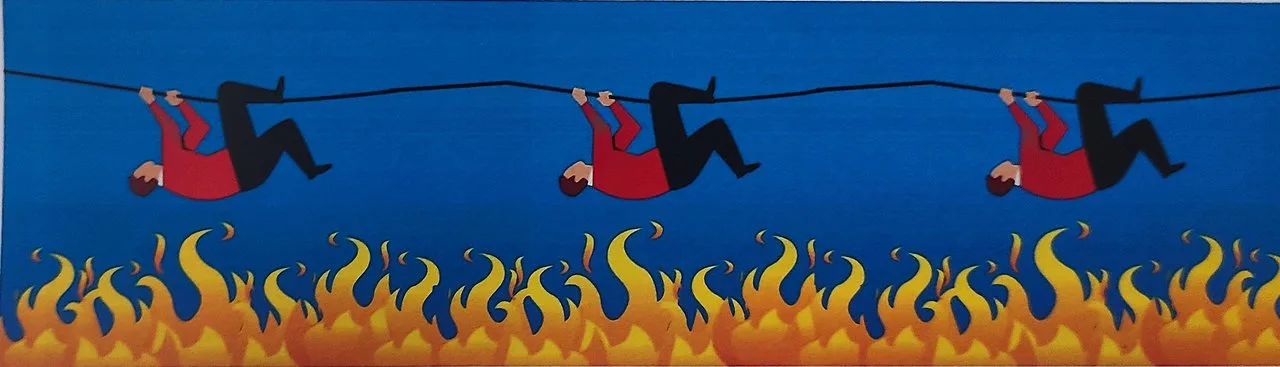
170When it is said to those deniers, "Follow what Allah has revealed' they argue, "No!
We 'only' follow what we found our fathers practicing" What!
Even if their fathers had absolutely no understanding or guidance?
171The example of the disbelievers 'not responding to the Messenger's warning' is like a flock not understanding the calls and cries of the shepherd.
"They choose to be' deaf, mute, and blind so they have no sense at all.
وَإِذَا قِيلَ لَهُمُ ٱتَّبِعُواْ مَآ أَنزَلَ ٱللَّهُ قَالُواْ بَلۡ نَتَّبِعُ مَآ أَلۡفَيۡنَا عَلَيۡهِ ءَابَآءَنَآۚ أَوَلَوۡ كَانَ ءَابَآؤُهُمۡ لَا يَعۡقِلُونَ شَيۡٔٗا وَلَايَهۡتَدُونَ170
وَمَثَلُ ٱلَّذِينَ كَفَرُواْ كَمَثَلِ ٱلَّذِي يَنۡعِقُ بِمَا لَا يَسۡمَعُ إِلَّا دُعَآءٗ وَنِدَآءٗۚ صُمُّۢ بُكۡمٌ عُمۡيٞ فَهُمۡ لَا يَعۡقِلُونَ171

WORDS OF WISDOM
- •
someOne may ask, "Why is **pork forbidden in Islam?
**" Generally, there are some types of meat that are not allowed in certain faiths or cultures.
For example, the Jews don't eat camel meat, roosters, or shrimp because it's against their beliefs.
The Hindus don't eat beef because cows are holy in their faith.
Some people eat cats and dogs, while others are strictly vegetarian.
As we can see in verses 172-173, the foods forbidden to Muslims are listed by name because they are few in number.
All other good, pure foods are allowed.
The prohibition of certain types of food is a test of our **obedience to Allah**.
- •
As for pork, we don't need to prove that it's unhealthy for humans to eat because of its **harmful fats, toxins, and bacteria**.
In Islam, if Allah and His Prophet forbid something, this is enough of a reason for Muslims to avoid eating it.
In 6:145, Allah says that **pork is not pure**.
Even if a pig was raised in the cleanest environment and fed the most organic food, its meat would still be impure.
Allah has already provided many other halal and healthy types of food.
According to 173, forbidden foods are only allowed if a person is **forced by necessity**—let's say they are lost in a desert and run out of food.
In this case, they can only eat a bit to save their lives.

FORBIDDEN FOODS
172O believers!
Eat from the good things We have provided for you, and give thanks to Allah if you 'truly' worship Him 'alone'.
173He has only forbidden you 'to eat' dead meat, blood, pork, and what is slaughtered in the name of anyone other than Allah.
But if someone is forced 'to eat' by necessity—not just for desiring it or eating more than what is needed—they will not be sinful.
Surely Allah is Forgiving and Merciful.
يَٰٓأَيُّهَا ٱلَّذِينَ ءَامَنُواْ كُلُواْ مِن طَيِّبَٰتِ مَا رَزَقۡنَٰكُمۡ وَٱشۡكُرُواْ لِلَّهِ إِن كُنتُمۡ إِيَّاهُ تَعۡبُدُونَ172
إِنَّمَا حَرَّمَ عَلَيۡكُمُ ٱلۡمَيۡتَةَ وَٱلدَّمَ وَلَحۡمَ ٱلۡخِنزِيرِ وَمَآ أُهِلَّ بِهِۦ لِغَيۡرِ ٱللَّهِۖ فَمَنِ ٱضۡطُرَّ غَيۡرَ بَاغٖ وَلَا عَادٖ فَلَآ إِثۡمَ عَلَيۡهِۚ إِنَّ ٱللَّهَ غَفُورٞ رَّحِيمٌ173
HIDING THE TRUTH
174Surely, those who hide Allah's revelations—trading them for a little gain—consume nothing but fire into their bellies.
Allah will not speak to them on Judgment Day or purify them.
And they will suffer a painful punishment.
175They are the ones who trade guidance for misguidance and forgiveness for punishment.
How desperate they are to go to the Fire!
176That is because Allah has revealed the Book in truth.
And surely those who differ about it have gone too far in opposition 'to the truth'.
إِنَّ ٱلَّذِينَ يَكۡتُمُونَ مَآ أَنزَلَ ٱللَّهُ مِنَ ٱلۡكِتَٰبِ وَيَشۡتَرُونَ بِهِۦ ثَمَنٗا قَلِيلًا أُوْلَٰٓئِكَ مَا يَأۡكُلُونَ فِي بُطُونِهِمۡ إِلَّا ٱلنَّارَ وَلَا يُكَلِّمُهُمُ ٱللَّهُ يَوۡمَ ٱلۡقِيَٰمَةِ وَلَا يُزَكِّيهِمۡ وَلَهُمۡ عَذَابٌ أَلِيمٌ174
أُوْلَٰٓئِكَ ٱلَّذِينَ ٱشۡتَرَوُاْ ٱلضَّلَٰلَةَ بِٱلۡهُدَىٰ وَٱلۡعَذَابَ بِٱلۡمَغۡفِرَةِۚ فَمَآ أَصۡبَرَهُمۡ عَلَى ٱلنَّارِ175
ذَٰلِكَ بِأَنَّ ٱللَّهَ نَزَّلَ ٱلۡكِتَٰبَ بِٱلۡحَقِّۗ وَإِنَّ ٱلَّذِينَ ٱخۡتَلَفُواْ فِي ٱلۡكِتَٰبِ لَفِي شِقَاقِۢ بَعِيدٖ176
QUALITIES OF THE FAITHFUL
177Being faithful is not just about turning your faces towards the east or the west.
Rather, the faithful are those who believe in Allah, the Last Day, the angels, the Books, and the prophets; who give chari-ty out of their wealth—even though they
desire it themselves—to relatives, orphans, the poor, 'needy' travellers, beggars, and for freeing captives; who pray salah, pay zakah, and keep the promises they make; and who are
patient in times of suffering, hardship, and in battle.
Such people are true in faith, and they are the ones who keep Allah in mind.
۞ لَّيۡسَ ٱلۡبِرَّ أَن تُوَلُّواْ وُجُوهَكُمۡ قِبَلَ ٱلۡمَشۡرِقِ وَٱلۡمَغۡرِبِ وَلَٰكِنَّ ٱلۡبِرَّ مَنۡ ءَامَنَ بِٱللَّهِ وَٱلۡيَوۡمِ ٱلۡأٓخِرِ وَٱلۡمَلَٰٓئِكَةِ وَٱلۡكِتَٰبِ وَٱلنَّبِيِّۧنَ وَءَاتَى ٱلۡمَالَ عَلَىٰ حُبِّهِۦ ذَوِي ٱلۡقُرۡبَىٰ وَٱلۡيَتَٰمَىٰ وَٱلۡمَسَٰكِينَ وَٱبۡنَ ٱلسَّبِيلِ وَٱلسَّآئِلِينَ وَفِي ٱلرِّقَابِ وَأَقَامَ ٱلصَّلَوٰةَ وَءَاتَى ٱلزَّكَوٰةَ وَٱلۡمُوفُونَ بِعَهۡدِهِمۡ إِذَا عَٰهَدُواْۖ وَٱلصَّٰبِرِينَ فِي ٱلۡبَأۡسَآءِ وَٱلضَّرَّآءِ وَحِينَ ٱلۡبَأۡسِۗ أُوْلَٰٓئِكَ ٱلَّذِينَ صَدَقُواْۖ وَأُوْلَٰٓئِكَ هُمُ ٱلۡمُتَّقُونَ177
BACKGROUND STORY
- •
Before the advent of **Islam**, it was common for Arab tribes to engage in inter-tribal warfare, leading to widespread injustices.
For instance, if a woman was killed by another woman from a different tribe, the victim's tribe would retaliate by killing a man from the killer's tribe.
Similarly, if a slave killed another slave, the victim's tribe would kill a free man from the killer's tribe.
In cases where an important individual was killed, the aggrieved tribe would often seek revenge by killing multiple people from the opposing tribe.
- •
With the arrival of **Islam**, a system of legal rules was introduced to address these injustices.
Islam made it unlawful to kill anyone other than the actual killer, irrespective of the victim's or killer's gender or social status.
In instances of **intentional killing**, the victim's close relatives are given the right to choose: they can demand the killer's execution, accept **blood money (diyah)**, or
charitably waive the punishment.
If a person is killed by **mistake**, the victim's relatives have two options: they can either accept blood money or forgive the killer.
(Imam Ibn Kathir)
- •
62.
**Blood money** is the amount paid by the killer in order to be forgiven by the victim's family.
LEGAL REVENGE
178O believers!
Legal revenge is set for you in cases of murder—a free man for a free man, a slave for a slave, and a female for a female.
But if the offender is forgiven by the victim's guardian, then blood money should be decided fairly and payment should be made kindly.
This is a relief and mercy from your Lord.
But whoever breaks these rules after that will suffer a painful punishment.
179This law protects life for you, O you who truly understand, so that you can guard against evil.
يَٰٓأَيُّهَا ٱلَّذِينَ ءَامَنُواْ كُتِبَ عَلَيۡكُمُ ٱلۡقِصَاصُ فِي ٱلۡقَتۡلَىۖ ٱلۡحُرُّ بِٱلۡحُرِّ وَٱلۡعَبۡدُ بِٱلۡعَبۡدِ وَٱلۡأُنثَىٰ بِٱلۡأُنثَىٰۚ فَمَنۡ عُفِيَ لَهُۥ مِنۡ أَخِيهِ شَيۡءٞ فَٱتِّبَاعُۢ بِٱلۡمَعۡرُوفِ وَأَدَآءٌ إِلَيۡهِ بِإِحۡسَٰنٖۗ ذَٰلِكَ تَخۡفِيفٞ مِّن رَّبِّكُمۡ وَرَحۡمَةٞۗ فَمَنِ ٱعۡتَدَىٰ بَعۡدَ ذَٰلِكَ فَلَهُۥ عَذَابٌ أَلِيمٞ178
وَلَكُمۡ فِي ٱلۡقِصَاصِ حَيَوٰةٞ يَٰٓأُوْلِي ٱلۡأَلۡبَٰبِ لَعَلَّكُمۡ تَتَّقُونَ179

SIDE STORY
- •
The following are true stories that happened in North America many years ago:
- •
Long before the internet became a thing, a Muslim brother died in a small town Canada.
His non-Muslim wife didn't know what to do because he didn't have family members or fellow Muslims in town.
They prayed for him at a church and he was buried in a non-Muslim way.
When his story was brought to my attention many years after his death, we prayed janazah for him at my mosque, because no one did when he died.
- •
A brother died and his body was kept for 2 weeks at a local hospital because nobody knew the contact information of his family back home.
- •
A sister was running a small business and she owed a few people some money, and other people owed her money.
When she died suddenly, her family wasn't aware of those debts.
The family refused to pay her debts because they weren't in writing.
- •
A Muslim couple died in an accident, leaving little kids, who ended up being adopted by a non-Muslim family.
- •
A Muslim man died in the U.
S.
, and his non-Muslim wife decided to cremate (burn) his body.
His Muslim family protested and took his wife to court, but the judge ruled in her favour.
- •
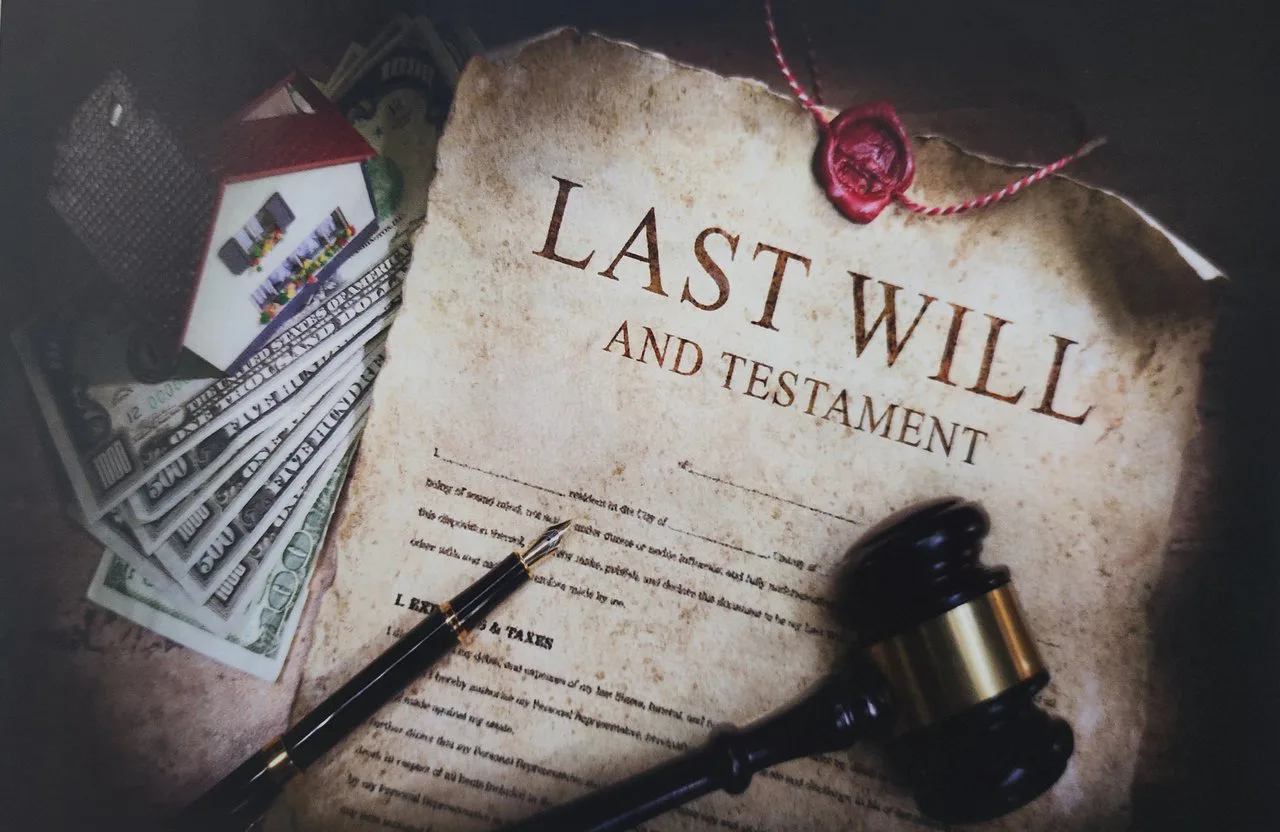
All the Muslims in this story had one thing in common: they didn't leave a will (a document that says what should happen when they die).
If a Muslim man is married to a Christian or Jewish woman, most of the time the wife doesn't know what needs to be done according to Islam
(especially if the husband himself was not practicing his faith).
Sometimes the wife does things her own way, just to get the support of her own family and community.
In the other examples mentioned above, things got complicated because the person didn't have family members to take care of the kids or arrange a proper Islamic funeral
for the Muslim who died.
WORDS OF WISDOM
- •
To solve these problems, Islam teaches us to write a **wasiyyah (will)**.
The Quran (verses 2:180-182) and the Sunnah of the Prophet talk about the importance of wasiyyah, especially if the person leaves property.
'Abdullah ibn 'Omar, reported that the Prophet said, "It's not right for a Muslim who has something valuable to stay for two days without having a written will.
" Ibn 'Omar said, "When I heard this, I immediately wrote my wasiyyah.
" {Imam Al-Bukhari & Imam Muslim}
- •
Someone may ask, "How can I write my will?
" The wasiyyah is very simple.
Consider including the following points:
- •
### Islamic Will (Wasiyyah)
- •
1.
I believe that Allah is my Lord, Muhammad is His Prophet, and Judgment Day is true.
- •
2.
I advise my family to keep Allah in mind and follow the guidance of the Prophet.
- •
3.
I want my funeral to be done according to the teachings of Islam.
- •
4.
I want to be buried in a Muslim cemetery.
- •
5.
My young children will be in the care of my spouse, or close family members if my spouse isn't alive.
- •
6.
This is my property (land, house, money, bank accounts, gold, etc.
)
- •
7.
I owe this amount $.
to this person
- •
8.
This person .
owes me this amount $.
- •
9.
I want this amount (up to ½ of my wealth) $.
to be given to this person
- •
10.
(who has no share in my inheritance) or this project (optional)
- •
11.
After paying my funeral expenses, debts, and gifts or donations, I want the rest of my property to be distributed according to the shares decided by Islamic law.
- •
12.
I want this person .
to be in charge of applying my wasiyyah.
- •
If you live away from your family, make sure to add the names and phone numbers or emails of the people who should be contacted if something happens
to you.
- •
You can make 2 copies: one to keep with your family, and one with the person in charge of applying your wasiyyah.
- •
You can update your wasiyyah if there is a major change (let's say you bought a new house or borrowed money from someone).
- •
If you live in a non-Muslim country, you may want to get your wasiyyah verified by a lawyer to make sure that no one will challenge it after
your death.
MAKING A WILL
180If any of you has wealth and is about to die, they should make a will in favour of their own parents and close relatives with fairness.
'This is' a duty on those who keep Allah in mind.
181But whoever changes the will after hearing it, the blame will only be on those who made the change.
Indeed, Allah hears and knows 'Everything.
182However, if someone finds something wrong or unfair in the will and makes a fair agreement between those involved, that person will not be sinful.
Surely Allah is Forgiving and Merciful.
كُتِبَ عَلَيۡكُمۡ إِذَا حَضَرَ أَحَدَكُمُ ٱلۡمَوۡتُ إِن تَرَكَ خَيۡرًا ٱلۡوَصِيَّةُ لِلۡوَٰلِدَيۡنِ وَٱلۡأَقۡرَبِينَ بِٱلۡمَعۡرُوفِۖ حَقًّا عَلَى ٱلۡمُتَّقِينَ180
فَمَنۢ بَدَّلَهُۥ بَعۡدَ مَا سَمِعَهُۥ فَإِنَّمَآ إِثۡمُهُۥ عَلَى ٱلَّذِينَ يُبَدِّلُونَهُۥٓۚ إِنَّ ٱللَّهَ سَمِيعٌ عَلِيمٞ181
فَمَنۡ خَافَ مِن مُّوصٖ جَنَفًا أَوۡ إِثۡمٗا فَأَصۡلَحَ بَيۡنَهُمۡ فَلَآ إِثۡمَ عَلَيۡهِۚ إِنَّ ٱللَّهَ غَفُورٞ رَّحِيمٞ182
SIDE STORY
- •
This is a true story of a man who was travelling with his family for vacation.
Since the roads were busy during the day, they decided to travel at night.
He said he got so busy preparing for the trip that he forgot to stop by the gas station to fill up the tank before taking the highway.
It was his first time travelling down that highway, so he assumed it would be easy to find a gas station on the way.
He drove for about an hour but couldn't see any.
Once the gas light began to flash on the dashboard, he started to panic.
- •
The road was dark, with no homes or signs of life.
The man was worried that they would be forced to sleep in the car until the morning.
Suddenly, they saw some light from a distance, and it turned out to be a small, old rest area.
The man asked the owner if he had any gas but the owner said he didn't.
However, he said there was a new place 10 minutes away that sold gas.
This gave them some hope, but the man was worried.
What if that place doesn't have any gas left?
What if those 10 minutes turn out to be 10 hours?
Then he drove away, with his eyes staring at the flashing gas light.
Finally, he arrived at the place and asked the owner desperately, "Do you have some gas please?
" The owner said, "Yes!
" The man was very excited.
He said that this was the best 'yes' he ever heard in his life.
He went down into sajdah to thank Allah before continuing his journey with a full tank.
- •
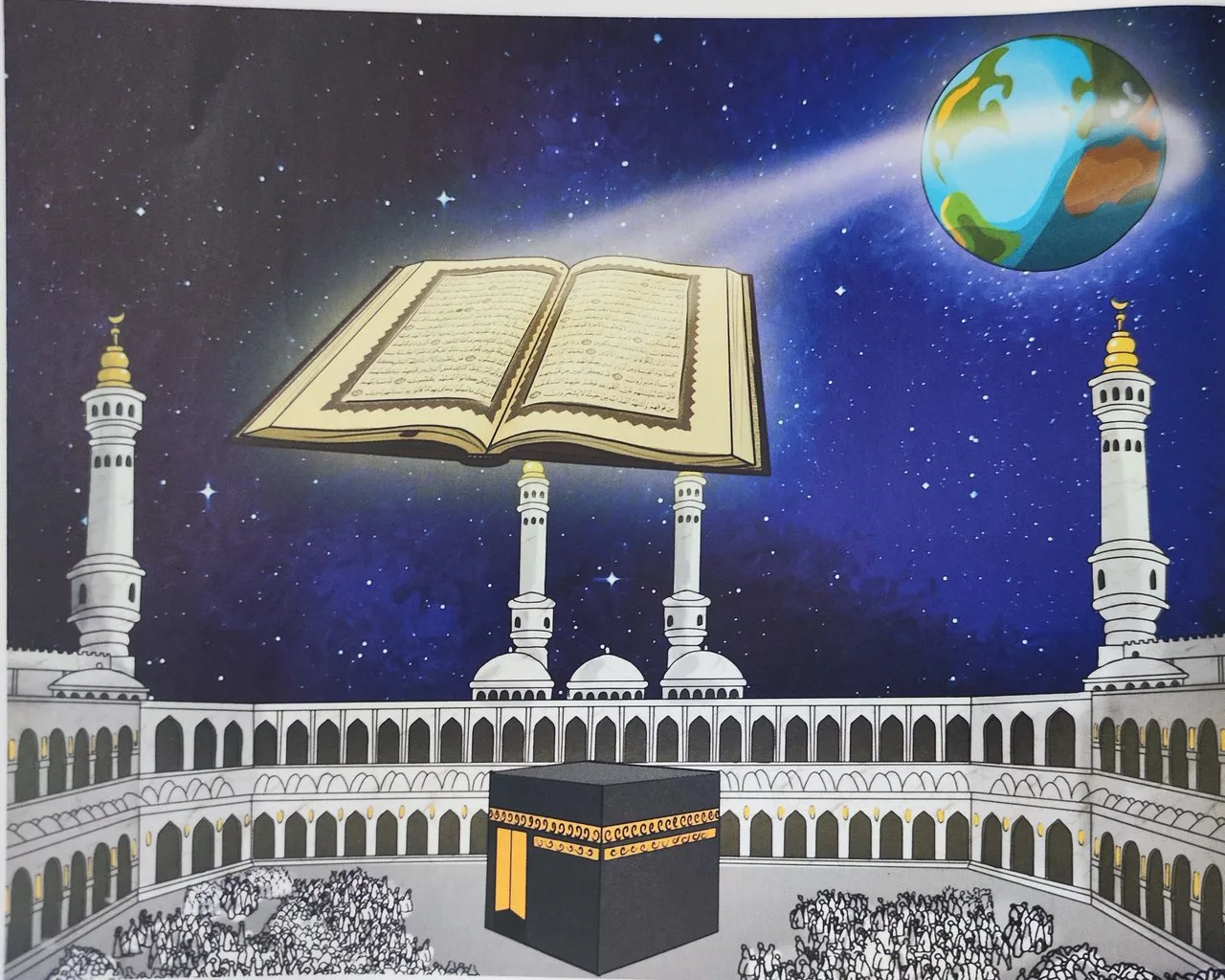
The man said that this experience reminded him of Ramadan.
Think of this month as the only gas station on your highway to Jannah.
Do you think it would have been smart for the man in the story to say, "I'm going to skip this gas station and use the next one"?
Of course not.
In the same way, we can't say, "I'm going to skip this Ramadan and focus on the next one.
" We may not live to see another Ramadan.
So, we shouldn't be distracted from filling up our tanks with good deeds if we really want to make it to Jannah.
SIDE STORY
- •
A few months before Ramadan, Joha lost his only donkey.
Even though he looked for it everywhere, he couldn't find it.
So, he promised to fast 3 days if his beloved donkey was found.
A week later, he woke up in the morning and found the donkey standing in front of the house.
Sure enough, he kept his promise and fasted 3 days.
However, the donkey soon died.
Joha was so mad that he said, "That's it.
I'm going to discount those 3 days from Ramadan!
"
- •
What do you think about what Joha said?
WORDS OF WISDOM
- •
Fasting in the month of Ramadan is very special to Allah.
The Prophet reported that Allah said, "All the good deeds of the children of Adam are for them, except for fasting, which is for Me, and I'm the
One Who gives the reward for it.
" (Imam Al-Bukhari & Imam Muslim) Some scholars say that fasting is very special to Allah because:
- •
* Some Muslims may show off when they pray, donate, or do haj.
But no one can tell if you are fasting sincerely.
- •
* For zakah, a person may receive 700 rewards.
As for fasting, it's Allah Who decides its special reward.
- •
* The idol-worshippers did different acts of worship for their gods, except fasting.
For example, they prayed, donated, made du'a, and did haj for their idols.
But they never fasted for them.
- •
To understand the importance of Ramadan, let's think about this beautiful hadith.
It was reported that 2 men from the tribe of Quda'ah accepted Islam with the Prophet.
Later, one of them died as a shahid in battle, and the other lived for another year.
Talhah (one of the companions) said, "I had a dream of Paradise, and saw the one who lived a year longer entering Paradise before the shahid.
I was surprised by this.
In the morning, I mentioned it to the Messenger of Allah.
" The Messenger told him that he shouldn't be surprised, adding, "Didn't he fast an extra Ramadan and pray this many rak'ahs for a whole year?
" {Imam Ahmad}
- •
Ramadan—which became a duty to fast in the 2nd year after Hijrah to Madinah—is also very special because of Lailat-ul-Qadr (one of the last 10 nights of the
month, probably the night of the 27th).
According to Surah 97, the reward of good deeds done on Lailat-ul-Qadr is better than 1,000 months.
So, if you pray or give charity on this night, you will get the reward for praying or donating for over 83 years.
Imagine you work for a big company and they tell you, "If you work just one hour tonight, we will give you a salary for over 83 years.
" Do you think it would be wise to refuse this deal?
WORDS OF WISDOM
- •
As mentioned in Surah 97, people usually prepare for salah by making wudu', for zakah by calculating their money, and for hajj by saving and planning.
However, most people don't have a plan to maximize their rewards in Ramadan, the best of all months.
Like the Prophet, our plan should include:
- •
1.
Physical worship: fasting and praying.
- •
2.
Verbal worship: reading the Quran, remembering Allah, and making du'a.
- •
3.
Financial worship: paying our zakah and sadaqah.
The Prophet was very generous all year long, but he was more generous in Ramadan.
(Imam Al-Bukhari)
- •
Ramadan is not just about avoiding food or water.
If fasting only means we don't eat or drink during the days of Ramadan, then camels fast better than us because they can go for weeks or even
months without food or water.
If we want to win more rewards in Ramadan, our tongues should fast, so we don't say bad things, Our ears should fast, so we don't listen to
bad things.
Our eyes should fast, so we don't look at bad things.
And our hearts should also fast, so we do everything only for the sake of Allah, not for showing off.
We should try to keep up this spirit even after Ramadan.
WORDS OF WISDOM
- •
It's interesting how verse 186, which focuses on du'a, is mentioned at the heart of the verses that talk about Ramadan.
This teaches us the importance of making **du'a**, especially during important times like Ramadan, Lailat-ul-Qadr, the Day of 'Arafah, Jum'ah, when it rains, and while in sajdah.
When you say, 'O Allah,' you acknowledge that:
- •
* Allah is One, because you aren't praying to anyone else.
- •
* Allah is ever Living.
- •
* Allah can hear your prayers.
- •
* Allah knows what you want.
- •
* Allah has the power to answer your du'a.
- •
The Prophet said to one of his companions, "O Shaddad ibn Aws!
When you see people treasuring gold and silver, then treasure these words (of dua): O Allah!
I pray to stay strong in all matters and remain dedicated to doing what is right.
I pray for what guarantees Your mercy and ensures Your forgiveness.
I pray for the ability to thank You for Your blessings and to worship You in the best way.
I pray for a pure heart and a truthful tongue.
I pray for whatever good things known to You.
I seek protection in You against whatever evil things known to You.
And I ask Your forgiveness for whatever things known to You.
Indeed, You alone know all unknowns.
" {Imam Ahmad & Imam At-Tabarani}
SIDE STORY
- •
It was the first night of tarawih (Ramadan night prayers) at a new masjid in North America.
All of a sudden, there was a disagreement on whether people should pray 8 or 20 rak'ahs.
One thing led to another, and people started fighting and screaming in the masjid.
Someone called the police, and soon 3 non-Muslim police officers walked into the prayer area with their shoes on, not knowing the proper way of entering a mosque.
Both the 8-rak'ah brothers and the 20-rak'ah brothers yelled at the officers, "How dare you disrespect the house of Allah!
"
Part 4 study note
This is part 4 of the children's lesson for Surah Al-Baqarah.
It continues from the previous section with new verses, examples, and short review points for young learners.
If this is your first time studying the lesson, start with part 1 and then return here so the story, meaning, and practice sequence stay clear.
How to study Surah Al-Baqarah with children
Use this children's lesson as a guided path: read the short explanation, look at the Arabic verse, listen to related recitation, and return to the full surah when
your child is ready for more detail.
Parents can review one section at a time, ask the child to repeat the main idea, and then continue with the next part or a nearby surah.
This keeps the lesson connected with Quran reading, audio, and daily practice.