Those ˹Angels˺ Lined up in Ranks
Aṣ-Ṣâffât
الصَّافّات

LEARNING POINTS
This surah highlights some basic truths, including the oneness of Allah, life after death, and the prophethood of Muhammad (ﷺ).
The stories of the people of Nuh, Ibrahim, Lut, and Ilyas (A.S.) are mentioned as a warning to the disbelievers for rejecting the truth.
The idol-worshippers are criticized for calling the Prophet (ﷺ) a crazy poet, claiming that the angels are Allah's daughters, and for making fun of life after death.
The door of Allah's mercy is always open, as we can see in the story of the people of Yunus (A.S.).
This surah provides more details on the punishment of the disbelievers and the reward of the believers in the Next Life.
The disbelievers will be so shocked on Judgment Day that they will not be able to help each other or even themselves.
The Prophet (ﷺ) is told that Allah's messengers always win in the end.

ONE GOD ONLY
1By those 'angels' lined up 'in worship', 2and those who drive 'the clouds', 3and those who recite the Reminder! 4Surely your God is One— 5the Lord of the heavens and the earth and everything in between, and the Lord of all points of sunrise.
وَٱلصَّٰٓفَّٰتِ صَفّٗا 1فَٱلزَّٰجِرَٰتِ زَجۡرٗا 2فَٱلتَّٰلِيَٰتِ ذِكۡرًا 3إِنَّ إِلَٰهَكُمۡ لَوَٰحِدٞ 4رَّبُّ ٱلسَّمَٰوَٰتِ وَٱلۡأَرۡضِ وَمَا بَيۡنَهُمَا وَرَبُّ ٱلۡمَشَٰرِقِ5
SKY DECORATED AND PROTECTED
6Surely We have decorated the lowest heaven with the stars for beauty 7and 'for' protection from every wicked devil. 8They cannot listen to the highest assembly 'of angels' because they are shot from every side 9to drive them away. And they will suffer a never-ending punishment. 10But whoever manages to steal some news is 'immediately' chased by a piercing flame,!
إِنَّا زَيَّنَّا ٱلسَّمَآءَ ٱلدُّنۡيَا بِزِينَةٍ ٱلۡكَوَاكِبِ 6وَحِفۡظٗا مِّن كُلِّ شَيۡطَٰنٖ مَّارِدٖ 7لَّا يَسَّمَّعُونَ إِلَى ٱلۡمَلَإِ ٱلۡأَعۡلَىٰ وَيُقۡذَفُونَ مِن كُلِّ جَانِبٖ 8دُحُورٗاۖ وَلَهُمۡ عَذَابٞ وَاصِبٌ 9إِلَّا مَنۡ خَطِفَ ٱلۡخَطۡفَةَ فَأَتۡبَعَهُۥ شِهَابٞ ثَاقِبٞ10
A QUESTION TO THE DENIERS OF LIFE AFTER DEATH
11Now, ask them 'O Prophet', which is harder to create: them or other wonders of Our creation? Surely We created them from sticky clay.' 12In fact, you are shocked 'because they disbelieve' while they mock 'you'. 13When they are given a reminder, they never keep it in mind. 14And whenever they see a sign, they make fun of it, 15saying, "This is just pure magic." 16What! When we die and turn into dust and bones, will we really be raised back to life? 17Oh! And our fathers too?" 18Say, "Yes! And you will be put to shame."
فَٱسۡتَفۡتِهِمۡ أَهُمۡ أَشَدُّ خَلۡقًا أَم مَّنۡ خَلَقۡنَآۚ إِنَّا خَلَقۡنَٰهُم مِّن طِينٖ لَّازِبِۢ 11بَلۡ عَجِبۡتَ وَيَسۡخَرُونَ 12وَإِذَا ذُكِّرُواْ لَا يَذۡكُرُونَ 13وَإِذَا رَأَوۡاْ ءَايَةٗ يَسۡتَسۡخِرُونَ 14وَقَالُوٓاْ إِنۡ هَٰذَآ إِلَّا سِحۡرٞ مُّبِينٌ 15أَءِذَا مِتۡنَا وَكُنَّا تُرَابٗا وَعِظَٰمًا أَءِنَّا لَمَبۡعُوثُونَ 16أَوَ ءَابَآؤُنَا ٱلۡأَوَّلُونَ 17قُلۡ نَعَمۡ وَأَنتُمۡ دَٰخِرُونَ18
THE DENIERS ON JUDGMENT DAY
19It will only take one Blast,' then they will 'immediately' see it all'. 20They will cry, "Oh no! We are doomed! This is Judgment Day!" 21'They will be told, "This is the Day of Final' Decision which you used to deny." 22'Allah will say to the angels', "Gather 'all' those who did wrong, along with others like them, and whatever 'idols' they used to worship 23instead of Allah, then lead them 'all' to the way of Hell. 24And detain them. They must be questioned." 25'Then they will be asked', "What is wrong with you that you cannot help each other 'anymore'?" 26In fact, on that Day they will 'fully' submit.
فَإِنَّمَا هِيَ زَجۡرَةٞ وَٰحِدَةٞ فَإِذَا هُمۡ يَنظُرُونَ 19وَقَالُواْ يَٰوَيۡلَنَا هَٰذَا يَوۡمُ ٱلدِّينِ 20هَٰذَا يَوۡمُ ٱلۡفَصۡلِ ٱلَّذِي كُنتُم بِهِۦ تُكَذِّبُونَ 21ٱحۡشُرُواْ ٱلَّذِينَ ظَلَمُواْ وَأَزۡوَٰجَهُمۡ وَمَا كَانُواْ يَعۡبُدُونَ 22مِن دُونِ ٱللَّهِ فَٱهۡدُوهُمۡ إِلَىٰ صِرَٰطِ ٱلۡجَحِيمِ 23وَقِفُوهُمۡۖ إِنَّهُم مَّسُۡٔولُونَ 24مَا لَكُمۡ لَا تَنَاصَرُونَ 25بَلۡ هُمُ ٱلۡيَوۡمَ مُسۡتَسۡلِمُونَ26
THE MISLEADERS VS. THE MISLED
27They will turn on each other, throwing blame. 28The misled will say, "It was you who distracted us from what is right." 29The misleaders will reply, "No! You disbelieved on your own. 30We had no authority over you. In fact, you went too far in evil. 31The decision 'of our Lord has come true against us 'all': we will certainly taste 'the punishment'. 32We caused you to stray because we had lost the way." 33Surely on that Day they will 'all' share in the punishment.
وَأَقۡبَلَ بَعۡضُهُمۡ عَلَىٰ بَعۡضٖ يَتَسَآءَلُونَ 27قَالُوٓاْ إِنَّكُمۡ كُنتُمۡ تَأۡتُونَنَا عَنِ ٱلۡيَمِينِ 28قَالُواْ بَل لَّمۡ تَكُونُواْ مُؤۡمِنِينَ 29وَمَا كَانَ لَنَا عَلَيۡكُم مِّن سُلۡطَٰنِۢۖ بَلۡ كُنتُمۡ قَوۡمٗا طَٰغِينَ 30فَحَقَّ عَلَيۡنَا قَوۡلُ رَبِّنَآۖ إِنَّا لَذَآئِقُونَ 31فَأَغۡوَيۡنَٰكُمۡ إِنَّا كُنَّا غَٰوِينَ 32فَإِنَّهُمۡ يَوۡمَئِذٖ فِي ٱلۡعَذَابِ مُشۡتَرِكُونَ33
WARNING TO THE IDOL-WORSHIPPERS
34That is certainly how We deal with the wicked. 35. Whenever they were told, "There is no god 'that deserves worship' except Allah," they acted arrogantly 36. and argued, "Should we really abandon our gods for a crazy poet?" 37. In fact, he came with the truth, confirming 'earlier' messengers. 38. You will certainly taste the painful punishment, 39. and will only be paid back for what you used to do.
إِنَّا كَذَٰلِكَ نَفۡعَلُ بِٱلۡمُجۡرِمِينَ34
REWARD OF THE FAITHFUL
40But it is going to be different for the chosen servants of Allah. 41They will have known resources: 42fruits 'of every kind'. And they will be honoured 43in the Gardens of Enjoyment, 44facing each other on thrones.' 45A 'pure' drink will be passed around to them from a flowing stream 46'which is' white and delicious to drink. 47It will not harm 'them' or make them drunk. 48And they will be with heavenly wives-never looking beyond 'their husbands'—with beautiful eyes, 49as if they were pure pearls.
إِلَّا عِبَادَ ٱللَّهِ ٱلۡمُخۡلَصِينَ 40أُوْلَٰٓئِكَ لَهُمۡ رِزۡقٞ مَّعۡلُومٞ 41فَوَٰكِهُ وَهُم مُّكۡرَمُونَ 42فِي جَنَّٰتِ ٱلنَّعِيمِ 43عَلَىٰ سُرُرٖ مُّتَقَٰبِلِينَ 44يُطَافُ عَلَيۡهِم بِكَأۡسٖ مِّن مَّعِينِۢ 45بَيۡضَآءَ لَذَّةٖ لِّلشَّٰرِبِينَ 46لَا فِيهَا غَوۡلٞ وَلَا هُمۡ عَنۡهَا يُنزَفُونَ 47وَعِندَهُمۡ قَٰصِرَٰتُ ٱلطَّرۡفِ عِينٞ 48كَأَنَّهُنَّ بَيۡضٞ مَّكۡنُونٞ49
Verse 49: Facing each other means that they will have no bad feelings against one another.

BACKGROUND STORY
There were two friends who decided to split their business. One of them was a believer who used to give charity, hoping to get a reward in the Next Life. The other denied life after death and used to make fun of the believer.
The disbeliever would say, 'Have you lost your mind? Do you actually believe in this 'Next Life' stuff? Are we really going to stand for judgment after we die and our bodies rot in the grave?' He kept pressuring the believer to deny judgment, but he never gave in.
Eventually, they both died. The believer ended up in Jannah (Paradise) and the denier ended up in Hell. Verses 51-59 tell us the reaction of the believer when he sees his business partner in the Fire.
THE PEOPLE OF JANNAH CHATTING
50Then they will turn to each other, asking curiously. 51One of them will say, “I once had a partner in the world” 52who used to ask 'me', “Do you actually believe in life after death? 53When we die and turn into dust and bones, will we really stand for judgment?" 54He will 'then' ask, “Would you care to see 'his fate?" 55Then he 'and the others' will look and spot him in the middle of Hell. 56He will 'then' say, “By Allah! I was almost doomed because of you. 57If it was not for the mercy of my Lord, I too would have been trapped 'in Hell'." 58Then he will ask his 'fellow believers', “Can you imagine that we will never die, 59except our first death, and we will not be punished like the others?” 60This is truly the biggest success. 61For such 'honour' all should work 'hard'.
فَأَقۡبَلَ بَعۡضُهُمۡ عَلَىٰ بَعۡضٖ يَتَسَآءَلُونَ 50قَالَ قَآئِلٞ مِّنۡهُمۡ إِنِّي كَانَ لِي قَرِينٞ 51يَقُولُ أَءِنَّكَ لَمِنَ ٱلۡمُصَدِّقِينَ 52أَءِذَا مِتۡنَا وَكُنَّا تُرَابٗا وَعِظَٰمًا أَءِنَّا لَمَدِينُونَ 53قَالَ هَلۡ أَنتُم مُّطَّلِعُونَ 54فَٱطَّلَعَ فَرَءَاهُ فِي سَوَآءِ ٱلۡجَحِيمِ 55قَالَ تَٱللَّهِ إِن كِدتَّ لَتُرۡدِينِ 56وَلَوۡلَا نِعۡمَةُ رَبِّي لَكُنتُ مِنَ ٱلۡمُحۡضَرِينَ 57أَفَمَا نَحۡنُ بِمَيِّتِينَ 58إِلَّا مَوۡتَتَنَا ٱلۡأُولَىٰ وَمَا نَحۡنُ بِمُعَذَّبِينَ 59إِنَّ هَٰذَا لَهُوَ ٱلۡفَوۡزُ ٱلۡعَظِيمُ 60لِمِثۡلِ هَٰذَا فَلۡيَعۡمَلِ ٱلۡعَٰمِلُونَ61
BACKGROUND STORY
Abu Jahl and other Makkan idol-worshippers made fun of the Prophet (ﷺ) when he warned them of Zaqqum, a horrible tree that grows from the depths of Hell. They said, 'How can a tree grow in Hell?'
Abu Jahl told other idol-worshippers, 'This Zaqqum is no more than tasty dates with butter!' Verses 62-65 were then revealed, stating that this tree looks and tastes horrible.
HOSPITALITY FOR THE PEOPLE OF HELL
62Is this 'enjoyment' a better reception or the tree of Zagqum? 63We have surely made it a test for those who do wrong. 64Surely it is a tree that grows from the depths of Hell, 65with fruit that looks like devils' heads. 66The wicked will certainly eat from it, filling up their bellies. 67Then on top of that they will be given a mix of boiling drink. 68Then they will return to 'their place in' Hell.
أَذَٰلِكَ خَيۡرٞ نُّزُلًا أَمۡ شَجَرَةُ ٱلزَّقُّومِ 62إِنَّا جَعَلۡنَٰهَا فِتۡنَةٗ لِّلظَّٰلِمِينَ 63إِنَّهَا شَجَرَةٞ تَخۡرُجُ فِيٓ أَصۡلِ ٱلۡجَحِيمِ 64طَلۡعُهَا كَأَنَّهُۥ رُءُوسُ ٱلشَّيَٰطِينِ 65فَإِنَّهُمۡ لَأٓكِلُونَ مِنۡهَا فَمَالُِٔونَ مِنۡهَا ٱلۡبُطُونَ 66ثُمَّ إِنَّ لَهُمۡ عَلَيۡهَا لَشَوۡبٗا مِّنۡ حَمِيمٖ 67ثُمَّ إِنَّ مَرۡجِعَهُمۡ لَإِلَى ٱلۡجَحِيمِ68

BLIND FOLLOWING
69Surely they found their fathers totally lost, 70so they rushed in their footsteps! 71And surely most of the earlier generations had strayed before them, 72even though We had already sent warners among them. 73See then what was the end of those who had been warned. 74But it is going to be different for the chosen servants of Allah.
إِنَّهُمۡ أَلۡفَوۡاْ ءَابَآءَهُمۡ ضَآلِّينَ 69فَهُمۡ عَلَىٰٓ ءَاثَٰرِهِمۡ يُهۡرَعُونَ 70وَلَقَدۡ ضَلَّ قَبۡلَهُمۡ أَكۡثَرُ ٱلۡأَوَّلِينَ 71وَلَقَدۡ أَرۡسَلۡنَا فِيهِم مُّنذِرِينَ 72فَٱنظُرۡ كَيۡفَ كَانَ عَٰقِبَةُ ٱلۡمُنذَرِينَ 73إِلَّا عِبَادَ ٱللَّهِ ٱلۡمُخۡلَصِينَ74
PROPHET NUH
75Surely Nuh called out to Us, and how excellent are We in responding! 76We saved him and his people from the horrible suffering, 77and made his children the only survivors. 78And We blessed him 'with good mention' among later generations: 79"Peace be upon Nuh among all peoples." 80Surely this is how We reward those doing good. 81He was truly one of Our faithful servants. 82Then We drowned the others.
وَلَقَدۡ نَادَىٰنَا نُوحٞ فَلَنِعۡمَ ٱلۡمُجِيبُونَ 75وَنَجَّيۡنَٰهُ وَأَهۡلَهُۥ مِنَ ٱلۡكَرۡبِ ٱلۡعَظِيمِ 76وَجَعَلۡنَا ذُرِّيَّتَهُۥ هُمُ ٱلۡبَاقِينَ 77وَتَرَكۡنَا عَلَيۡهِ فِي ٱلۡأٓخِرِينَ 78سَلَٰمٌ عَلَىٰ نُوحٖ فِي ٱلۡعَٰلَمِينَ 79إِنَّا كَذَٰلِكَ نَجۡزِي ٱلۡمُحۡسِنِينَ 80إِنَّهُۥ مِنْ عِبَادِنَا ٱلْمُؤْمِنِينَ 81ثُمَّ أَغۡرَقۡنَا ٱلۡأٓخَرِينَ82
PROPHET IBRAHIM
83And surely one of those who followed his way was Ibrahim. 84'Remember' when he came to his Lord with a pure heart, 85and said to his father and his people, "What are you worshipping? 86Is it fake gods that you want instead of Allah? 87What then do you expect from the Lord of the universe?" 88Later, he looked at the stars and made up his mind, 89then said, "I am really sick" 90So they turned their backs on him and went away. 91Then he snuck up on their idols, and said 'mockingly', "Will you not eat 'your offerings'? 92What is wrong with you that you cannot talk?" 93Then he quickly turned on them, striking 'them' with his right hand. 94Later, his people came rushing towards him 'angrily'. 95He argued, "How can you worship what you carve with your own hands, 96even though Allah is the One Who created you and whatever you do?" 97They said 'to each other', "Build him a furnace, and throw him into the blazing fire." 98And so they tried to harm him, but We brought them down.
وَإِنَّ مِن شِيعَتِهِۦ لَإِبۡرَٰهِيمَ 83إِذۡ جَآءَ رَبَّهُۥ بِقَلۡبٖ سَلِيمٍ 84إِذۡ قَالَ لِأَبِيهِ وَقَوۡمِهِۦ مَاذَا تَعۡبُدُونَ 85أَئِفۡكًا ءَالِهَةٗ دُونَ ٱللَّهِ تُرِيدُونَ 86فَمَا ظَنُّكُم بِرَبِّ ٱلۡعَٰلَمِينَ 87فَنَظَرَ نَظۡرَةٗ فِي ٱلنُّجُومِ 88فَقَالَ إِنِّي سَقِيمٞ 89فَتَوَلَّوۡاْ عَنۡهُ مُدۡبِرِينَ 90فَرَاغَ إِلَىٰٓ ءَالِهَتِهِمۡ فَقَالَ أَلَا تَأۡكُلُونَ 91مَا لَكُمۡ لَا تَنطِقُونَ 92فَرَاغَ عَلَيۡهِمۡ ضَرۡبَۢا بِٱلۡيَمِينِ 93فَأَقۡبَلُوٓاْ إِلَيۡهِ يَزِفُّونَ 94قَالَ أَتَعۡبُدُونَ مَا تَنۡحِتُونَ 95وَٱللَّهُ خَلَقَكُمۡ وَمَا تَعۡمَلُونَ 96قَالُواْ ٱبۡنُواْ لَهُۥ بُنۡيَٰنٗا فَأَلۡقُوهُ فِي ٱلۡجَحِيمِ 97فَأَرَادُواْ بِهِۦ كَيۡدٗا فَجَعَلۡنَٰهُمُ ٱلۡأَسۡفَلِينَ98
Verse 98: He did not want to go with them to their festival.
BACKGROUND STORY
Ibrahim (A.S.) was one of the greatest prophets, who spent his life in the service of Allah. When he turned 86, he was desperate to have children, so he prayed for a good child. Eventually, Allah blessed him with Isma'il (A.S.).
Naturally, Ibrahim (A.S.) loved his son with all his heart. One night, he had a dream of himself sacrificing his only son (now 13). He saw this dream a few times, so he asked Isma'il (A.S.), 'What should we do?' Isma'il (A.S.) replied, 'Do as you are told by Allah!'
When Ibrahim (A.S.) and his son got ready for the sacrifice, Allah called to him: 'O Ibrahim! You have already acted according to the dream. Now you have fully returned your heart to Us, so your son is returned to you!' Then a male sheep was sent down from heaven and offered as a sacrifice instead. We honor this story every year during 'Eid Al-Adha.

WORDS OF WISDOM
Someone may ask, 'Who was going to be sacrificed: Isma'il or Ishaq (A.S.)?' The short answer is Isma'il (A.S.), for the following reasons. The story in verses 100-111 talks about Ibrahim (A.S.) being ordered to sacrifice his son. After the story was over, Ibrahim (A.S.) was rewarded with a second son, Ishaq (A.S.), according to verse 112.

Ibrahim (A.S.) was ordered to sacrifice his first son. Ishaq (A.S.) was his second son. The story of the sacrifice happened in Makkah, where Isma'il (A.S.) lived. Ishaq (A.S.) never came to Makkah.
In Surah Hud (11:71), Sarah, Ibrahim's (A.S.) first wife, was told by the angels that she was going to have a son by the name of Ishaq (A.S.), who would mature and have a son named Ya'qub (A.S.). Ibrahim (A.S.) was 99 at that time. The son that was going to be sacrificed was a young man, so it has to be Isma'il (A.S.).
WORDS OF WISDOM
The names of many prophets and figures in the Quran carry profound meanings rooted in their original languages like Aramaic, Hebrew, and ancient Egyptian. These meanings often reflect the person’s qualities or story, adding a deeper layer of understanding to their narrative.
Names of faith and hope include: **Ibrahim** (A.S.), meaning 'role model,' and **Ishaq** (A.S.), 'the smiling one.' Names related to hospitality and divine answers are **Yusuf** (A.S.), 'the one that hosts,' and **Isma'il** (A.S.), 'God hears.'
Patience and perseverance are reflected in the names **Nuh** (A.S.), 'the one staying,' and **Aiyub** (A.S.), 'the one touched with harm,' highlighting their steadfastness through challenges.
Other names emphasize specific roles: **Musa** (A.S.) means 'little boy/son,' recalling his early life, and **Dawood** (A.S.) means 'the man of power,' signifying his strength and authority.
Names like **Jibril** (A.S.), 'the one with mighty powers,' and **Maryam** (A.S.), 'the one submitting in worship,' underscore their divine roles and profound devotion.
Finally, **Pharaoh** and **Qarun** reflect worldly concepts. 'Pharaoh' means 'the great house,' symbolizing grandeur, while 'Qarun' means 'the one loaded with wealth,' illustrating the worldly focus of his character.
IBRAHIM, ISMA'IL AND THE SACRIFICE
99Later, Ibrahim said, "I am leaving 'in obedience' to my Lord, He will guide me. 100My Lord! Bless me with a faithful child" 101So We gave him good news of an easy-going son. 102Then when the boy reached the age to work with him, Ibrahim said, "O my dear son! I have seen in a dream that I must sacrifice you. So tell me what you think." He replied, "O my dear father! Do as you are told. In-sha-Allah, you will find me patient." 103Then when they both submitted 'to Allah's Will, and Ibrahim laid him on the side of his forehead 'for sacrifice', 104We called out to him, "O Ibrahim! 105You have already acted according to the dream." Surely this is how We reward those doing good. 106That was truly a revealing test. 107And We replaced his son with a great 'sheep for' sacrifice, 108and blessed Ibrahim 'with good mention' among later generations: 109Peace be upon Ibrahim." 110This is how We reward those doing good. 111He was truly one of Our faithful servants. 112Later, We gave him good news of Ishaq-a prophet and one of the faithful. 113We blessed him and Ishaq as well. Some of their children did good, while others clearly wronged themselves.
وَقَالَ إِنِّي ذَاهِبٌ إِلَىٰ رَبِّي سَيَهۡدِينِ 99رَبِّ هَبۡ لِي مِنَ ٱلصَّٰلِحِينَ 100فَبَشَّرۡنَٰهُ بِغُلَٰمٍ حَلِيمٖ 101فَلَمَّا بَلَغَ مَعَهُ ٱلسَّعۡيَ قَالَ يَٰبُنَيَّ إِنِّيٓ أَرَىٰ فِي ٱلۡمَنَامِ أَنِّيٓ أَذۡبَحُكَ فَٱنظُرۡ مَاذَا تَرَىٰۚ قَالَ يَٰٓأَبَتِ ٱفۡعَلۡ مَا تُؤۡمَرُۖ سَتَجِدُنِيٓ إِن شَآءَ ٱللَّهُ مِنَ ٱلصَّٰبِرِينَ 102فَلَمَّآ أَسۡلَمَا وَتَلَّهُۥ لِلۡجَبِينِ 103وَنَٰدَيۡنَٰهُ أَن يَٰٓإِبۡرَٰهِيمُ 104قَدۡ صَدَّقۡتَ ٱلرُّءۡيَآۚ إِنَّا كَذَٰلِكَ نَجۡزِي ٱلۡمُحۡسِنِينَ 105إِنَّ هَٰذَا لَهُوَ ٱلۡبَلَٰٓؤُاْ ٱلۡمُبِينُ 106وَفَدَيۡنَٰهُ بِذِبۡحٍ عَظِيمٖ 107وَتَرَكۡنَا عَلَيۡهِ فِي ٱلۡأٓخِرِينَ 108سَلَٰمٌ عَلَىٰٓ إِبۡرَٰهِيمَ 109كَذَٰلِكَ نَجۡزِي ٱلۡمُحۡسِنِينَ 110إِنَّهُۥ مِنۡ عِبَادِنَا ٱلۡمُؤۡمِنِينَ 111وَبَشَّرۡنَٰهُ بِإِسۡحَٰقَ نَبِيّٗا مِّنَ ٱلصَّٰلِحِينَ 112وَبَٰرَكۡنَا عَلَيۡهِ وَعَلَىٰٓ إِسۡحَٰقَۚ وَمِن ذُرِّيَّتِهِمَا مُحۡسِنٞ وَظَالِمٞ لِّنَفۡسِهِۦ مُبِينٞ113
PROPHET MUSA AND PROPHET HARUN
114And We certainly showed favour to Musa and Harun, 115and saved them and their people from the horrible suffering. 116We helped them so it was they who won. 117We gave them the clear Book, 118and guided them to the Straight Path. 119And We blessed them 'with good mention' among later generations: 120"Peace be upon Musa and Harun." 121Surely this is how We reward those doing good. 122They were truly 'two' of Our faithful servants.
وَلَقَدۡ مَنَنَّا عَلَىٰ مُوسَىٰ وَهَٰرُونَ 114وَنَجَّيۡنَٰهُمَا وَقَوۡمَهُمَا مِنَ ٱلۡكَرۡبِ ٱلۡعَظِيمِ 115وَنَصَرۡنَٰهُمۡ فَكَانُواْ هُمُ ٱلۡغَٰلِبِينَ 116وَءَاتَيۡنَٰهُمَا ٱلۡكِتَٰبَ ٱلۡمُسۡتَبِينَ 117وَهَدَيۡنَٰهُمَا ٱلصِّرَٰطَ ٱلۡمُسۡتَقِيمَ 118وَتَرَكۡنَا عَلَيۡهِمَا فِي ٱلۡأٓخِرِينَ 119سَلَٰمٌ عَلَىٰ مُوسَىٰ وَهَٰرُونَ 120إِنَّا كَذَٰلِكَ نَجۡزِي ٱلۡمُحۡسِنِينَ 121إِنَّهُمَا مِنۡ عِبَادِنَا ٱلۡمُؤۡمِنِينَ122
PROPHET ILYAS
123And Ilyas was surely one of the messengers. 124'Remember' when he said to his people, "Will you not keep Allah in mind? 125How can you call upon 'the idol of' Ba'l and abandon the Best of Creators— 126Allah, your Lord and the Lord of your fathers?" 127But they rejected him, so they will certainly be trapped 'in punishment'. 128But it is going to be different for the chosen servants of Allah. 129We blessed him 'with good mention' among later generations: 130"Peace be upon Ilyas." 131Surely this is how We reward those doing good. 132He was truly one of Our faithful servants.
وَإِنَّ إِلۡيَاسَ لَمِنَ ٱلۡمُرۡسَلِينَ 123إِذۡ قَالَ لِقَوۡمِهِۦٓ أَلَا تَتَّقُونَ 124أَتَدۡعُونَ بَعۡلٗا وَتَذَرُونَ أَحۡسَنَ ٱلۡخَٰلِقِينَ 125ٱللَّهَ رَبَّكُمۡ وَرَبَّ ءَابَآئِكُمُ ٱلۡأَوَّلِينَ 126فَكَذَّبُوهُ فَإِنَّهُمۡ لَمُحۡضَرُونَ 127إِلَّا عِبَادَ ٱللَّهِ ٱلۡمُخۡلَصِينَ 128وَتَرَكۡنَا عَلَيۡهِ فِي ٱلۡأٓخِرِينَ 129سَلَٰمٌ عَلَىٰٓ إِلۡ يَاسِينَ 130إِنَّا كَذَٰلِكَ نَجۡزِي ٱلۡمُحۡسِنِينَ 131إِنَّهُۥ مِنۡ عِبَادِنَا ٱلۡمُؤۡمِنِينَ132
PROPHET LUT
133And Lut was surely one of the messengers. 134'Remember' when We saved him and all of his family, 135except an old woman,' who was one of the doomed. 136Then We 'completely' destroyed the rest. 137You 'Makkans' certainly pass by their ruins day 138and night. Will you not then understand?.
وَإِنَّ لُوطٗا لَّمِنَ ٱلۡمُرۡسَلِينَ 133إِذۡ نَجَّيۡنَٰهُ وَأَهۡلَهُۥٓ أَجۡمَعِينَ 134إِلَّا عَجُوزٗا فِي ٱلۡغَٰبِرِينَ 135ثُمَّ دَمَّرۡنَا ٱلۡأٓخَرِينَ 136وَإِنَّكُمۡ لَتَمُرُّونَ عَلَيۡهِم مُّصۡبِحِينَ 137وَبِٱلَّيۡلِۚ أَفَلَا تَعۡقِلُونَ138
Verse 138: Lut's wife.
BACKGROUND STORY
Prophet Yunus (A.S.) invited his people to Islam for many years, but they rejected his message. When he became very frustrated, he warned them of the coming punishment and then rushed to leave the city without Allah's permission.
When his people realized their mistake before the punishment came, they cried to Allah for forgiveness, and He accepted their repentance.
Yunus (A.S.) ended up in the belly of the whale for his impatience. He was so stressed inside the whale that he kept praying for days. Allah accepted his prayers, and the whale left him on an open shore.
Then Allah caused a pumpkin plant to grow to give him shelter from the sun and insects. Eventually, he went back to his people and they believed in his message.
WORDS OF WISDOM
According to verses 143-144, an important lesson to be learned is that good deeds save us in difficult times.
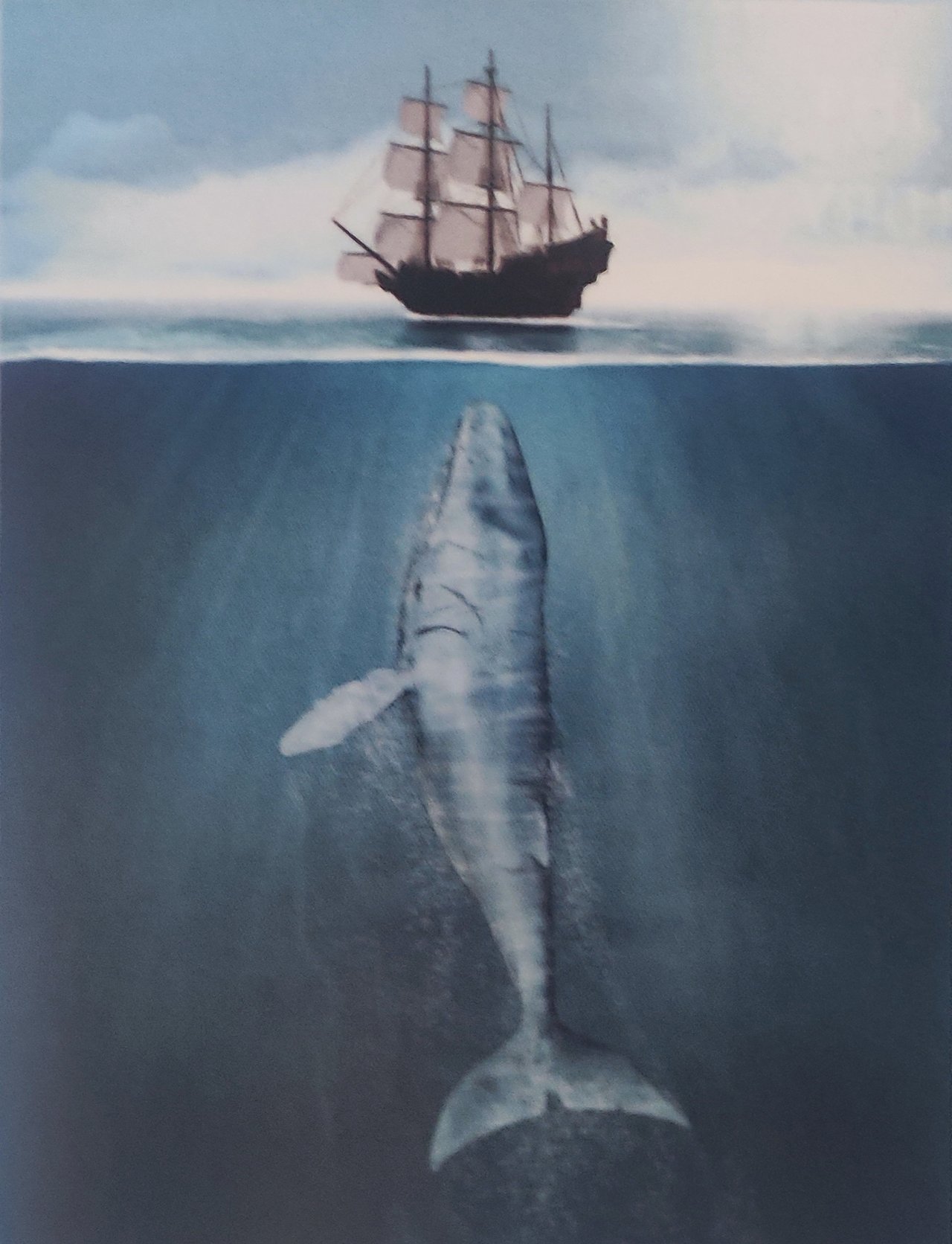
Prophet Yunus (A.S.) was saved because he always prayed, both before being swallowed and while inside the whale (21:87).
The Prophet (ﷺ) told us the story of the three men who got stuck in a cave after a rock slide. Eventually, they were able to break free after each of them mentioned one of their good deeds to Allah.
The Prophet (ﷺ) also said, 'Get to know Allah in good times, and He will take care of you in difficult times.'
PROPHET YUNUS
139And Yunus was surely one of the messengers. 140Remember when he escaped to the overloaded ship. 141Then 'to save it from sinking,' he entered into a draw 'with other passengers'. He lost 'and was thrown overboard'. 142Then the whale swallowed him while he was in the wrong. 143If he did not 'always' praise Allah, 144he would have certainly stayed in its belly until the Day everyone is raised from the dead. 145But We left him on the open shore, 'totally' exhausted, 146and caused a pumpkin plant to grow over him. 147We 'later' sent him 'back' to 'his city of' at least one hundred thousand people, 148who then believed 'in him', so We let them enjoy life for a while.
وَإِنَّ يُونُسَ لَمِنَ ٱلۡمُرۡسَلِينَ 139إِذۡ أَبَقَ إِلَى ٱلۡفُلۡكِ ٱلۡمَشۡحُونِ 140فَسَاهَمَ فَكَانَ مِنَ ٱلۡمُدۡحَضِينَ 141فَٱلۡتَقَمَهُ ٱلۡحُوتُ وَهُوَ مُلِيمٞ 142فَلَوۡلَآ أَنَّهُۥ كَانَ مِنَ ٱلۡمُسَبِّحِينَ 143لَلَبِثَ فِي بَطۡنِهِۦٓ إِلَىٰ يَوۡمِ يُبۡعَثُونَ 144فَنَبَذۡنَٰهُ بِٱلۡعَرَآءِ وَهُوَ سَقِيمٞ 145وَأَنۢبَتۡنَا عَلَيۡهِ شَجَرَةٗ مِّن يَقۡطِينٖ 146وَأَرۡسَلۡنَٰهُ إِلَىٰ مِاْئَةِ أَلۡفٍ أَوۡ يَزِيدُونَ 147فََٔامَنُواْ فَمَتَّعۡنَٰهُمۡ إِلَىٰ حِينٖ148
BACKGROUND STORY
Some idol-worshippers claimed that the angels were Allah's daughters through marriage with jinn!
In verses 151-154, Allah criticizes the idol-worshippers for saying that He has daughters, even though they themselves didn't like to have daughters.
In Islam, both males and females are equal before Allah.
QUESTIONS TO THE IDOL-WORSHIPPERS
149Ask them 'O Prophet' if your Lord has daughters, while the idol-worshippers 'prefer to' have sons. 150Or 'ask them' if We created the angels as females right in front of their eyes. 151Surely it is one of their 'horrible' lies to say, 152"Allah has children." They are simply lying. 153Has He chosen daughters over sons? 154What is wrong with you? How can you be so unfair? 155Will you not then come back to your senses? 156Or do you have 'any' clear proof? 157Then bring 'us' your holy book, if what you say is true! 158They have even claimed He is in a relationship with some jinn! Yet the jinn 'themselves' know well that such people will certainly be trapped 'in punishment'. 159Glory be to Allah high above what they claim! 160But it is going to be different for the chosen servants of Allah. 161Surely you 'deniers' and whatever 'idols' you worship 162can never mislead anyone' away from Him 163except those 'going' to burn in Hell.
فَٱسۡتَفۡتِهِمۡ أَلِرَبِّكَ ٱلۡبَنَاتُ وَلَهُمُ ٱلۡبَنُونَ 149أَمۡ خَلَقۡنَا ٱلۡمَلَٰٓئِكَةَ إِنَٰثٗا وَهُمۡ شَٰهِدُونَ 150أَلَآ إِنَّهُم مِّنۡ إِفۡكِهِمۡ لَيَقُولُونَ 151وَلَدَ ٱللَّهُ وَإِنَّهُمۡ لَكَٰذِبُونَ 152أَصۡطَفَى ٱلۡبَنَاتِ عَلَى ٱلۡبَنِينَ 153مَا لَكُمۡ كَيۡفَ تَحۡكُمُونَ 154أَفَلَا تَذَكَّرُونَ 155أَمۡ لَكُمۡ سُلۡطَٰنٞ مُّبِينٞ 156فَأۡتُواْ بِكِتَٰبِكُمۡ إِن كُنتُمۡ صَٰدِقِينَ 157وَجَعَلُواْ بَيۡنَهُۥ وَبَيۡنَ ٱلۡجِنَّةِ نَسَبٗاۚ وَلَقَدۡ عَلِمَتِ ٱلۡجِنَّةُ إِنَّهُمۡ لَمُحۡضَرُونَ 158سُبۡحَٰنَ ٱللَّهِ عَمَّا يَصِفُونَ 159إِلَّا عِبَادَ ٱللَّهِ ٱلۡمُخۡلَصِينَ 160فَإِنَّكُمۡ وَمَا تَعۡبُدُونَ 161مَآ أَنتُمۡ عَلَيۡهِ بِفَٰتِنِينَ 162إِلَّا مَنۡ هُوَ صَالِ ٱلۡجَحِيمِ163
THE ANGELS' RESPONSE
164'The angels replied,' "There is none of us without an assigned station 'of worship'. 165We are surely the ones lined up 'for Allah'. 166And we are certainly the ones 'always' praising Him."
وَمَا مِنَّآ إِلَّا لَهُۥ مَقَامٞ مَّعۡلُومٞ 164وَإِنَّا لَنَحۡنُ ٱلصَّآفُّونَ 165وَإِنَّا لَنَحۡنُ ٱلۡمُسَبِّحُونَ166
THE IDOL-WORSHIPPERS BEFORE THE QURAN
167Surely these 'idol-worshippers' used to say, 168"If only we had a Reminder like those of earlier peoples, 169we would have truly been Allah's faithful servants." 170But 'now' they reject it, so they will soon see.
وَإِن كَانُواْ لَيَقُولُونَ 167لَوۡ أَنَّ عِندَنَا ذِكۡرٗا مِّنَ ٱلۡأَوَّلِينَ 168لَكُنَّا عِبَادَ ٱللَّهِ ٱلۡمُخۡلَصِينَ 169فَكَفَرُواْ بِهِۦۖ فَسَوۡفَ يَعۡلَمُونَ170
SUPPORTING THE PROPHET
171Our Word has already been passed on to Our servants, the messengers, 172that they would surely be helped, 173and that Our forces would certainly win. 174So turn away from those 'deniers' for a while 'O Prophet'. 175You will see 'what will happen to' them, and they too will see! 176Do they 'really' want to speed up Our punishment? 177But if it falls upon them—how horrible will that morning be for those who had been warned! 178Again, turn away from them for a while. 179You will see, and they too will see! 180Glory be to your Lord—the Lord of Honour and Power—far above what they claim! 181Peace be upon the messengers. 182And praise be to Allah—Lord of the universe.
وَلَقَدۡ سَبَقَتۡ كَلِمَتُنَا لِعِبَادِنَا ٱلۡمُرۡسَلِينَ 171إِنَّهُمۡ لَهُمُ ٱلۡمَنصُورُونَ 172وَإِنَّ جُندَنَا لَهُمُ ٱلۡغَٰلِبُونَ 173فَتَوَلَّ عَنۡهُمۡ حَتَّىٰ حِينٖ 174وَأَبۡصِرۡهُمۡ فَسَوۡفَ يُبۡصِرُونَ 175أَفَبِعَذَابِنَا يَسۡتَعۡجِلُونَ 176فَإِذَا نَزَلَ بِسَاحَتِهِمۡ فَسَآءَ صَبَاحُ ٱلۡمُنذَرِينَ 177وَتَوَلَّ عَنۡهُمۡ حَتَّىٰ حِينٖ 178وَأَبۡصِرۡ فَسَوۡفَ يُبۡصِرُونَ 179سُبۡحَٰنَ رَبِّكَ رَبِّ ٱلۡعِزَّةِ عَمَّا يَصِفُونَ 180وَسَلَٰمٌ عَلَى ٱلۡمُرۡسَلِينَ 181وَٱلۡحَمۡدُ لِلَّهِ رَبِّ ٱلۡعَٰلَمِينَ182